
Persian food has a long history, and its flavors are like nothing else in the world. From slow-cooked stews rich with herbs and spices to fluffy saffron rice topped with golden crust, authentic Persian dinner recipes bring something truly special to the table.
Persian cuisine is built on balance — sweet and sour, soft and crispy, simple and layered all at once. Dinner in an Iranian home is never just a meal.
It is a moment for family to come together, share stories, and enjoy food made with care. Dishes are often cooked low and slow, giving the spices time to blend into deep, warm flavors.
Saffron is the star of many recipes, giving food a beautiful golden color and a light floral taste. Every plate is a reflection of Persian culture — generous, full of love, and made to share.
These authentic Persian dinner recipes will bring that same warmth right into your kitchen.
Understanding Persian Dinner Culture
Persian meals are much more than food on a plate. They carry culture, tradition, and a deep sense of togetherness. Here is what makes Persian dinner culture so meaningful:
1. Family-style meals are everything. In Iranian households, dinner is served all at once, with many dishes placed in the center of the table. Everyone shares from the same pots and bowls. No one eats alone — the table is a place for connection.
2. Rice is the heart of every Persian dinner. Chelow is plain, perfectly cooked white rice, often served alongside stews and kebabs. Polo is rice cooked with herbs, vegetables, or legumes mixed in. Both are made with great care, and the golden crust at the bottom — called tahdig — is the most loved part of the meal.
3. Spices, herbs, and textures are carefully balanced. Persian cooking layers flavors slowly. Turmeric, cinnamon, saffron, dried limes, and fenugreek are common. Fresh herbs like parsley, cilantro, and fenugreek leaves are used generously. Crunchy garnishes sit next to soft stews to create contrast in every bite.
4. Seasons shape what goes on the table. In spring, fresh herbs and green vegetables appear in almost every dish. Winter meals lean toward hearty stews and legumes. Persian cooks have always cooked with what the land offers, making the cuisine feel naturally fresh and grounded no matter the time of year.
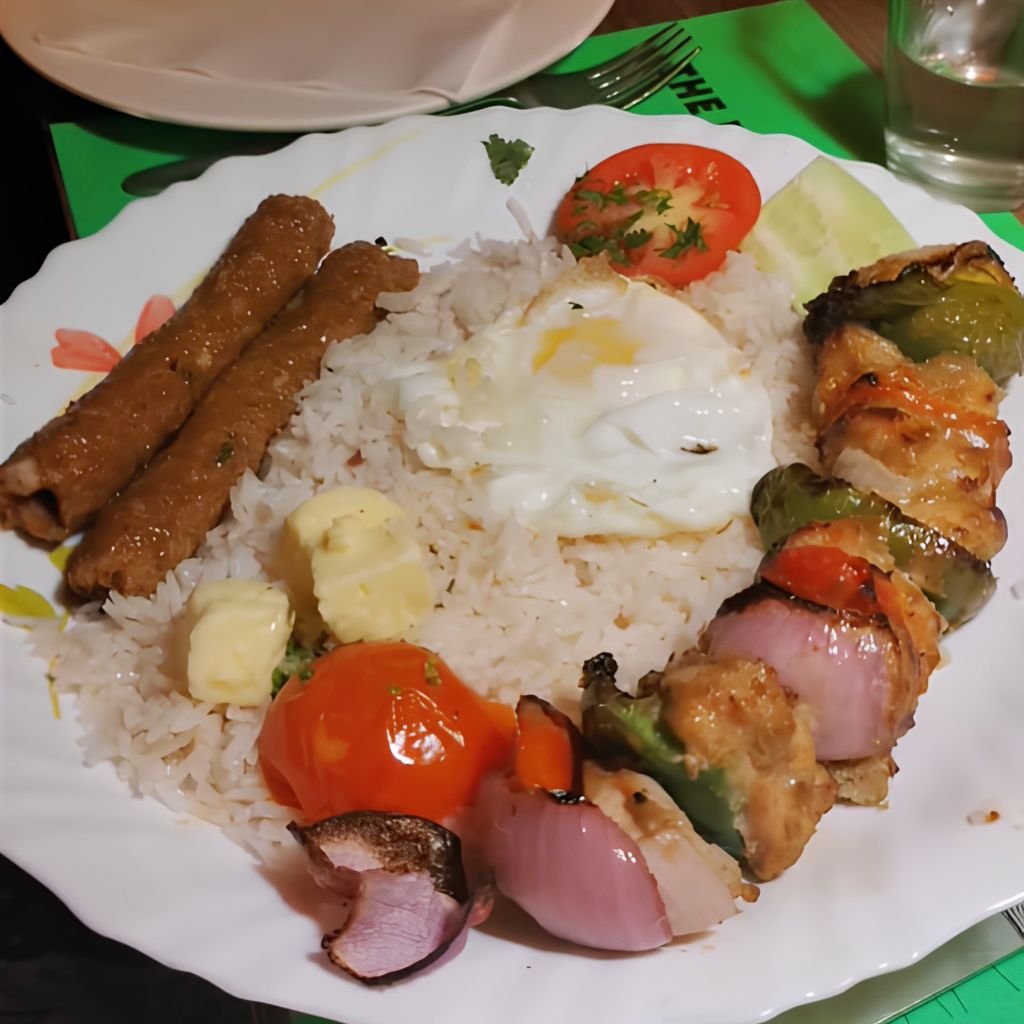
1. Chelo with Kabab
Prep Time: 20 minutes | Cook Time: 1 hour | Serves: 4
Fluffy white rice served next to smoky, juicy grilled kabab is one of the most classic combinations in Persian cooking. The rice gets a crispy golden crust on the bottom called tahdig, while the kabab is tender and full of flavor. A simple squeeze of lemon and a pat of butter bring everything together perfectly.
Ingredients:
- 2 cups basmati rice
- 1 teaspoon salt (for soaking)
- 3 tablespoons vegetable oil or butter
- A few strands of saffron, bloomed in 2 tablespoons hot water
- 500g (about 1 lb) ground beef or lamb (for koobideh kabab)
- 1 medium onion, grated
- 1 teaspoon salt
- ½ teaspoon black pepper
- ½ teaspoon turmeric
- Lemon wedges, for serving
- Butter, for serving
Instructions:
Start by washing the basmati rice under cold water until the water runs clear. Place it in a large bowl, cover with cold water, add one teaspoon of salt, and let it soak for at least 30 minutes. Soaking the rice helps the grains cook evenly and keeps them from breaking.
While the rice soaks, prepare the kabab mixture. In a large bowl, combine the ground meat with the grated onion. Squeeze out as much liquid from the onion as you can before adding it. Season with salt, black pepper, and turmeric. Mix the meat with your hands for several minutes until the mixture becomes smooth and slightly sticky. This step is important — the more you knead it, the better it holds to the skewer. Divide the meat into equal portions, roll each one into a long sausage shape, and press it firmly onto flat metal skewers. Set them aside to rest while you cook the rice.
Bring a large pot of water to a boil. Add plenty of salt — the water should taste like light sea water. Drain the soaked rice and pour it into the boiling water. Cook for about 6 to 8 minutes, stirring gently once or twice. The rice should be soft on the outside but still firm in the center, like al dente pasta. Drain the rice through a fine strainer and rinse it quickly with lukewarm water.
Return the pot to medium heat and add two tablespoons of oil or butter. Let it heat until it shimmers. Carefully place the drained rice back into the pot in a mound shape, making small holes in the rice with the handle of a spoon to let steam escape. Wrap the pot lid in a clean kitchen towel and cover tightly. Turn the heat down to low and cook for 35 to 40 minutes. The towel absorbs steam and helps the rice cook light and fluffy while the bottom forms a golden tahdig crust.
When the rice is nearly done, grill the kababs over hot charcoal or on a stovetop grill pan. Cook each side for about 4 to 5 minutes, turning only once, until the kabab is cooked through and has nice color on the outside. Do not press down on the meat while it cooks.
To serve, mix a small portion of the cooked rice with the bloomed saffron water and set it aside. Scoop the plain rice onto a large platter and place the saffron rice on top as a garnish. Flip the tahdig out carefully so it lands golden-side up. Serve the kababs on a separate plate with lemon wedges and a pat of fresh butter. Place the tahdig in the center of the table for everyone to break apart and enjoy.
2. Zereshk Polo (Barberry Rice)
Prep Time: 20 minutes | Cook Time: 50 minutes | Serves: 4
Tart, jewel-red barberries cooked with butter and a touch of saffron are layered into fluffy white rice to make this beautiful dish. Zereshk polo is often served at celebrations and family gatherings because it looks stunning and tastes deeply satisfying. The little bursts of sour flavor from the berries make every bite interesting.
Ingredients:
- 2 cups basmati rice
- 1 teaspoon salt (for soaking)
- ½ cup zereshk (dried barberries)
- 3 tablespoons butter
- 1 tablespoon sugar
- ¼ teaspoon saffron, bloomed in 3 tablespoons hot water
- 3 tablespoons vegetable oil
Instructions:
Rinse the basmati rice under cold running water several times until the water turns mostly clear. Transfer it to a bowl, cover with cold water, stir in one teaspoon of salt, and leave to soak for at least 30 minutes. This step softens the outer layer of each grain so it expands and becomes long and fluffy when cooked.
While the rice soaks, prepare the barberries. Pick through the zereshk carefully and remove any small stems. Rinse them gently in cold water, then drain. In a small saucepan over medium-low heat, melt two tablespoons of butter. Add the barberries and stir for about one minute — they soften very quickly and can burn easily, so keep the heat gentle. Stir in the sugar and half of the bloomed saffron water. Cook for another 30 seconds, then remove from heat and set aside.
Bring a large pot of well-salted water to a full boil. Drain the soaked rice and add it to the boiling water. Stir once, then cook uncovered for about 6 to 8 minutes, checking often. The grains should be soft on the outside but still have a tiny bit of resistance in the center. Drain through a strainer and rinse with lukewarm water.
Place the pot back on medium heat and add the oil. Swirl to coat the bottom. Spoon a thin layer of rice across the bottom of the pot to protect it and help form the tahdig. Add the remaining rice in layers, gently mounding it toward the center. Pour the rest of the saffron water and the remaining tablespoon of butter over the rice. Wrap the pot lid tightly in a kitchen towel and cover the pot. Cook on medium heat for 5 minutes, then lower the heat and continue cooking for another 35 minutes.
When ready to serve, take a few large spoonfuls of the cooked rice and mix it gently with the saffron-barberry mixture. Plate the plain white rice on a serving dish and top it with the golden, jewel-red saffron barberry rice. Lift out the tahdig carefully and serve it on the side.
3. Baghali Polo (Dill and Fava Bean Rice)
Prep Time: 20 minutes | Cook Time: 50 minutes | Serves: 4
Fresh dill and tender fava beans folded into perfectly steamed rice make this a dish that smells as good as it tastes. Baghali polo is commonly paired with lamb shank and served at Persian New Year (Nowruz), but it is wonderful any night of the week.
Ingredients:
- 2 cups basmati rice
- 1 teaspoon salt (for soaking)
- 1 cup fresh or frozen fava beans, peeled
- 1 cup fresh dill, roughly chopped (or ½ cup dried dill)
- 3 tablespoons butter
- 2 tablespoons vegetable oil
- ¼ teaspoon saffron, bloomed in 2 tablespoons hot water
Instructions:
Wash the rice well under cold water until the water runs clear. Soak it in cold, salted water for at least 30 minutes. If using fresh fava beans, blanch them in boiling water for 2 minutes, then drain and peel off the tough outer skin to reveal the bright green beans inside. Frozen beans can be used directly without blanching if they are pre-peeled.
Bring a large pot of heavily salted water to a boil. Drain the soaked rice and add it to the pot. Stir gently and cook for about 6 to 7 minutes until the grains are almost tender but not fully cooked. In the last minute of boiling, toss in the fava beans so they warm through. Drain the rice and beans together through a strainer and rinse with lukewarm water. Gently mix the chopped dill into the rice at this point.
Heat the oil in the pot over medium heat. Add a thin layer of rice to the bottom, or you can place a few slices of potato or a piece of flatbread to create a golden tahdig. Add the rest of the rice and herb mixture in a gently mounded shape. Drizzle the bloomed saffron water and butter over the top. Wrap the lid in a towel, cover tightly, and cook on medium for 5 minutes. Lower the heat and steam for 35 to 40 minutes.
Serve the rice on a platter, layering the green dill-and-fava rice with a scattering of saffron rice on top. The colors — bright green, white, and gold — make it a beautiful dish even before anyone takes a bite.
4. Sabzi Polo (Herbed Rice)
Prep Time: 20 minutes | Cook Time: 50 minutes | Serves: 4
Five herbs mixed into fluffy rice create a dish that is earthy, fragrant, and deeply satisfying. Sabzi polo is traditionally eaten on Persian New Year alongside smoked or fried fish, but it pairs wonderfully with chicken or lamb as well.
Ingredients:
- 2 cups basmati rice
- 1 teaspoon salt (for soaking)
- ½ cup fresh parsley, finely chopped
- ½ cup fresh cilantro, finely chopped
- ¼ cup fresh dill, chopped
- ¼ cup fresh chives or green onion tops, chopped
- 2 tablespoons dried fenugreek leaves
- 3 tablespoons butter
- 2 tablespoons oil
- ¼ teaspoon saffron, bloomed in 2 tablespoons hot water
Instructions:
Wash and soak the rice in cold salted water for 30 minutes. Combine all the chopped fresh herbs and dried fenugreek in a bowl and mix well. The combination of five herbs is what gives sabzi polo its signature deep green color and earthy flavor.
Bring a large pot of salted water to a boil. Add the drained rice and cook for 6 to 8 minutes, until the grains are about 80 percent cooked. Drain and rinse with lukewarm water. Mix the herb blend gently into the drained rice, tossing lightly to distribute the herbs without breaking the grains.
In the pot, heat the oil over medium. Line the bottom with a thin layer of rice or place a round piece of lavash bread to form the tahdig. Add the herb rice in a mound, poke a few steam holes with a spoon handle, and drizzle the saffron water and melted butter on top. Wrap the lid in a kitchen towel and cover. Steam on medium for 5 minutes, reduce to low, and cook for 35 more minutes.
Plate the rice on a large serving dish, placing the saffron-gold rice on top as a garnish. Flip the tahdig out and serve on the side. The contrast between the golden crust and the vibrant green herb rice makes this dish as beautiful to look at as it is to eat.
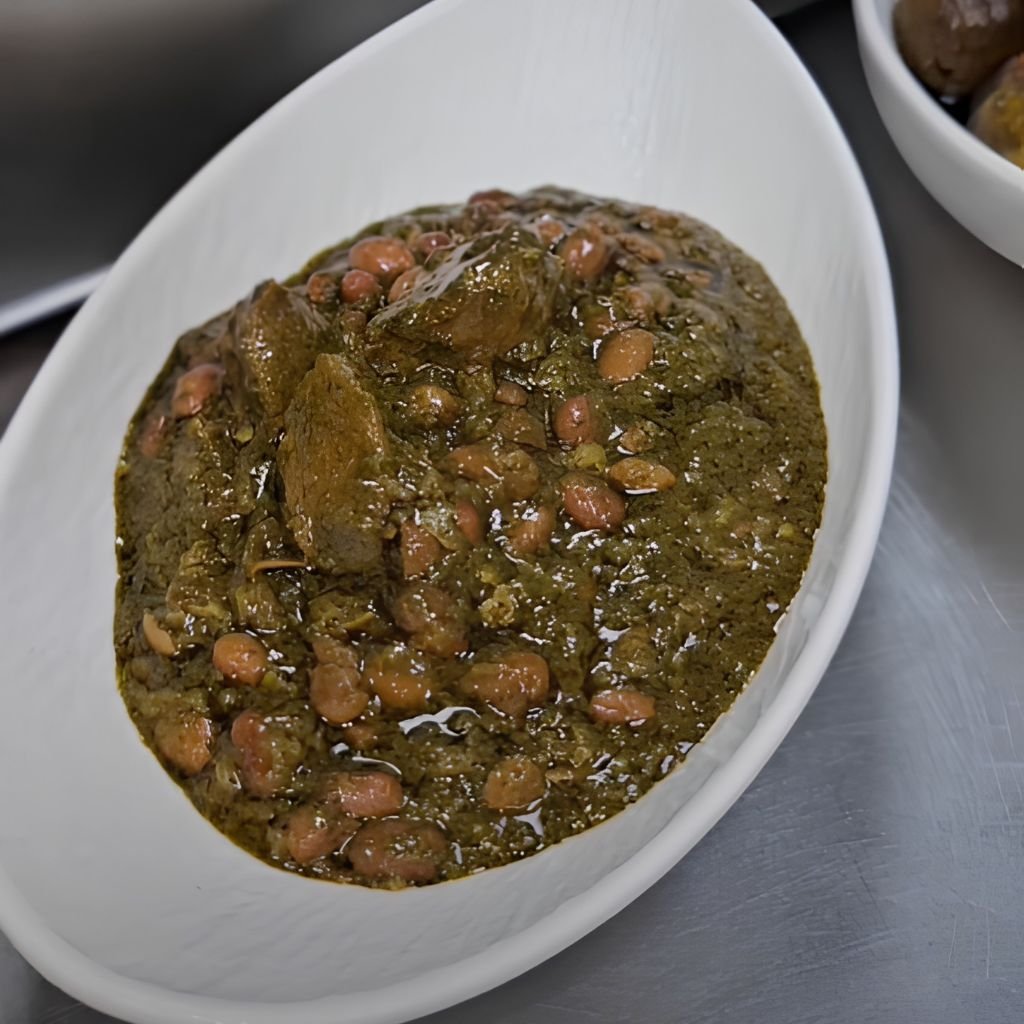
5. Ghormeh Sabzi (Herb Stew)
Prep Time: 30 minutes | Cook Time: 2 hours 30 minutes | Serves: 4–6
Known as the king of Persian stews, ghormeh sabzi is a deeply aromatic, dark green stew made with a mountain of sautéed herbs, tender lamb or beef, dried limes, and kidney beans. The long, slow cooking transforms everything into a dish that is rich, slightly sour, and absolutely unforgettable. Among all authentic Persian dinner recipes, this one holds the most special place in Iranian hearts.
Ingredients:
- 500g (1 lb) lamb or beef, cut into 1-inch cubes
- 1 large onion, finely chopped
- 1 cup fresh parsley, chopped
- 1 cup fresh cilantro, chopped
- ½ cup fresh fenugreek leaves (or 3 tablespoons dried)
- ½ cup fresh chives or leek, chopped
- 1 cup cooked or canned kidney beans
- 4 dried whole limes (limu omani), pierced with a knife
- ½ teaspoon turmeric
- ½ teaspoon black pepper
- 1 teaspoon salt (adjust to taste)
- 3 tablespoons vegetable oil
Instructions:
Begin by cooking the herbs, because this step is what gives ghormeh sabzi its deep, distinctive flavor. Heat two tablespoons of oil in a wide pan over medium heat. Add all the chopped herbs at once — parsley, cilantro, fenugreek, and chives. Stir constantly and cook the herbs for 20 to 25 minutes, stirring every few minutes. The herbs will first release a lot of moisture, then gradually darken and become fragrant. You want them to dry out and turn a very deep, almost dark green color. This slow frying is critical — it develops the flavor that makes the stew taste the way it should. Do not rush this step. Once done, set the herbs aside.
In a separate large heavy pot, heat the remaining oil over medium-high heat. Add the chopped onion and cook for 10 to 12 minutes, stirring often, until it turns golden and slightly caramelized. Add the turmeric and black pepper and stir for 30 seconds. Add the meat pieces and sear them on all sides until browned, about 6 to 8 minutes. Browning the meat locks in juices and adds another layer of flavor to the stew.
Add the fried herbs to the pot with the meat. Stir everything together. Add three cups of water and the pierced dried limes. Bring the pot to a boil, then reduce the heat to low. Cover and cook for 90 minutes, stirring occasionally and adding a splash of water if the stew thickens too much.
After 90 minutes, add the kidney beans and salt. Taste and adjust seasoning — ghormeh sabzi should have a bright, sour edge from the limes, balanced by the richness of the herbs and meat. Continue cooking on low heat for another 30 minutes until the meat is completely tender and the stew is thick and dark. Remove the dried limes before serving or leave them in for those who enjoy squeezing out the tart juice. Serve hot over chelow rice.
6. Fesenjan (Walnut & Pomegranate Stew)
Prep Time: 20 minutes | Cook Time: 1 hour 30 minutes | Serves: 4
Ground walnuts and pomegranate molasses come together to make one of the most unique stews in Persian cooking. Fesenjan is rich, slightly sweet, slightly sour, and has a deep, nutty sauce that coats tender chicken or meatballs beautifully. The dark, glossy color of the stew looks impressive and the flavor is unlike anything else.
Ingredients:
- 500g (1 lb) chicken thighs, bone-in or boneless
- 2 cups walnuts, finely ground in a food processor
- ½ cup pomegranate molasses
- 1 medium onion, finely chopped
- 1 tablespoon sugar (adjust to taste)
- ½ teaspoon turmeric
- ½ teaspoon cinnamon
- Salt and pepper to taste
- 2 tablespoons oil
- 1 ½ cups water or chicken stock
Instructions:
In a large heavy pot, heat the oil over medium heat. Add the onion and cook for 10 to 12 minutes, stirring often, until golden and soft. Add the turmeric and stir for 30 seconds. Add the chicken pieces and cook until lightly browned on all sides, about 5 to 6 minutes. Remove the chicken from the pot and set aside.
In the same pot, add the ground walnuts and stir them gently over low heat for 5 minutes. The walnuts will begin to release their natural oils and become fragrant. Be careful not to let them burn — keep the heat low and stir continuously. This step is important because it removes the raw taste from the walnuts and brings out their depth.
Add the water or chicken stock to the pot and stir to combine with the walnuts. Return the chicken to the pot. Stir in the pomegranate molasses, cinnamon, and a pinch of salt and pepper. Bring to a gentle boil, then reduce the heat to very low. Cover and cook for 45 minutes, stirring every 15 minutes to prevent the walnut mixture from sticking to the bottom.
After 45 minutes, taste the stew. Adjust the balance — add sugar if it is too sour, or a splash more pomegranate molasses if it needs more tartness. The sauce should be thick, dark, and smooth. Continue cooking for another 20 to 30 minutes until the oil from the walnuts rises to the surface and the sauce looks glossy. This is the sign that fesenjan is ready. Serve over plain chelow rice with a side of fresh herbs.
7. Gheimeh (Split Pea Stew)
Prep Time: 20 minutes | Cook Time: 1 hour 30 minutes | Serves: 4
Tender beef cooked with yellow split peas and dried limes, then topped with crispy fried potato strips — gheimeh is hearty, comforting, and full of warmth. The dried limes give the stew a gentle sourness that makes it taste bright even though it is a rich, meaty dish.
Ingredients:
- 400g (14 oz) beef or lamb, cut into small cubes
- ½ cup yellow split peas, rinsed
- 1 large onion, finely chopped
- 3 dried limes (limu omani), pierced
- 1 teaspoon turmeric
- ½ teaspoon cinnamon
- ½ teaspoon black pepper
- 1 tablespoon tomato paste
- Salt to taste
- 2 tablespoons oil
- 2 medium potatoes, cut into thin matchsticks
- Oil for frying potatoes
Instructions:
Heat two tablespoons of oil in a pot over medium heat. Add the chopped onion and cook for about 10 minutes until golden. Stir in the turmeric and cinnamon, then add the meat. Brown the meat pieces on all sides, about 6 to 8 minutes. Add the tomato paste and stir it into the meat for 2 minutes until the paste darkens slightly and becomes fragrant.
Add the rinsed split peas, the pierced dried limes, and enough water to cover everything by about 2 inches (roughly 3 cups). Stir well and bring to a boil. Skim off any foam that rises to the top. Once the stew is boiling, reduce the heat to low, cover the pot, and cook for one hour, stirring occasionally. The split peas should break down and become very soft, helping to thicken the stew naturally. Add more water if it becomes too thick during cooking.
While the stew simmers, prepare the potato garnish. Pat the matchstick potato pieces dry with a paper towel. Heat oil in a frying pan over medium-high heat and fry the potatoes in batches until golden and crispy. Drain on paper towels and season lightly with salt.
After one hour, taste the gheimeh and add salt as needed. The stew should be thick and fragrant, with the dried limes giving it a sour, citrusy undertone. Cook for another 15 minutes uncovered to reduce the sauce slightly. Serve over rice and pile the crispy potato strips generously on top. The crunchy potatoes on the saucy stew is one of the most satisfying combinations in authentic Persian dinner recipes.
8. Khoresh Bademjan (Eggplant Stew)
Prep Time: 25 minutes | Cook Time: 1 hour 30 minutes | Serves: 4
Silky fried eggplant cooked in a tomato-based stew with tender lamb and a hint of saffron — this dish is deeply savory with a slight sweetness from the eggplant. Khoresh bademjan is an everyday favorite in Iranian homes and gets even better the next day.
Ingredients:
- 400g (14 oz) lamb or beef, cubed
- 3 large eggplants
- 1 large onion, finely chopped
- 2 tablespoons tomato paste
- ½ cup crushed tomatoes or 2 medium tomatoes, grated
- ¼ teaspoon saffron, bloomed in 2 tablespoons hot water
- ½ teaspoon turmeric
- ½ teaspoon cinnamon
- Salt and pepper to taste
- 2 dried limes (optional)
- Oil for frying eggplant
- 2 tablespoons oil for the stew
Instructions:
Start by preparing the eggplant. Peel it and cut it into thick, lengthwise slices or large chunks. Place the pieces in a colander, sprinkle with salt, and leave for 20 minutes to draw out moisture and bitterness. Pat dry thoroughly with paper towels. Heat a generous amount of oil in a frying pan over medium-high heat and fry the eggplant slices in batches until golden brown on both sides. They absorb oil quickly, so do not crowd the pan. Remove and drain on paper towels. Set aside.
In a separate large pot, heat two tablespoons of oil over medium heat. Cook the chopped onion for 10 minutes until soft and golden. Add the turmeric, cinnamon, and black pepper, then add the meat. Brown the meat for 6 to 8 minutes. Stir in the tomato paste and cook for 2 more minutes. Add the crushed tomatoes and stir to combine. Pour in 2 cups of water and add the dried limes if using. Bring to a boil, then reduce the heat and simmer covered for 45 minutes.
Gently lay the fried eggplant slices over the top of the stew without stirring them in — this keeps them intact. Pour the bloomed saffron water over everything. Cover the pot again and cook on low heat for another 30 minutes. The eggplant will melt into the stew and the sauce will thicken beautifully. Taste and adjust salt. Serve carefully so the eggplant pieces stay whole, spooned gently over white chelow rice.
9. Koobideh Kebab
Prep Time: 20 minutes (plus 1 hour resting) | Cook Time: 15 minutes | Serves: 4
Ground lamb or beef mixed with grated onion and seasoned with turmeric and salt, then shaped onto flat skewers and grilled over hot coals. Koobideh is the most iconic Persian kebab — smoky, juicy, and endlessly satisfying. Served with saffron rice and grilled tomatoes, it is a complete meal in itself.
Ingredients:
- 500g (1 lb) ground lamb or beef (or a 50/50 mix)
- 1 medium onion, grated and squeezed dry
- 1 teaspoon salt
- ½ teaspoon turmeric
- ½ teaspoon black pepper
- Flat metal skewers (wide, at least 2 cm)
- Grilled tomatoes and butter for serving
Instructions:
Grate the onion on the fine side of a box grater. Place the grated onion in a clean kitchen towel or a few layers of paper towels and squeeze out as much liquid as you possibly can. The onion must be very dry — too much moisture will cause the meat to fall off the skewer when grilling. This is the most important preparation step for koobideh.
Combine the dry grated onion with the ground meat, salt, turmeric, and black pepper in a large bowl. Mix with your hands for at least 5 to 7 minutes, kneading the mixture firmly until it feels smooth, slightly sticky, and almost paste-like. This long mixing develops the proteins in the meat and helps the kebab hold its shape on the skewer. Cover the bowl with plastic wrap and refrigerate for at least one hour, or overnight if possible. The resting time also allows the flavors to develop.
When ready to cook, prepare your grill. Charcoal grilling gives the best smoky flavor, but a stovetop grill pan works well too. Bring the meat to room temperature 15 minutes before grilling.
Divide the meat into even portions — about 4 to 5 portions for this quantity. Take one portion and press it firmly onto a flat skewer. Use your fingers to press and flatten the meat into a long, even strip along the skewer. Pinch along the edges to seal the meat and make small indentations with your fingers across the top — these help it grip the skewer and cook more evenly. Repeat with the remaining portions.
Grill the koobideh on high heat for about 4 to 5 minutes on the first side, then turn once and cook for another 3 to 4 minutes on the second side. Do not turn more than once. The kebab should have nice color on the outside but still be juicy inside. While the kebabs cook, place halved tomatoes on the grill alongside them. Serve immediately over saffron rice with a knob of fresh butter and lemon wedges on the side.
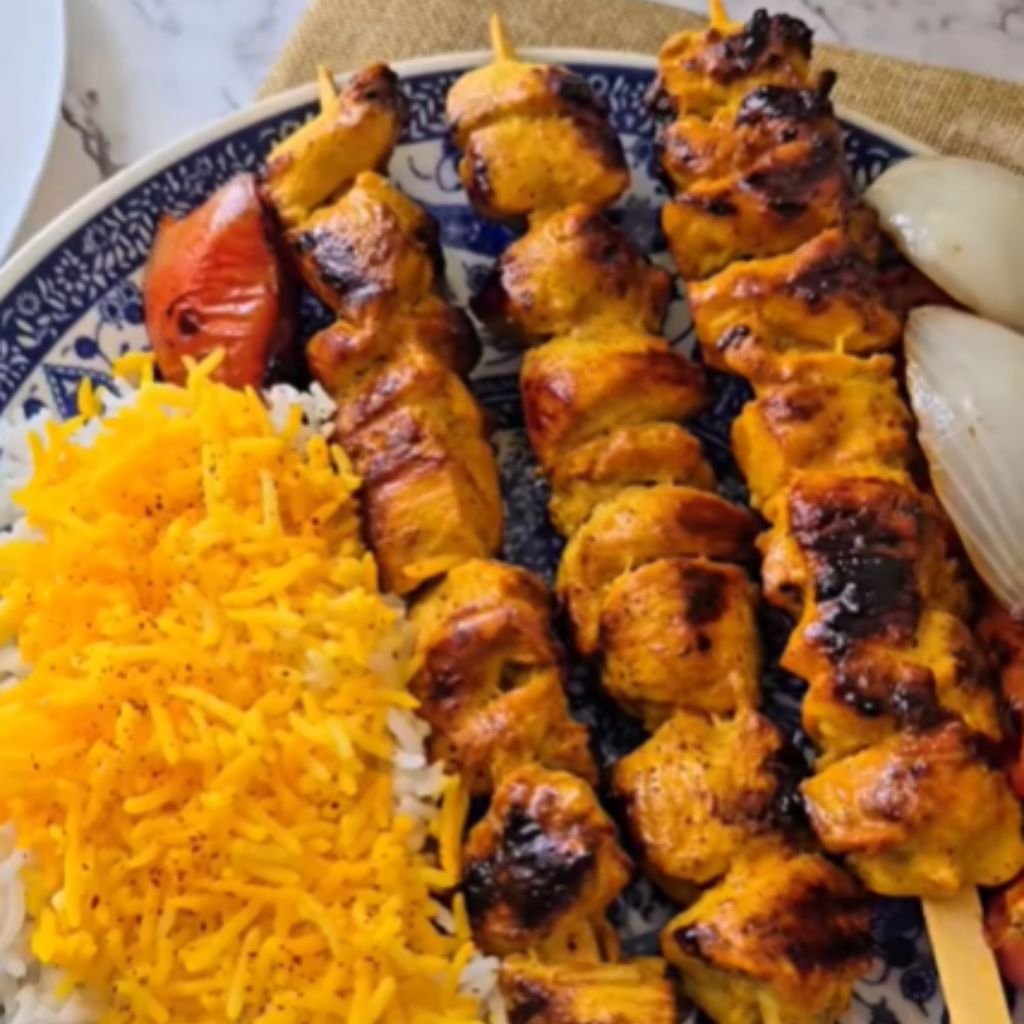
10. Joojeh Kebab (Saffron Chicken)
Prep Time: 20 minutes (plus 4–6 hours marinating) | Cook Time: 20 minutes | Serves: 4
Bright yellow from saffron and tender from a lemon and yogurt marinade, joojeh kebab is one of the most beloved grilled dishes in Iranian cooking. The chicken develops a beautiful color on the grill and the marinade keeps the meat incredibly moist.
Ingredients:
- 1 kg (2 lbs) chicken pieces (legs, thighs, or boneless breast cut into chunks)
- 1 cup plain yogurt
- 1 large onion, grated
- Juice of 1 large lemon
- ½ teaspoon saffron, bloomed in 3 tablespoons hot water
- 1 teaspoon salt
- ½ teaspoon black pepper
- 2 tablespoons butter, melted (for basting)
Instructions:
Bloom the saffron by placing the strands in a small glass and pouring very hot (not boiling) water over them. Let it steep for at least 10 minutes until the water turns deeply golden. The saffron must bloom properly to release its full color and flavor into the marinade.
In a large bowl, combine the yogurt, grated onion, lemon juice, bloomed saffron water, salt, and black pepper. Mix well. Add the chicken pieces and turn to coat them fully in the marinade. Cover and refrigerate for at least 4 hours, and ideally overnight. The yogurt tenderizes the meat, the lemon brightens it, and the saffron infuses everything with a beautiful golden hue and floral warmth.
When ready to cook, take the chicken out of the refrigerator 20 minutes before grilling so it comes to room temperature. Thread the chicken pieces onto skewers. If using breast pieces, cut them into similar-sized chunks so they cook evenly.
Heat the grill to medium-high. Cook the chicken skewers for about 8 to 10 minutes per side, basting with melted butter every few minutes. This basting step is what gives joojeh kebab its glossy, rich surface and extra flavor. The chicken is done when the juices run clear when the thickest piece is pierced. Avoid overcooking — the yogurt marinade helps keep it moist, but chicken breast especially can dry out quickly.
Serve the joojeh kebab immediately over saffron chelow rice with grilled tomatoes, lemon wedges, and fresh flatbread. A sprinkle of sumac over the chicken at the table adds a lovely final tang.
11. Barg Kebab
Prep Time: 20 minutes (plus overnight marinating) | Cook Time: 10 minutes | Serves: 4
Thin slices of tender beef fillet, marinated in saffron, onion, and olive oil, then grilled over high heat for just a few minutes — barg kebab is the most elegant kebab in Persian cuisine. The meat is buttery and delicate, making it a dish for special occasions.
Ingredients:
- 600g (1.3 lbs) beef tenderloin or fillet, sliced thinly (about 1 cm thick)
- 1 large onion, grated and squeezed
- ½ teaspoon saffron, bloomed in 3 tablespoons hot water
- 3 tablespoons olive oil
- Juice of ½ lemon
- 1 teaspoon salt
- ½ teaspoon black pepper
- Melted butter for basting
Instructions:
Gently pound the beef slices with a meat mallet to an even thin thickness. This tenderizes the meat and helps the marinade penetrate deeply. In a bowl, combine the grated onion, bloomed saffron water, olive oil, lemon juice, salt, and pepper. Add the beef slices, turning each one carefully to coat. Layer the marinated meat in a shallow dish, cover, and refrigerate overnight for the best result. The saffron gives the meat a gorgeous golden hue and floral aroma after marinating.
Thread the thin slices onto wide, flat skewers lengthwise, folding each slice back and forth like a ribbon to keep it flat. Heat the grill to very high heat — barg kebab must be grilled quickly over intense heat to stay tender and juicy. Cook for just 2 to 3 minutes per side. Baste with melted butter during grilling. Remove as soon as the meat is cooked through and still slightly pink inside.
Serve immediately — barg kebab waits for no one. Plate it over saffron rice with grilled tomatoes, fresh herbs, and lemon on the side. This is one of those authentic Persian dinner recipes that feels truly luxurious.
12. Shishlik (Lamb Ribs)
Prep Time: 20 minutes (plus overnight marinating) | Cook Time: 25 minutes | Serves: 4
Thick, marinated lamb rib chops grilled over charcoal until the fat renders and the meat becomes juicy and smoky — shishlik is a crowd-pleasing feast. The marinade is simple but the result is deeply flavorful.
Ingredients:
- 8 lamb rib chops
- 1 large onion, grated
- ½ teaspoon saffron, bloomed in 3 tablespoons hot water
- 3 tablespoons olive oil
- Juice of 1 lemon
- 1 teaspoon salt
- ½ teaspoon black pepper
- 1 teaspoon dried thyme or oregano
Instructions:
Place the lamb rib chops in a large container. Mix together the grated onion, saffron water, olive oil, lemon juice, salt, pepper, and dried herbs. Pour the marinade over the chops and turn to coat each one well. Cover and refrigerate overnight, or for a minimum of 6 hours. The longer the lamb marinates, the more flavor it develops, and the saffron will give the surface a stunning golden color before it even hits the grill.
Take the chops out of the refrigerator 30 minutes before grilling so they come to room temperature. This helps them cook evenly. Prepare a hot charcoal grill — shishlik is best over real charcoal because the fat from the ribs drips and creates fragrant smoke that flavors the meat as it cooks.
Place the rib chops on the hot grill. Cook for about 4 to 5 minutes per side for medium, or slightly longer for well done. Baste with any remaining marinade during grilling. The fat on the edges should char slightly, adding smokiness and texture. Let the ribs rest for 5 minutes after removing from the grill before serving — this allows the juices to redistribute through the meat.
Serve with chelow rice, grilled tomatoes, fresh herbs, and flatbread. A sprinkle of sumac over the chops at the table is a perfect finishing touch.
13. Zereshk Polo ba Morgh
Prep Time: 20 minutes | Cook Time: 1 hour | Serves: 4–6
Saffron-braised chicken served alongside barberry rice — this is one of the most classic and loved dishes in all of Persian cooking. The chicken becomes golden and tender in the saffron broth, and the tart barberries in the rice create the perfect contrast against the rich, savory meat.
Ingredients:
- 1 whole chicken, cut into pieces (or 6 bone-in thighs)
- 1 large onion, finely chopped
- ½ teaspoon saffron, bloomed in 4 tablespoons hot water
- ½ teaspoon turmeric
- ½ teaspoon cinnamon
- Salt and pepper to taste
- 2 tablespoons oil
- ½ cup zereshk (barberries)
- 1 tablespoon butter
- 1 teaspoon sugar
- 2 cups basmati rice (prepared as Zereshk Polo — see above)
Instructions:
Heat the oil in a wide, heavy-bottomed pot over medium heat. Add the onion and cook for 10 to 12 minutes until deeply golden. Add the turmeric and stir for 30 seconds. Season the chicken pieces with salt and pepper, then add them to the pot skin-side down. Sear the chicken on each side for about 4 to 5 minutes until the skin is golden. The browning creates flavor and helps the chicken hold together during braising.
Pour half the bloomed saffron water over the chicken. Add about ½ cup of water to the pot. Bring to a gentle boil, then reduce heat to low. Cover and braise the chicken for 35 to 40 minutes until it is cooked through and very tender. The saffron broth that develops in the pot is liquid gold — it will be used to flavor the rice.
While the chicken cooks, prepare the barberry topping. Rinse the zereshk and pick through for any stems. Melt the butter in a small pan over low heat, add the barberries, sugar, and the remaining saffron water. Stir gently for one minute. The barberries will plump slightly and take on the golden saffron color. Set aside.
Serve the chicken pieces on a bed of zereshk polo. Spoon the barberry and saffron mixture generously over the top. Drizzle a little of the saffron braising liquid from the chicken pot over the rice for extra depth of flavor. The colors — golden rice, red barberries, and glossy chicken — make this one of the most visually stunning authentic Persian dinner recipes on any table.
14. Chicken Tahchin
Prep Time: 30 minutes | Cook Time: 1 hour 30 minutes | Serves: 6
Tahchin is a magnificent upside-down rice cake filled with saffron-marinated chicken. When you flip the pot, a giant golden tahdig reveals itself with the rice and chicken perfectly molded together. It is impressive to serve and deeply satisfying to eat.
Ingredients:
- 2 cups basmati rice
- 500g (1 lb) chicken breast or thighs, cooked and shredded
- 1 ½ cups plain yogurt
- 2 egg yolks
- ½ teaspoon saffron, bloomed in 4 tablespoons hot water
- 1 teaspoon salt
- ½ teaspoon pepper
- 3 tablespoons butter or oil
Instructions:
Wash and soak the rice in cold salted water for 30 minutes. Cook the chicken (poach it gently in salted water with a pinch of turmeric for about 20 minutes) and shred it into medium pieces once it is cool enough to handle. Season the shredded chicken lightly with salt and pepper and set aside.
In a large bowl, whisk together the yogurt, egg yolks, half the bloomed saffron water, salt, and pepper. Mix well until smooth. Drain the soaked rice and add it to the yogurt mixture. Stir gently to coat all the rice grains. Let this sit for 10 minutes so the rice absorbs the flavors.
Heat the butter or oil in a large non-stick pot over medium heat. Spread a thick, even layer — about half the saffron-yogurt rice mixture — across the bottom and slightly up the sides of the pot. This forms the outer crust of the tahchin. Press it down firmly. Layer the shredded chicken evenly over the rice in the pot. Spoon the remaining rice mixture over the chicken, spreading it to the edges and pressing gently to seal everything inside.
Pour the remaining saffron water over the top. Wrap the lid in a kitchen towel and cover tightly. Cook on medium heat for 10 minutes, then reduce to the lowest heat possible and cook for 60 to 70 minutes. The bottom and sides should form a thick, golden, crusty layer.
When done, remove from heat and let it sit uncovered for 5 minutes. Place a large serving plate over the pot, hold firmly, and flip in one confident motion. The tahchin should unmold in a golden, perfectly formed cake. Slice it at the table like a pie. Serve with a side of mast-o-khiar and shirazi salad.
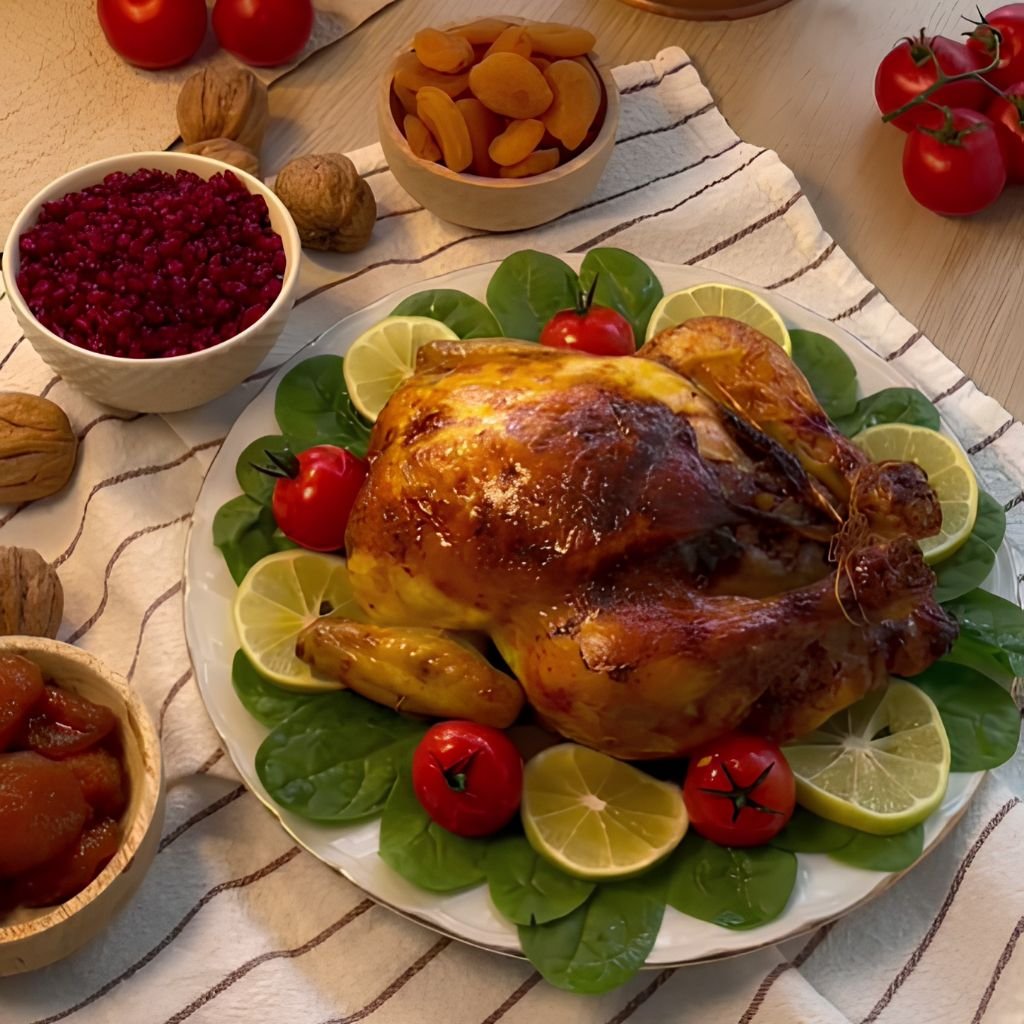
15. Persian Roast Chicken with Saffron
Prep Time: 20 minutes (plus marinating) | Cook Time: 1 hour 15 minutes | Serves: 4
A whole roasted chicken marinated in saffron, lemon, and garlic becomes crispy on the outside and tender and juicy within. The beautiful golden color from the saffron makes this chicken look as good as it tastes, and the marinade fills the whole kitchen with warmth as it roasts.
Ingredients:
- 1 whole chicken (about 1.5 kg / 3.3 lbs)
- ½ teaspoon saffron, bloomed in 4 tablespoons hot water
- Juice of 1 lemon
- 3 tablespoons olive oil
- 4 garlic cloves, minced
- 1 teaspoon salt
- ½ teaspoon black pepper
- ½ teaspoon turmeric
- 1 teaspoon dried thyme or rosemary
Instructions:
Combine the saffron water, lemon juice, olive oil, minced garlic, salt, pepper, turmeric, and dried herbs in a bowl. Mix well. Pat the whole chicken dry with paper towels. Rub the marinade all over the chicken — under the skin of the breast, inside the cavity, and all over the outside. Make small cuts in the thighs and legs to help the marinade penetrate the thickest parts. Wrap in plastic and refrigerate for at least 4 hours, preferably overnight. The longer it marinates, the more the saffron infuses the skin and meat.
Bring the chicken to room temperature 30 minutes before roasting. Preheat the oven to 200°C (400°F). Place the chicken breast-side up in a roasting pan. Pour any remaining marinade over it. Roast for 30 minutes, then reduce the heat to 180°C (350°F) and continue roasting for another 40 to 45 minutes.
Baste the chicken with the pan juices every 20 minutes. The chicken is done when the juices run clear when the thickest part of the thigh is pierced, and the skin is golden and crispy. Rest the chicken for 10 minutes before carving. Serve with chelow rice, fresh herbs, and a simple salad.
16. Kashk-e Bademjan
Prep Time: 20 minutes | Cook Time: 40 minutes | Serves: 4
Fried eggplant mashed and cooked with caramelized onions and walnuts, then topped with kashk (fermented whey) and golden mint oil — this rich, creamy appetizer or side dish is completely vegetarian and intensely flavorful. The kashk gives it a tangy creaminess that is unlike any other ingredient.
Ingredients:
- 3 large eggplants
- 1 large onion, thinly sliced
- 3 tablespoons kashk (available at Persian or Middle Eastern grocery stores)
- ½ cup walnuts, roughly chopped
- 3 garlic cloves, minced
- 1 teaspoon turmeric
- Salt and pepper to taste
- 3 tablespoons oil
- 2 tablespoons dried mint
- 1 tablespoon butter
Instructions:
Peel the eggplants and cut them into thick rounds. Salt them, leave for 20 minutes, then pat completely dry. Fry them in batches in hot oil until golden on both sides. Set aside on paper towels to drain. Once cool enough to handle, roughly mash the fried eggplant with a fork. It does not need to be perfectly smooth — some texture is nice.
In a large pan, heat two tablespoons of oil over medium heat. Add the sliced onion and cook slowly for 15 to 20 minutes, stirring often, until deeply golden and caramelized. Add the garlic and turmeric and stir for one minute. Add the mashed eggplant to the pan and stir to combine everything. Cook on low heat for 10 minutes, stirring often, until the mixture comes together and darkens slightly.
Stir in two tablespoons of kashk and mix well. Taste and adjust salt and pepper. Transfer to a serving plate. In a small pan, melt the butter over medium heat, add the dried mint, and stir for 30 seconds until fragrant — do not let it burn. Drizzle the mint butter over the top of the eggplant. Add the remaining tablespoon of kashk as a swirl on top and scatter the walnuts over everything. Serve warm with fresh flatbread.
17. Mirza Ghasemi
Prep Time: 15 minutes | Cook Time: 30 minutes | Serves: 4
Smoky grilled eggplant mixed with tomato, garlic, eggs, and turmeric — this northern Iranian dish is rustic, deeply savory, and full of smoky flavor from the charred eggplant skin. It can be served as a main dish or a hearty side.
Ingredients:
- 3 large eggplants
- 4 garlic cloves, minced
- 2 medium tomatoes, grated or finely chopped
- 3 eggs
- 1 teaspoon turmeric
- Salt and pepper to taste
- 3 tablespoons oil
Instructions:
Char the eggplants directly over an open flame on a gas burner or under a very hot grill, turning occasionally, until the skin is completely black and the eggplant collapses. This takes about 15 to 20 minutes and fills the kitchen with a smoky, wonderful smell. Once charred, place the eggplants in a colander and let them cool for 10 minutes. Peel away all the burnt skin under cold running water, then gently squeeze out excess moisture. Roughly chop the eggplant flesh.
Heat the oil in a wide pan over medium heat. Add the minced garlic and cook for one minute until fragrant — do not let it brown. Stir in the turmeric. Add the chopped tomatoes and cook for 5 minutes until they break down and become saucy. Add the eggplant and stir everything together. Season with salt and pepper. Cook for another 10 minutes on low heat, mashing the eggplant gently as it cooks.
Make three small wells in the eggplant mixture and crack one egg into each well. Cover the pan with a lid and cook for 5 to 7 minutes until the eggs are set but the yolks are still slightly soft, or cook fully if preferred. Serve straight from the pan with warm sangak or lavash bread for scooping.
18. Adas Polo (Lentil Rice)
Prep Time: 20 minutes | Cook Time: 1 hour | Serves: 4
Brown lentils, sweet caramelized onions, and plump raisins or dates layered into fragrant rice make adas polo a warming, naturally sweet, and satisfying dish. This is one of the most comforting and nourishing authentic Persian dinner recipes for a cooler evening.
Ingredients:
- 2 cups basmati rice
- 1 cup brown or green lentils
- 1 large onion, thinly sliced
- ½ cup raisins
- ½ cup dates, pitted and sliced (optional)
- 1 teaspoon cinnamon
- ½ teaspoon cumin
- ½ teaspoon turmeric
- Salt to taste
- 3 tablespoons oil or butter
Instructions:
Rinse the lentils and cook them in a pot of unsalted water for about 20 minutes until just tender but not mushy. Drain and set aside. Soak the basmati rice in cold salted water for 30 minutes, then drain.
While the lentils cook, caramelize the onions. Heat two tablespoons of oil in a pan over medium-low heat. Add the thinly sliced onions with a pinch of salt and cook slowly, stirring every few minutes, for 25 to 30 minutes until they are deeply golden brown and sweet. Add the raisins, dates if using, cinnamon, and cumin during the last five minutes and stir to warm everything through.
Bring a large pot of salted water to a boil. Add the soaked, drained rice and cook for 6 minutes. Add the lentils in the last two minutes of boiling. Drain together and rinse with lukewarm water.
Heat the remaining oil in the pot over medium heat. Lay a thin layer of rice across the bottom to start the tahdig. Spoon the rice-lentil mixture into the pot in layers, alternating with the caramelized onion mixture. Wrap the lid and steam on low heat for 35 to 40 minutes. Serve warm with plain yogurt or mast-o-khiar.
19. Ash Reshteh
Prep Time: 30 minutes | Cook Time: 1 hour 30 minutes | Serves: 6–8
Ash reshteh is a thick, hearty soup filled with herbs, legumes, and Persian noodles, topped with kashk, caramelized onions, and fried mint. It is eaten on special occasions and during Persian New Year, but it is nourishing enough to be a full meal any night of the year.
Ingredients:
- 1 cup cooked chickpeas
- 1 cup cooked kidney beans
- ½ cup green or brown lentils
- 200g (7 oz) Persian reshteh noodles (or flat pasta)
- 2 cups fresh spinach, roughly chopped
- 1 cup fresh parsley, chopped
- 1 cup fresh cilantro, chopped
- ½ cup fresh chives or green onion, chopped
- 2 large onions, thinly sliced
- 5 garlic cloves, minced
- 1 teaspoon turmeric
- ½ teaspoon black pepper
- Salt to taste
- 4 tablespoons kashk
- 3 tablespoons oil
- 2 tablespoons dried mint
Instructions:
In a large pot, heat two tablespoons of oil over medium heat. Add one sliced onion and cook for 10 to 12 minutes until golden. Add the garlic and turmeric and stir for one minute. Add the lentils and 8 cups of water. Bring to a boil, then reduce to a simmer and cook for 20 minutes.
Add the chickpeas, kidney beans, and all the fresh chopped herbs. Stir well and continue cooking for another 20 minutes. The soup should become thick and fragrant as the herbs release their flavors. Add the noodles and cook according to the package directions, usually about 8 to 10 minutes, stirring often to prevent sticking. The noodles will thicken the soup further as they cook.
Stir in two tablespoons of kashk and season with salt and pepper. Taste — the soup should be thick, herby, and rich.
While the soup finishes cooking, caramelize the second onion in the remaining oil until deeply golden and crispy. In the last minute of cooking, add the dried mint to the onion pan and stir for 30 seconds until fragrant.
Ladle the ash reshteh into deep bowls. Top each serving with a swirl of kashk, a spoonful of the crispy caramelized onion, and a drizzle of the fried mint oil. Serve with fresh bread for dipping.
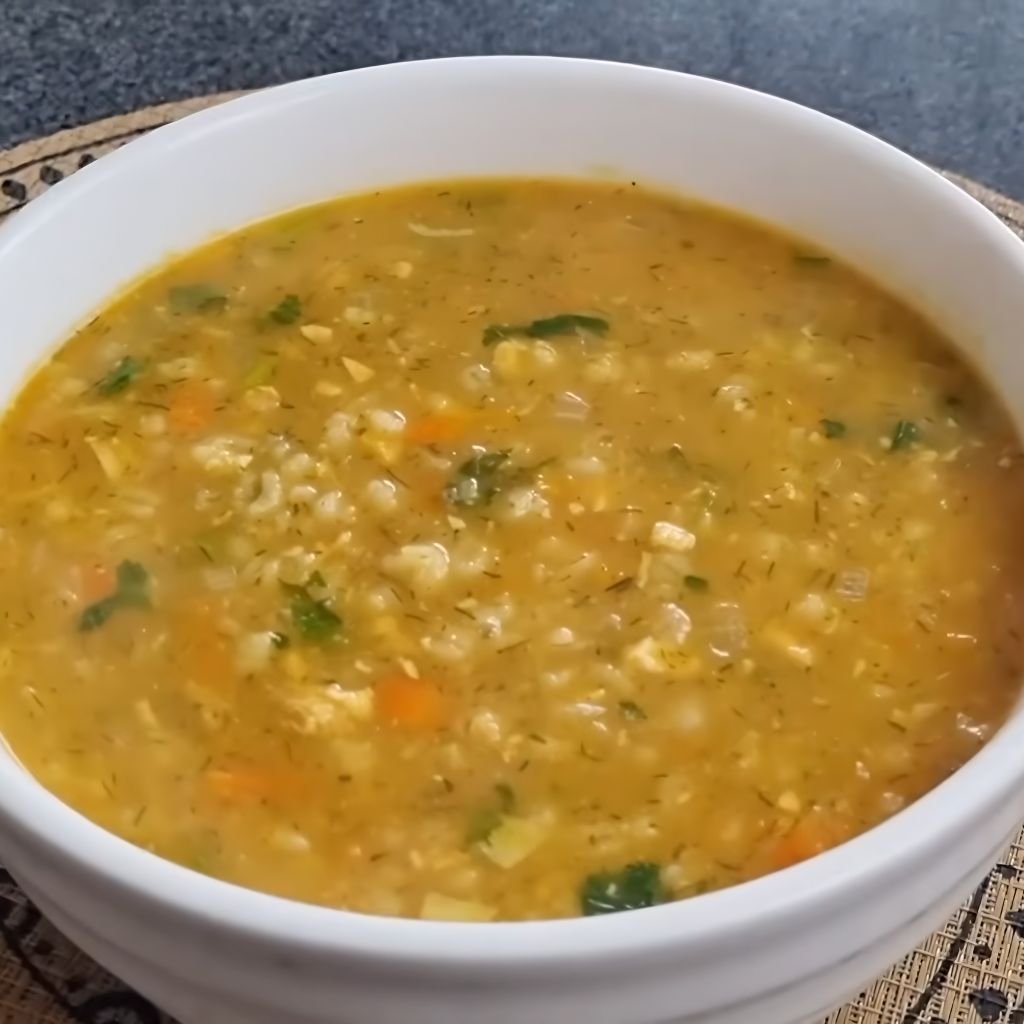
20. Persian Barley Soup
Prep Time: 15 minutes | Cook Time: 1 hour 30 minutes | Serves: 6
Hearty, warming, and very simple — Persian barley soup is made with pearl barley, root vegetables, and gentle spices. It is a lighter dinner option that is still deeply satisfying, perfect for cold weather.
Ingredients:
- 1 cup pearl barley, rinsed
- 2 medium carrots, peeled and diced
- 2 celery stalks, sliced
- 1 large onion, diced
- 3 garlic cloves, minced
- 1 teaspoon turmeric
- ½ teaspoon black pepper
- 1 teaspoon dried mint
- Salt to taste
- 2 tablespoons oil
- 6 cups water or vegetable broth
- Juice of ½ lemon (to finish)
Instructions:
Heat the oil in a large pot over medium heat. Add the diced onion and cook for 8 minutes until soft and translucent. Add the garlic, turmeric, and black pepper and stir for one minute. Add the carrots and celery and stir to coat in the spices.
Add the rinsed barley and pour in the water or broth. Bring to a boil, skimming off any foam. Reduce the heat to low, cover, and cook for about 60 to 70 minutes until the barley is fully cooked and the soup has thickened naturally. The barley releases starch as it cooks, giving the soup its naturally thick, satisfying body.
Season with salt and dried mint. Taste and adjust. Finish with a squeeze of lemon juice just before serving to brighten all the flavors. Ladle into bowls and serve with warm sangak or lavash bread.
21. Mast-o-Khiar (Yogurt & Cucumber)
Prep Time: 15 minutes | Cook Time: None | Serves: 4–6
Cool, creamy yogurt mixed with fresh cucumber, dried mint, and sometimes golden raisins and walnuts — mast-o-khiar is the most refreshing side dish in Persian cuisine. It pairs with almost every main dish and cools down rich stews or spiced meats beautifully.
Ingredients:
- 2 cups plain full-fat yogurt
- 1 large cucumber, grated or finely diced
- 2 tablespoons dried mint
- 1 small garlic clove, grated (optional)
- ¼ cup golden raisins (optional)
- ¼ cup walnuts, roughly chopped (optional)
- Salt to taste
- A few fresh mint leaves for garnish
Instructions:
Grate the cucumber on the coarse side of a box grater. Place the grated cucumber in a clean towel and squeeze firmly to remove excess water. This step is important — too much water will make the yogurt mixture runny.
In a large bowl, combine the yogurt with the squeezed cucumber, dried mint, salt, and garlic if using. Stir in the raisins and walnuts for a slightly sweeter, more textured version.
Mix well and taste for salt. Transfer to a serving bowl, garnish with a few fresh mint leaves and a dusting of dried mint on top. Refrigerate until ready to serve. It keeps well for up to two days.
22. Shirazi Salad
Prep Time: 15 minutes | Cook Time: None | Serves: 4
Finely diced cucumber, tomato, and onion dressed with lemon juice, dried mint, and olive oil — shirazi salad is light, fresh, and vibrantly colored. It is one of the most common side dishes at a Persian dinner table and provides a bright contrast to the rich stews and rice dishes.
Ingredients:
- 2 medium cucumbers, finely diced
- 3 medium tomatoes, finely diced
- 1 small red onion, finely diced
- Juice of 1 lemon
- 2 tablespoons olive oil
- 1 teaspoon dried mint
- Salt and pepper to taste
- Fresh mint leaves for garnish (optional)
Instructions:
Dice all the vegetables into very small, even pieces — the fine dice is what makes shirazi salad distinctive from a regular chopped salad.
All pieces should be about the same small size so each spoonful has a balanced mix of everything. Place the diced cucumber, tomato, and onion in a bowl. Dress with lemon juice, olive oil, dried mint, salt, and pepper.
Toss gently. Taste and adjust the lemon or salt. Let it sit for 5 to 10 minutes before serving so the flavors meld. Garnish with fresh mint if available. Serve cold alongside any main Persian dish.
23. Sangak or Lavash Bread
Prep Time: 10 minutes (for lavash) | Cook Time: 10–15 minutes | Serves: 4–6
Fresh flatbread is an essential part of any Persian dinner table. Lavash is thin, soft, and versatile — used to scoop stews, wrap around kebabs, or simply eaten warm with butter and herbs. Sangak is a thicker, chewy sourdough bread traditionally baked on hot stones. A homemade version of lavash is simple and worth making at home.
Ingredients (Lavash):
- 2 cups all-purpose flour
- ½ teaspoon salt
- ½ teaspoon sugar
- 1 teaspoon instant yeast
- ¾ cup warm water
- 1 tablespoon oil
- Sesame seeds for topping (optional)
Instructions:
Mix the flour, salt, sugar, and yeast in a large bowl. Add the warm water and oil. Mix until a rough dough forms, then knead on a lightly floured surface for about 8 minutes until smooth and slightly elastic.
The dough should be soft but not sticky — add flour one teaspoon at a time if it is too wet. Place the dough in a lightly oiled bowl, cover with a clean towel, and rest for 30 minutes at room temperature until it puffs slightly.
Divide the dough into 6 equal balls. On a well-floured surface, roll each ball as thin as you can — almost translucent. Lavash is meant to be very thin. Heat a cast-iron pan or a heavy skillet over high heat. Do not add oil. Place one piece of rolled dough directly onto the hot dry pan.
Cook for about 1 to 2 minutes until bubbles form across the surface and the underside has light char marks. Flip and cook for another 1 to 2 minutes.
The bread should be light, slightly charred in spots, and flexible. Wrap the cooked lavash in a clean towel to keep it soft until serving. Sprinkle sesame seeds on before cooking if desired.
Serving and Presentation Ideas
1. Lay out the sofreh. In Iranian tradition, meals are served on a large cloth called the sofreh spread across the floor or a low table. All dishes are placed together at once in the center — no separate courses — and everyone eats family-style, passing and sharing freely.
2. Garnish with intention. Scatter a small amount of saffron-tinted rice on top of polo dishes for a golden, elegant look. Place barberries in small clusters, drizzle kashk in a swirl, and finish kebabs with a light dusting of sumac. Fresh herbs and thin lemon slices add color and freshness to any plate.
3. Build a balanced spread. A well-rounded Persian dinner includes one or two rice dishes, at least one stew (khoresh), a kebab or protein dish, a yogurt side, a fresh salad, and a basket of warm bread. The variety of flavors, temperatures, and textures is what makes the meal feel complete. Pair heavier stews with lighter salads, and serve grilled meats with cooling yogurt dips on the side.
Conclusion
Persian cuisine is one of the most layered, flavorful, and culturally rich food traditions in the world. Every dish in this collection carries centuries of history, from the slow-simmered stews that perfume the whole house to the perfectly crusted rice that generations of home cooks have spent a lifetime perfecting. Authentic Persian dinner recipes are built on patience, balance, and generosity — qualities that come through in every bite.
Cooking these dishes at home is a wonderful way to connect with a culture that puts food at the center of life. Start with something simple like shirazi salad, mast-o-khiar, or a pot of chelow. Then work your way toward a big pot of ghormeh sabzi or a beautiful tahchin that you flip dramatically onto the table. None of these recipes require special skills — only time, care, and a willingness to enjoy the process. The more you cook Persian food, the more natural it becomes.
Food is one of the most powerful ways to experience a culture that may feel far away. These authentic Persian dinner recipes bring Persian warmth, generosity, and artistry into any kitchen. Set your table, gather the people you love, and enjoy the kind of dinner that turns an ordinary evening into something truly memorable.