
Greek food is one of the most loved cuisines in the world — and for good reason. It is fresh, flavorful, and deeply rooted in tradition.
Authentic greek dinner recipes bring together simple ingredients like olive oil, lemon, garlic, and fresh herbs to create meals that feel both nourishing and satisfying.
Greek cuisine is built around seasonal produce, quality meats, and the kind of slow cooking that fills your home with the best aromas.
In Greece, food is more than just eating. It is about sitting together at a long table, sharing plates, telling stories, and making memories. Every meal is a reason to gather.
Greek cooks have always known that the best meals start with what is fresh and local — ripe tomatoes in summer, tender lamb in spring, and hearty legumes in winter.
Once you start cooking these authentic greek dinner recipes, you will see how easy it is to bring that same spirit to your own kitchen.
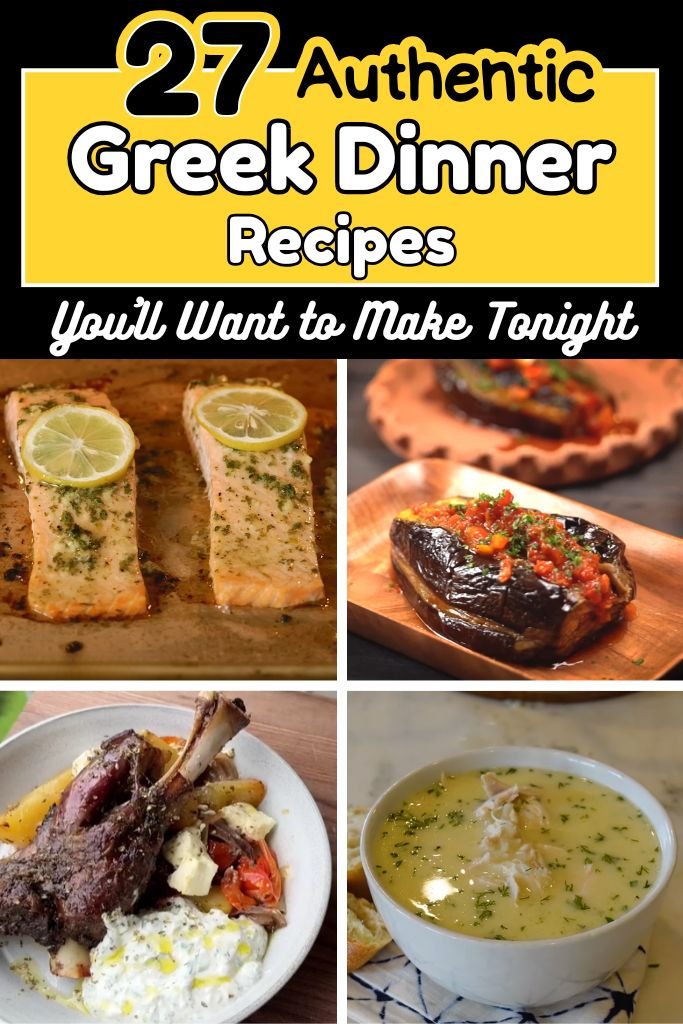
What Makes Greek Dinner Recipes Authentic?
Knowing what goes into authentic greek dinner recipes helps you cook them the right way. Here is what sets Greek cooking apart:
1. Olive oil is everything. Greek cooking almost always starts with a generous pour of extra virgin olive oil. It is used for sautéing, roasting, dressing salads, and finishing dishes. Real Greek food never skips it.
2. Fresh herbs do the heavy lifting. Oregano, thyme, rosemary, mint, dill, and parsley show up in almost every recipe. Dried herbs work fine, but fresh ones bring a brightness that is hard to beat.
3. Simple cooking methods, big flavor. Greek cuisine does not rely on complicated techniques. Grilling over charcoal, slow-roasting in the oven, and simmering in a clay pot are the most common methods — and they all produce deeply flavorful results.
4. Regional recipes vary by location. Mainland Greece leans toward hearty meat dishes and stews. The islands — especially the Aegean — offer more seafood-forward cooking, with fish grilled simply and served with lemon. Each region brings its own character to the table.
5. Lemon and acid balance every dish. Greek cooks use lemon juice the way others use salt — as a finisher that brightens every bite. Avgolemono (egg-lemon sauce) is a perfect example of this philosophy.
6. Slow cooking is respected. Dishes like Kleftiko and Stifado are cooked low and slow for hours. This patience is part of what makes Greek food taste so rich and developed.
7. Seasonal and local ingredients always come first. A good Greek cook shops for what looks best that day. The menu follows the market, not the other way around.
1. Moussaka (Eggplant & Meat Casserole)
Prep Time: 40 minutes | Cook Time: 1 hour 15 minutes | Serves: 6–8
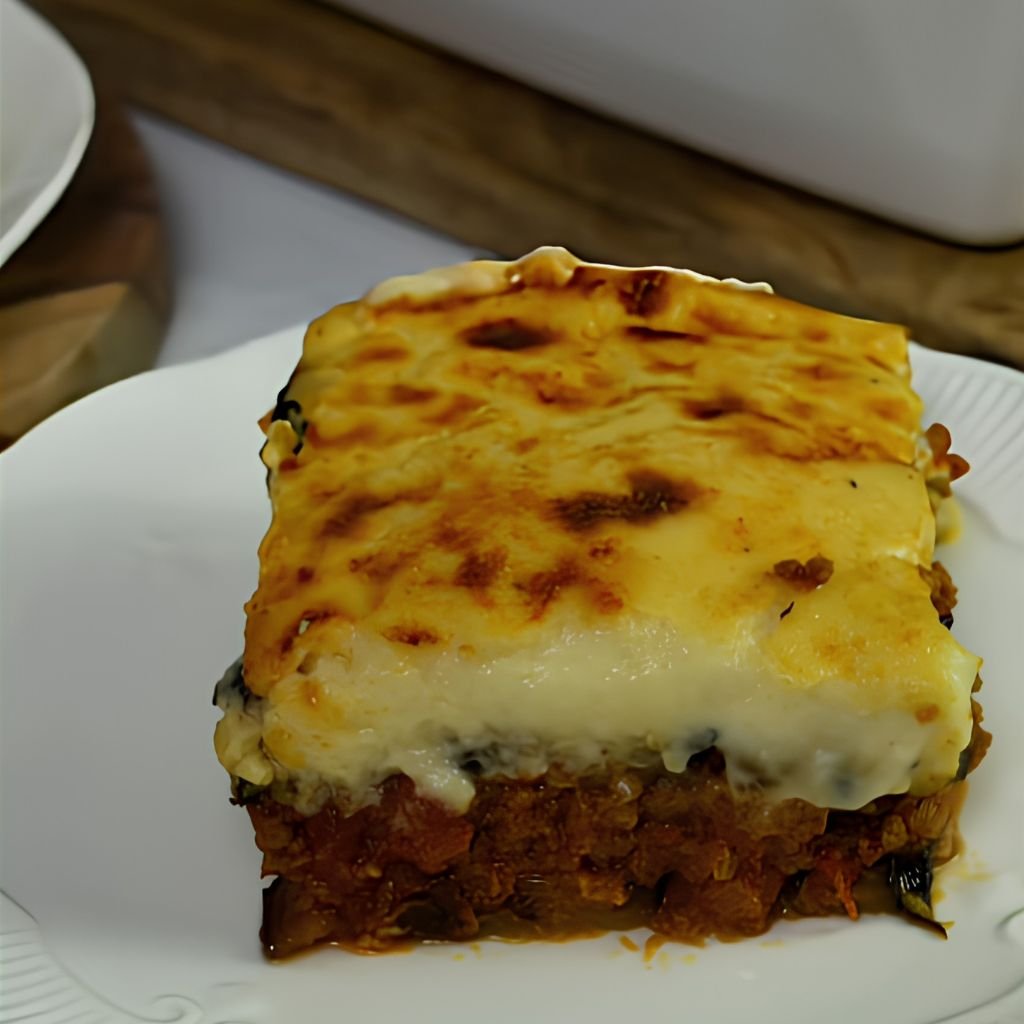
Moussaka is the crown jewel of authentic greek dinner recipes. Layers of roasted eggplant, spiced ground meat, and creamy béchamel sauce come together in one deeply satisfying baked casserole. The smell alone while it bakes is worth every minute of prep time.
Ingredients
For the eggplant layer:
- 3 large eggplants, sliced into ½-inch rounds
- 3 tablespoons olive oil
- 1 teaspoon salt
For the meat sauce:
- 500g (1.1 lb) ground beef or lamb
- 1 large onion, finely chopped
- 4 garlic cloves, minced
- 1 can (400g) crushed tomatoes
- 2 tablespoons tomato paste
- ½ cup red wine
- 1 teaspoon ground cinnamon
- ½ teaspoon ground allspice
- 1 teaspoon dried oregano
- Salt and pepper to taste
- 2 tablespoons olive oil
For the béchamel sauce:
- 4 tablespoons unsalted butter
- 4 tablespoons all-purpose flour
- 2 cups whole milk (warm)
- 2 egg yolks
- ½ cup grated kefalotyri or Parmesan cheese
- Pinch of nutmeg
- Salt and white pepper to taste
Instructions
Start by preparing the eggplant. Slice each eggplant into rounds about half an inch thick. Lay them out on a clean kitchen towel or paper towels. Sprinkle each slice with a generous pinch of salt and let them rest for at least 20 minutes. This step pulls out excess moisture and bitterness. After 20 minutes, pat the slices dry with a clean cloth or fresh paper towels.
Preheat your oven to 200°C (390°F). Brush each eggplant slice lightly on both sides with olive oil. Spread them in a single layer across two large baking sheets — do not overlap them or they will steam instead of roast. Place both trays in the oven and roast for 20 to 25 minutes, flipping the slices once halfway through. You want them golden and soft but not falling apart. Once done, set them aside and reduce the oven temperature to 180°C (350°F).
While the eggplant roasts, make the meat sauce. Heat 2 tablespoons of olive oil in a large, heavy-bottomed skillet over medium-high heat. Add the chopped onion and cook for about 5 minutes until soft and translucent. Add the minced garlic and stir for 1 minute more. Add the ground meat to the pan and break it up well with a wooden spoon. Cook until the meat is fully browned, about 8 to 10 minutes. Drain off any excess fat from the pan.
Pour in the red wine and stir well, scraping up any browned bits from the bottom of the pan. Let it cook for 2 minutes until the wine reduces slightly. Add the crushed tomatoes, tomato paste, cinnamon, allspice, and oregano. Stir everything together well. Bring the sauce to a gentle simmer, then reduce the heat to low. Let it cook uncovered for 20 to 25 minutes, stirring occasionally, until the sauce thickens and most of the liquid has cooked off. Season with salt and pepper. Set aside.
Now make the béchamel. In a medium saucepan, melt the butter over medium heat. Once melted, add the flour all at once and whisk immediately. Cook this mixture, whisking constantly, for about 2 minutes — this cooks out the raw flour taste. Begin adding the warm milk slowly, about a quarter cup at a time, whisking constantly after each addition. This is the key to a smooth, lump-free sauce. Once all the milk is added, continue to cook the sauce on medium-low heat, stirring often, until it thickens enough to coat the back of a spoon — about 8 to 10 minutes. Remove from heat. Let it cool for 2 minutes, then whisk in the egg yolks one at a time quickly. Add most of the cheese (saving a small amount for the top), the nutmeg, salt, and white pepper. Mix until smooth.
To assemble the moussaka, use a large deep baking dish (about 9×13 inches or similar). Arrange half the roasted eggplant slices in a single layer on the bottom of the dish. Spread all the meat sauce evenly over the eggplant layer. Lay the remaining eggplant slices on top of the meat. Pour all the béchamel sauce over the top, spreading it smoothly with a spatula. Sprinkle the reserved cheese over the béchamel.
Place the dish in the preheated oven at 180°C (350°F) and bake for 45 minutes, until the top is golden brown and the moussaka is bubbling gently at the edges. Remove from the oven and — this is important — let it rest for at least 20 to 30 minutes before slicing. This resting time allows the layers to set so you can cut clean slices. Serve warm with a simple green salad on the side.
2. Pastitsio (Greek Lasagna)
Prep Time: 35 minutes | Cook Time: 1 hour | Serves: 8
Pastitsio is the Greek answer to lasagna — but baked with thick tubular pasta, warmly spiced meat sauce, and a generous blanket of creamy béchamel. A beloved centerpiece at Sunday family dinners, this dish earns its place in any collection of authentic greek dinner recipes.
Ingredients
For the pasta layer:
- 500g (1.1 lb) penne or bucatini pasta
- 2 eggs, beaten
- ½ cup grated kefalotyri or Parmesan cheese
- Salt for pasta water
For the meat sauce:
- 500g (1.1 lb) ground beef
- 1 large onion, finely diced
- 3 garlic cloves, minced
- 1 can (400g) diced tomatoes
- 2 tablespoons tomato paste
- ½ cup dry red wine
- 1 teaspoon ground cinnamon
- ¼ teaspoon ground nutmeg
- 1 teaspoon dried oregano
- 2 tablespoons olive oil
- Salt and pepper to taste
For the béchamel:
- 5 tablespoons butter
- 5 tablespoons flour
- 2½ cups warm whole milk
- 3 egg yolks
- ¾ cup grated kefalotyri or Parmesan cheese
- Pinch of nutmeg
- Salt and white pepper
Instructions
Bring a large pot of well-salted water to a rolling boil. Cook the pasta until just al dente — about 1 to 2 minutes less than the package directions suggest. The pasta will finish cooking in the oven, so you want it slightly firm. Drain the pasta well and return it to the pot. While still warm, toss it with the beaten eggs and half the grated cheese. This step coats each piece of pasta with egg, which helps the layers hold together when sliced. Set aside.
Heat olive oil in a wide skillet over medium-high heat. Add the diced onion and cook for 4 to 5 minutes, stirring often, until soft and beginning to turn golden at the edges. Add the garlic and stir for 1 minute. Add the ground beef and break it apart thoroughly with a wooden spoon. Cook for 8 to 10 minutes until fully browned. Drain off excess fat if needed. Pour in the red wine and stir, letting it cook down for 2 minutes. Add the diced tomatoes, tomato paste, cinnamon, nutmeg, and oregano. Stir well. Reduce heat to medium-low and simmer for 20 minutes until the sauce is thick. Season with salt and pepper and remove from heat.
Make the béchamel sauce using the same method as the moussaka recipe above, melting butter, whisking in flour, then adding warm milk gradually. Cook until thick. Remove from heat, cool briefly, then whisk in egg yolks and most of the cheese. Add nutmeg, salt, and white pepper.
Preheat the oven to 180°C (350°F). Lightly grease a deep 9×13 inch baking dish. Spread half the pasta mixture evenly across the bottom of the dish. Spoon all of the meat sauce over the pasta layer, spreading it evenly. Top with the remaining pasta, pressing it down gently. Pour all the béchamel over the top and spread it smooth. Sprinkle the remaining cheese over the top.
Bake for 45 to 50 minutes until the top is deeply golden and the dish is bubbling. Remove from the oven and allow it to rest for at least 20 minutes before cutting. Rest time is what gives you clean, layered slices. Serve in generous squares with a side salad or crusty bread.
3. Souvlaki (Grilled Meat Skewers)
Prep Time: 15 minutes + 2 hours marinating | Cook Time: 15 minutes | Serves: 4
Souvlaki is the street food of Greece — and one of the most satisfying of all authentic greek dinner recipes. Tender chunks of marinated pork (or chicken) threaded onto skewers and grilled over high heat until charred and juicy. Serve tucked in pita with tzatziki and tomatoes for a complete meal.
Ingredients
- 700g (1.5 lb) pork shoulder or chicken breast, cut into 1½-inch cubes
- 4 tablespoons olive oil
- 3 tablespoons fresh lemon juice
- 4 garlic cloves, minced
- 2 teaspoons dried oregano
- 1 teaspoon ground cumin
- 1 teaspoon smoked paprika
- 1 teaspoon salt
- ½ teaspoon black pepper
- Wooden or metal skewers
To serve:
- Pita bread, warmed
- Tzatziki sauce
- Sliced tomato and red onion
- Fresh parsley
Instructions
Begin the marinade at least 2 hours before you plan to cook — overnight in the refrigerator is even better. In a large bowl, combine the olive oil, fresh lemon juice, minced garlic, oregano, cumin, smoked paprika, salt, and black pepper. Whisk until fully combined. The lemon juice and olive oil form an emulsion that helps the spices cling to the meat. Add the cubed meat to the bowl and toss thoroughly to coat every piece. Cover the bowl with plastic wrap or transfer to a zip-lock bag. Refrigerate for at least 2 hours, turning the meat once or twice during that time to make sure all sides get exposure to the marinade.
If using wooden skewers, soak them in cold water for at least 30 minutes before threading the meat. This prevents them from scorching or catching fire on the grill. Metal skewers do not need soaking.
When ready to cook, remove the meat from the refrigerator and let it come to room temperature for 15 to 20 minutes. This helps it cook more evenly. Thread the meat cubes onto the skewers, leaving a small gap between each piece — this allows the heat to circulate around each cube and promotes even cooking. Do not pack the pieces tightly together.
Heat your grill or grill pan to high heat. Lightly brush the grates with a little oil to prevent sticking. Place the skewers on the hot grill and cook for 3 to 4 minutes per side without moving them. Resist the urge to poke or move the skewers too early — you want a good char to develop. Turn the skewers 90 degrees each time. Pork should reach an internal temperature of 63°C (145°F) and chicken should reach 74°C (165°F). Total cooking time is usually 12 to 15 minutes depending on the size of your meat cubes.
Remove the skewers from the grill and let them rest for 5 minutes before serving. This allows the juices to redistribute through the meat. Serve directly on the skewer or slide the meat off onto warm pita bread. Top with a generous spoonful of tzatziki, fresh sliced tomato, rings of red onion, and a sprinkle of fresh parsley.
4. Gyro (Rotisserie Meat Wrap Filling)
Prep Time: 20 minutes + overnight marinating | Cook Time: 1 hour | Serves: 6
Gyro filling at home does not require a rotisserie machine. Layering seasoned ground pork or lamb into a loaf and roasting it in the oven gives you crispy, juicy slices that taste just like the real thing. This recipe captures the spirit of authentic greek dinner recipes using everyday kitchen equipment.
Ingredients
- 700g (1.5 lb) ground pork (or a mix of pork and lamb)
- 1 small onion, grated and moisture squeezed out
- 5 garlic cloves, minced
- 2 teaspoons dried oregano
- 1 teaspoon smoked paprika
- 1 teaspoon ground cumin
- ½ teaspoon dried thyme
- 1 teaspoon salt
- ½ teaspoon black pepper
- 2 tablespoons olive oil
To serve:
- Warm pita bread
- Tzatziki
- Sliced tomato, red onion, cucumber
- French fries (optional but traditional)
Instructions
Start by grating the onion on the fine side of a box grater. Place the grated onion in a clean kitchen cloth and squeeze out as much liquid as possible. Excess moisture from the onion will prevent the meat mixture from holding together properly, so do not skip this step. Set the squeezed onion aside.
In a large mixing bowl, combine the ground meat, squeezed onion, minced garlic, oregano, smoked paprika, cumin, thyme, salt, black pepper, and olive oil. Mix everything together very thoroughly using your hands. You want to work the mixture for a full 2 to 3 minutes — almost kneading it like dough. This develops the protein structure in the meat, which gives the gyro its firm, sliceable texture. Once combined, cover the bowl and refrigerate overnight, or for at least 4 hours. The resting time deepens the flavor significantly.
When ready to cook, preheat the oven to 180°C (350°F). Line a loaf pan with parchment paper or lightly grease it. Pack the meat mixture firmly into the loaf pan, pressing down to eliminate any air pockets. Press it as tightly and evenly as you can. Smooth the top flat.
Place the loaf pan in the oven and bake for 55 to 65 minutes. The meat should be deeply browned on top and cooked through. To check doneness, insert a meat thermometer into the center — it should read 72°C (160°F). Remove from the oven and allow the meat loaf to rest for 10 minutes in the pan. During this time, drain off any fat that has collected around the edges.
After resting, transfer the meat loaf to a cutting board. Using a sharp knife, slice it as thinly as you can — aim for about 3 to 4mm slices. For the best texture, heat a large skillet or griddle over high heat and sear the slices for 1 to 2 minutes per side until the edges are crispy and caramelized. This step is what gives gyro slices their characteristic crispy exterior.
Layer the hot slices inside warm pita bread. Add a generous amount of tzatziki, sliced tomato, red onion, and cucumber. Roll the pita tightly. Serve immediately.
5. Kleftiko (Slow-Roasted Lamb)
Prep Time: 20 minutes + overnight marinating | Cook Time: 3.5 hours | Serves: 4–6
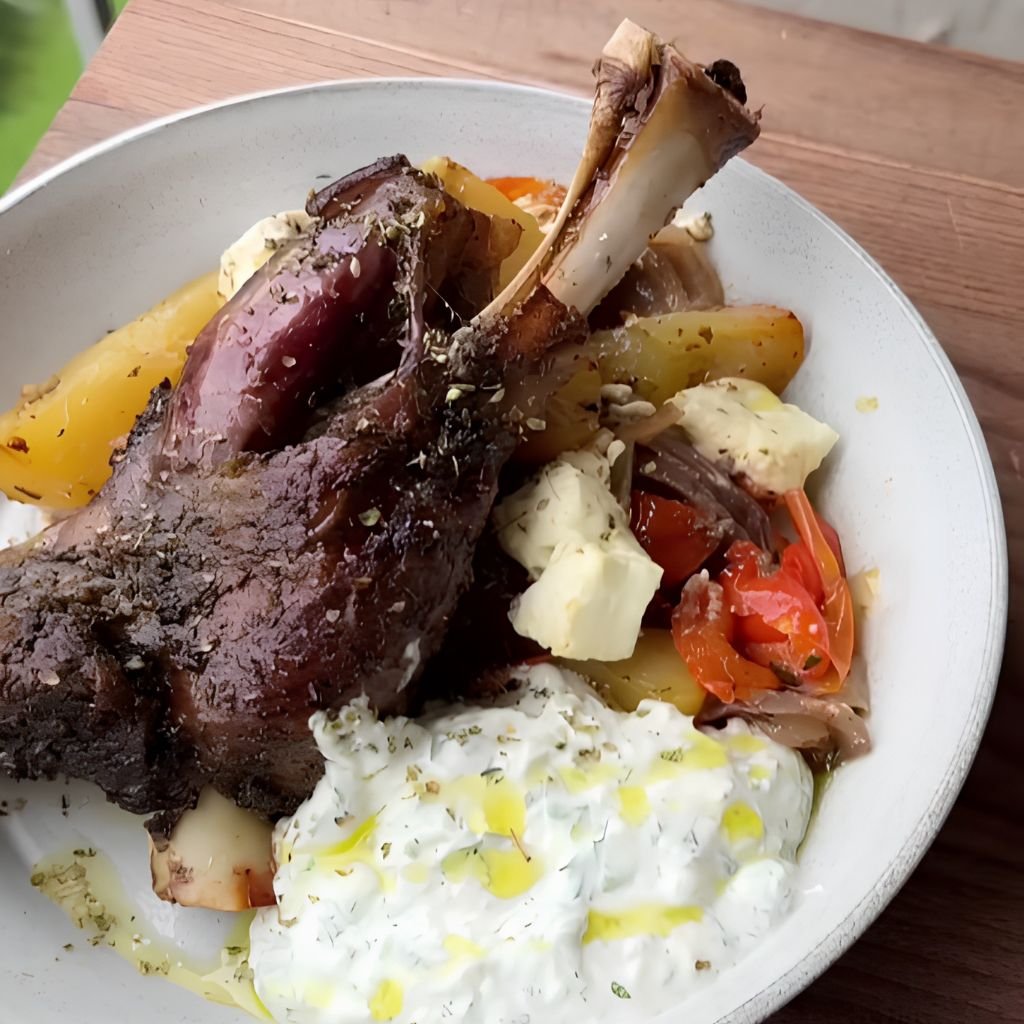
Kleftiko is fall-off-the-bone lamb, sealed in parchment and slow-roasted until the meat is deeply tender. Named after Greek mountain bandits who cooked meat buried underground to hide the smoke, this recipe brings that same slow, enclosed cooking method into the home oven. One of the most special authentic greek dinner recipes you can make.
Ingredients
- 1.5 kg (3.3 lb) bone-in lamb shoulder, cut into large pieces
- 5 garlic cloves, thinly sliced
- Juice of 2 lemons
- 4 tablespoons olive oil
- 2 teaspoons dried oregano
- 1 teaspoon dried rosemary
- 1 teaspoon ground cumin
- 1 teaspoon salt
- ½ teaspoon black pepper
- 200g (7 oz) kefalograviera or feta cheese, cut into chunks
- 3 medium potatoes, cut into large chunks
- 2 large tomatoes, quartered
- Fresh rosemary sprigs (optional, for aroma)
- Parchment paper and kitchen twine
Instructions
The day before cooking, prepare the lamb for marinating. Using a small sharp knife, make deep slits all over the surface of each lamb piece — about 1 inch deep and spaced 2 inches apart. Into each slit, push a thin slice of garlic. This infuses the garlic flavor directly into the meat as it roasts.
In a small bowl, mix the lemon juice, olive oil, oregano, dried rosemary, cumin, salt, and pepper. Rub this marinade all over every surface of the lamb pieces, working it into the garlic-studded slits. Place the lamb in a large baking dish or zip-lock bags. Add the potato chunks and tomato pieces to marinate alongside the meat. Cover and refrigerate overnight, or for at least 4 hours, turning once during the marinating period.
When ready to cook, preheat the oven to 160°C (325°F). Tear off two large sheets of parchment paper — each large enough to wrap one or two pieces of lamb along with some vegetables. Place one or two lamb pieces in the center of a parchment sheet. Arrange a handful of potato and tomato pieces around the meat. Tuck a few chunks of cheese among the vegetables. Spoon any remaining marinade over the top. Place a sprig of fresh rosemary on top if using.
Fold the parchment paper up around the lamb, bringing the sides together and folding them down tightly to form a sealed parcel. Tie the parcel with kitchen twine to secure it. The goal is to keep all the steam and juices trapped inside during roasting — this is what makes the meat so tender and moist. Repeat with any remaining lamb pieces.
Place the sealed parcels in a deep roasting pan or baking dish. Put the pan into the preheated oven. Roast at 160°C for 3 hours. The long, slow, enclosed cooking time breaks down the tough connective tissue in the shoulder, transforming it into meltingly tender meat.
After 3 hours, carefully open the oven and use scissors or a knife to cut open the top of each parchment parcel. Be very careful — steam will escape and it is very hot. Increase the oven temperature to 200°C (390°F). Return the open parcels to the oven and roast for an additional 20 to 30 minutes. This final blast of heat gives the lamb a golden, slightly caramelized exterior while the inside stays tender.
Remove from the oven and let the lamb rest inside the opened parcel for 10 minutes before serving. Serve directly from the parchment with crusty bread to soak up the incredible juices and a simple green salad alongside.
6. Youvetsi (Beef & Orzo Stew)
Prep Time: 15 minutes | Cook Time: 2 hours | Serves: 4–6
Youvetsi is comfort food at its finest — tender chunks of beef braised in a rich tomato sauce with orzo pasta absorbing every drop of flavor as it cooks. One pot, one oven, maximum reward. A staple in the world of authentic greek dinner recipes.
Ingredients
- 1 kg (2.2 lb) beef chuck or short ribs, cut into large cubes
- 1 large onion, finely chopped
- 4 garlic cloves, minced
- 1 can (400g) crushed tomatoes
- 2 tablespoons tomato paste
- 1 cup dry red wine
- 2 cups beef stock
- 1 teaspoon ground cinnamon
- ½ teaspoon ground allspice
- 1 teaspoon dried oregano
- 2 bay leaves
- 3 tablespoons olive oil
- 300g (10.5 oz) orzo pasta
- ½ cup grated kefalotyri or Parmesan cheese
- Salt and pepper to taste
Instructions
Preheat your oven to 180°C (350°F). Pat the beef cubes completely dry with paper towels — dry meat browns much better than wet meat. Season generously on all sides with salt and pepper.
Heat 3 tablespoons of olive oil in a large Dutch oven or heavy oven-safe pot over high heat on the stovetop. When the oil is hot and just beginning to smoke, add the beef cubes in a single layer — work in two batches if needed to avoid crowding. Sear the meat without moving it for 3 to 4 minutes until a deep brown crust forms. Turn each piece and sear the other sides. Transfer the browned beef to a plate and set aside.
Reduce the heat to medium. Add the chopped onion to the same pot and cook for 5 minutes, scraping up any browned bits from the bottom of the pot as you stir — these are full of flavor. Add the minced garlic and cook for 1 more minute. Pour in the red wine and stir, letting it bubble and reduce for 2 to 3 minutes. Add the crushed tomatoes, tomato paste, beef stock, cinnamon, allspice, oregano, and bay leaves. Stir everything well and bring to a simmer.
Return the seared beef pieces to the pot, nestling them into the sauce. The liquid should come about three-quarters of the way up the sides of the meat. If needed, add a little more stock or water. Cover the pot tightly with its lid and transfer to the preheated oven. Cook for 1 hour and 30 minutes.
After 1.5 hours, carefully remove the pot from the oven. The beef should be starting to turn very tender. Remove the lid and stir in the dry orzo pasta. The orzo will absorb the cooking liquid as it continues to cook, so make sure there is enough liquid — add an additional ½ to 1 cup of hot water or stock if the sauce looks too thick. Stir well to distribute the orzo. Return the pot to the oven, uncovered, for another 20 to 25 minutes. Check and stir once halfway through this time. The orzo should be fully cooked and tender, and the sauce should be thick and clinging to the pasta.
Remove the bay leaves. Taste and adjust seasoning. Serve hot, topped generously with grated cheese. The dish thickens further as it sits, so serve it while it is fresh from the oven.
7. Stifado (Greek Beef Stew with Onions)
Prep Time: 20 minutes | Cook Time: 2.5 hours | Serves: 4–6
Stifado is a slow-braised beef stew built on a mountain of pearl onions and warm spices. The onions melt down into the sauce during cooking, giving it a natural sweetness that balances the richness of the beef beautifully. A deeply aromatic dish that represents authentic greek dinner recipes at their most comforting.
Ingredients
- 1 kg (2.2 lb) beef chuck, cut into large cubes
- 700g (1.5 lb) pearl onions or small shallots, peeled
- 4 garlic cloves, whole
- 1 can (400g) diced tomatoes
- 2 tablespoons tomato paste
- 1 cup dry red wine
- ½ cup red wine vinegar
- 1 cup beef stock
- 3 tablespoons olive oil
- 1 cinnamon stick
- 4 whole cloves
- 3 allspice berries
- 2 bay leaves
- 1 teaspoon dried oregano
- Salt and pepper to taste
- Fresh parsley for serving
Instructions
To peel the pearl onions easily, blanch them in boiling water for 1 minute, then transfer immediately to a bowl of ice water. The skins will slip off effortlessly. If using shallots, peel them and leave them whole. Set aside.
Season the beef cubes generously with salt and pepper on all sides. In a large, heavy-bottomed pot or Dutch oven, heat the olive oil over high heat. When hot, add the beef in batches — do not crowd the pan. Sear each piece for 3 to 4 minutes per side, developing a rich dark crust. Remove to a plate and repeat with remaining beef. This browning step is critical — it builds the deep, complex flavor base of the whole stew.
Once all the beef is seared and removed, reduce the heat to medium. Add the whole peeled onions to the pot. Cook them, stirring occasionally, for 5 minutes until lightly browned on the outside. Add the whole garlic cloves and stir for 1 more minute. Pour in the red wine and red wine vinegar — together they create a balanced, complex braising liquid. Use your spoon to scrape up any dark bits from the bottom of the pot. Let the liquid cook for 3 minutes to reduce slightly.
Add the diced tomatoes, tomato paste, and beef stock. Stir in the cinnamon stick, whole cloves, allspice berries, bay leaves, and dried oregano. Return all the seared beef to the pot, nestling the pieces among the onions. The liquid should mostly cover the meat and vegetables. Bring the stew to a steady simmer.
Once simmering, reduce the heat to very low. Cover the pot tightly and cook on the stovetop (or in a 160°C oven) for 2 to 2.5 hours. During this time, stir very gently every 30 minutes — you want the onions to remain mostly whole as they soften, not break apart completely. The long, gentle braising will transform the beef into something meltingly tender, and the onions will become sweet and jammy.
After cooking, taste the sauce and adjust seasoning. Remove the cinnamon stick, bay leaves, and any whole spices you can find. The sauce should be thick, dark, and glossy. If it seems thin, remove the lid and simmer over medium heat for 10 to 15 minutes to reduce it further. Serve in wide bowls over mashed potatoes, crusty bread, or egg noodles, topped with fresh chopped parsley.
8. Lemon Chicken with Potatoes
Prep Time: 15 minutes | Cook Time: 1 hour 15 minutes | Serves: 4–6
Lemon chicken with potatoes is one of those effortless one-pan meals that always comes out perfectly. Everything roasts together in a sea of lemon juice, olive oil, garlic, and herbs. The potatoes soak up every drop of the pan juices while the chicken skin turns golden and crispy. A weeknight hero among authentic greek dinner recipes.
Ingredients
- 1.2 kg (2.6 lb) bone-in, skin-on chicken pieces (thighs and drumsticks)
- 700g (1.5 lb) potatoes, cut into wedges
- Juice of 2 lemons (keep the lemon halves)
- Zest of 1 lemon
- 5 tablespoons olive oil
- 5 garlic cloves, minced
- 1.5 teaspoons dried oregano
- 1 teaspoon dried thyme
- 1 teaspoon salt
- ½ teaspoon black pepper
- ½ cup chicken stock or water
Instructions
Preheat your oven to 200°C (390°F). In a large mixing bowl, combine the olive oil, lemon juice, lemon zest, minced garlic, oregano, thyme, salt, and pepper. Whisk until everything is well combined. Add the chicken pieces to the bowl and toss to coat all sides generously with the marinade. Add the potato wedges and toss them in the remaining marinade as well. Let everything sit together for at least 10 minutes while the oven heats — or refrigerate for up to 2 hours if making ahead.
Arrange the chicken pieces skin-side up in a large roasting pan. Spread the potato wedges around and between the chicken pieces in a single layer as much as possible. Pour any remaining marinade from the bowl over everything. Add the squeezed lemon halves to the pan — as they roast, they release extra juice and perfume the whole dish. Pour the chicken stock or water into the bottom of the pan. This liquid steams during the first phase of cooking, which keeps the chicken moist.
Place the pan in the preheated oven. Roast for 45 minutes, then open the oven and use a spoon or baster to scoop up the pan juices and pour them back over the chicken and potatoes. This basting step is what gives the chicken its beautiful golden glaze. Return the pan to the oven and roast for another 20 to 30 minutes, until the chicken skin is deeply golden and crispy and the potatoes are fork-tender with golden edges.
Check the chicken is cooked through by piercing the thickest part near the bone — the juices should run completely clear. An internal temperature of 74°C (165°F) confirms it is done. Remove the lemon halves before serving. Let the pan rest for 5 minutes, then serve directly from the roasting pan at the table, spooning plenty of pan juices over each portion.
9. Chicken Souvlaki
Prep Time: 15 minutes + 2 hours marinating | Cook Time: 15 minutes | Serves: 4
Chicken souvlaki follows the same approach as pork souvlaki — a bright, lemony marinade, skewered chunks, and hot grill — but chicken thighs bring a richer, juicier result. A lighter entry into authentic greek dinner recipes that works beautifully at any dinner.
Ingredients
- 700g (1.5 lb) boneless, skinless chicken thighs, cut into 1½-inch pieces
- 4 tablespoons olive oil
- 3 tablespoons fresh lemon juice
- 4 garlic cloves, minced
- 1.5 teaspoons dried oregano
- 1 teaspoon smoked paprika
- ½ teaspoon dried thyme
- 1 teaspoon salt
- ½ teaspoon black pepper
To serve:
- Warm pita bread
- Tzatziki
- Sliced tomatoes and cucumbers
- Red onion, thinly sliced
Instructions
Combine the olive oil, lemon juice, garlic, oregano, smoked paprika, thyme, salt, and pepper in a bowl. Whisk well. Add the chicken pieces and toss to coat completely. Cover and refrigerate for 2 hours minimum, or up to 8 hours for deeper flavor. Overnight marinating is also an option.
If using wooden skewers, soak in cold water for 30 minutes. Thread the chicken onto the skewers, leaving small gaps between each piece to encourage even cooking on all sides. Preheat your grill or grill pan to high heat and lightly oil the surface.
Place the skewers on the hot grill. Cook for 4 to 5 minutes on the first side without moving. Flip and cook another 4 to 5 minutes. The chicken should have beautiful grill marks and reach an internal temperature of 74°C (165°F). Check the thickest piece to confirm it is fully cooked through — no pink inside. The natural fat in chicken thighs keeps them juicy even over high heat.
Allow the skewers to rest for 3 to 4 minutes before serving. Serve tucked into warm pita with tzatziki, tomato, cucumber, and red onion. Squeeze a little extra lemon over the top just before eating.
10. Chicken Avgolemono (Egg-Lemon Sauce Dish)
Prep Time: 10 minutes | Cook Time: 35 minutes | Serves: 4–6
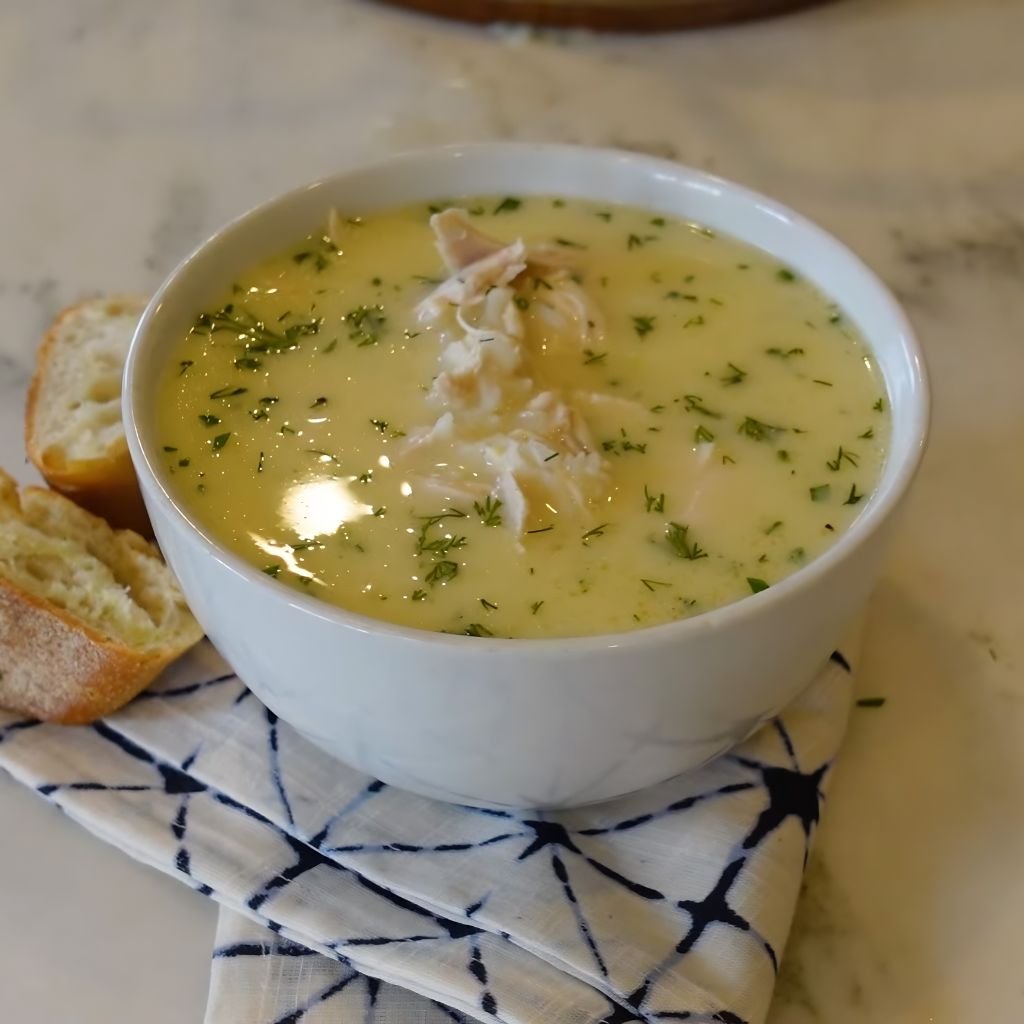
Avgolemono is pure Greek soul food — a silky, tangy soup made from chicken broth thickened with beaten eggs and bright lemon juice. The result is something between a soup and a sauce, creamy without any cream. A gently nourishing dish that belongs at the heart of any authentic greek dinner recipes collection.
Ingredients
- 1.5 liters (6 cups) good-quality chicken broth
- 300g (10.5 oz) cooked chicken, shredded (rotisserie chicken works perfectly)
- 100g (3.5 oz) long-grain white rice or orzo
- 3 large eggs
- Juice of 2 lemons (about 4 tablespoons)
- Salt and white pepper to taste
- Fresh dill or parsley for garnish
Instructions
Pour the chicken broth into a large pot and bring it to a gentle boil over medium-high heat. Once boiling, add the rice (or orzo). Reduce the heat to medium and cook until the rice is fully tender — about 15 to 18 minutes for rice, or 8 to 10 minutes for orzo. Add the shredded chicken to the pot and stir. Reduce the heat to the lowest setting. The broth should be very hot but not actively boiling at this point.
In a medium bowl, crack the eggs and beat them with a whisk until frothy and pale — about 1 full minute of whisking. Add the lemon juice to the eggs and whisk again until fully combined. The mixture will look thin and slightly foamy. This egg-lemon base is what transforms the broth.
Now perform the tempering step — this is the most important technique in this recipe. Tempering means gradually raising the temperature of the egg mixture before adding it to the hot soup. Scoop out about 1 cup of the hot broth from the pot and very slowly pour it into the egg-lemon bowl in a thin, steady stream while whisking constantly. This gradual warming prevents the eggs from scrambling when they hit the hot soup. Add a second cup of hot broth to the egg mixture the same way, still whisking constantly.
Now pour the warmed egg-lemon mixture back into the soup pot in a slow, steady stream, stirring the soup continuously as you pour. Keep the heat very low during this step — do not let the soup boil after adding the egg mixture or it will curdle. Continue stirring for 2 to 3 minutes as the soup thickens slightly into a velvety, silky consistency. It will not be as thick as cream soup, but you will notice the texture visibly change from a clear broth to something more opaque and satiny.
Taste and season with salt and white pepper. Serve immediately in warm bowls, garnished with a sprinkle of fresh dill or parsley and an optional extra squeeze of lemon on top for those who love extra brightness.
11. Baked Greek Chicken with Herbs
Prep Time: 10 minutes | Cook Time: 45 minutes | Serves: 4
Baked Greek chicken with herbs is a no-fuss, high-flavor dinner. A simple coating of olive oil, garlic, lemon, and dried herbs does all the work, producing juicy chicken with a fragrant golden crust. Easy enough for any weeknight and impressive enough for guests — exactly what the best authentic greek dinner recipes deliver.
Ingredients
- 4 bone-in, skin-on chicken thighs (or breasts)
- 3 tablespoons olive oil
- 3 garlic cloves, minced
- Juice of 1 lemon
- Zest of 1 lemon
- 1 teaspoon dried oregano
- ½ teaspoon dried rosemary
- ½ teaspoon dried thyme
- ½ teaspoon garlic powder
- 1 teaspoon salt
- ½ teaspoon black pepper
Instructions
Preheat the oven to 200°C (390°F). In a small bowl, mix together the olive oil, minced garlic, lemon juice, lemon zest, oregano, rosemary, thyme, garlic powder, salt, and pepper. Stir until it forms a cohesive herb paste.
Pat the chicken pieces completely dry with paper towels — this is important for getting crispy skin. Using your fingers, loosen the skin from each chicken piece by gently pushing your fingers underneath it, being careful not to tear it. Spread a portion of the herb paste directly underneath the skin, coating the meat beneath. Rub the remaining paste all over the outside of each piece, including under the skin and on all exposed surfaces.
Place the chicken pieces skin-side up in a single layer in a baking dish or on a rimmed baking sheet. Make sure the pieces are not touching — space encourages the heat to circulate and crisps the skin properly. Roast in the preheated oven for 40 to 45 minutes, until the skin is deeply golden and crispy and the meat is cooked through. The internal temperature should reach 74°C (165°F).
If you want an extra-crispy skin, switch the oven to broil for the final 3 to 4 minutes, watching carefully to avoid burning. Remove from the oven and rest for 5 minutes before serving. The resting period locks the juices inside the meat. Serve with roasted vegetables, tzatziki, or a fresh salad.
12. Grilled Octopus
Prep Time: 10 minutes | Cook Time: 1 hour 15 minutes | Serves: 4
Charred, smoky, and wonderfully tender — grilled octopus is one of the most iconic dishes across Greek islands. The secret is a long, slow braise before the grill. Once you see how easy it is to make, it becomes one of those authentic greek dinner recipes you return to again and again.
Ingredients
- 1 kg (2.2 lb) whole octopus, cleaned
- 1 bay leaf
- ½ cup red wine vinegar
- 3 tablespoons olive oil (for grilling)
- 2 tablespoons fresh lemon juice
- 1 teaspoon dried oregano
- Salt and pepper to taste
- Fresh parsley and lemon wedges to serve
Instructions
Place the cleaned octopus into a large pot. Do not add any water initially — octopus releases its own liquid as it cooks. Add the bay leaf and red wine vinegar to the pot. Cover the pot with its lid and cook over medium-low heat for 45 to 60 minutes. The octopus will simmer in its own juices and the vinegar, which helps tenderize it significantly. Check it every 20 minutes and turn it in the liquid. It is done when a sharp knife slides easily into the thickest part of the tentacle with no resistance. The octopus will shrink noticeably during cooking.
Remove the octopus from the pot and let it cool for 10 minutes on a cutting board. Once cool enough to handle, cut it into individual tentacles and score the thicker parts lightly with a knife — this helps them crisp up on the grill. Brush all surfaces generously with olive oil. Season with salt and pepper.
Heat a grill or grill pan to very high heat. The grill must be very hot to get the signature charred exterior. Place the octopus tentacles on the hot grill and cook for 3 to 4 minutes per side. You want deep grill marks and charred, caramelized edges — this char is part of the flavor. Do not move them around too much.
Remove from the grill and arrange on a platter. Drizzle with fresh lemon juice and olive oil. Sprinkle with dried oregano and chopped fresh parsley. Serve immediately with lemon wedges alongside.
13. Shrimp Saganaki (Tomato & Feta Sauce)
Prep Time: 10 minutes | Cook Time: 20 minutes | Serves: 4
Shrimp saganaki is a bold, bubbling pan of shrimp baked in spiced tomato sauce and topped with melting feta cheese. The name comes from the small two-handled frying pan it is traditionally cooked in. A quick and impressive addition to any authentic greek dinner recipes menu.
Ingredients
- 500g (1.1 lb) large raw shrimp, peeled and deveined (tails on or off)
- 200g (7 oz) feta cheese, crumbled or in one piece
- 1 can (400g) diced tomatoes
- 1 small onion, finely chopped
- 3 garlic cloves, minced
- ½ cup dry white wine
- 2 tablespoons olive oil
- ½ teaspoon dried oregano
- ¼ teaspoon dried chili flakes (optional)
- Salt and pepper to taste
- Fresh parsley, chopped, to serve
Instructions
Heat the olive oil in an oven-safe skillet or shallow casserole dish over medium heat on the stovetop. Add the chopped onion and cook for 4 to 5 minutes until softened and translucent. Add the minced garlic and chili flakes (if using) and stir for 1 minute more. Pour in the white wine and let it cook for 2 minutes, reducing slightly. Add the diced tomatoes and oregano. Stir well and simmer the sauce for 8 to 10 minutes, until it thickens slightly. Season with salt and pepper.
While the sauce simmers, preheat the oven to 200°C (390°F). Add the raw shrimp directly to the simmering tomato sauce, pressing them down into the sauce so they are mostly submerged. Remove the skillet from the heat. Crumble or place the feta over the top of the shrimp and sauce, covering the surface generously.
Transfer the skillet directly to the hot oven. Bake for 10 to 12 minutes, until the shrimp are pink and cooked through and the feta is softened and starting to turn golden at the edges. Do not overbake — shrimp cook quickly and become rubbery if overcooked. Remove from the oven and scatter fresh parsley over the top. Serve immediately, straight from the pan, with crusty bread for soaking up the sauce.
14. Fried Calamari
Prep Time: 15 minutes | Cook Time: 10 minutes | Serves: 4
Golden, crispy fried calamari with a light flour coating is one of the most popular starters in Greek cuisine. The key is very hot oil and a quick fry — calamari should spend no more than 2 minutes in the oil. Simple, fast, and completely addictive as part of a spread of authentic greek dinner recipes.
Ingredients
- 500g (1.1 lb) fresh or thawed squid rings and tentacles
- 1 cup all-purpose flour
- ½ teaspoon salt
- ½ teaspoon garlic powder
- ¼ teaspoon black pepper
- Vegetable or sunflower oil for deep frying
- Lemon wedges to serve
- Fresh parsley, chopped
Instructions
If using whole squid, clean and cut the body into rings about ½ inch thick. Keep the tentacles as a cluster or cut them in half. Pat all the squid pieces very dry with paper towels — moisture on the squid will cause the oil to splatter and the coating to steam instead of fry.
In a large bowl, combine the flour, salt, garlic powder, and pepper. Toss all the squid pieces in the flour mixture, making sure each piece is lightly but evenly coated. Shake off any excess flour — too much coating makes the calamari heavy and stodgy.
Fill a deep pot or deep-sided pan with at least 3 inches of oil. Heat the oil to 185°C (365°F). Use a kitchen thermometer for accuracy. If you do not have one, test with a small piece of bread — it should sizzle vigorously and turn golden in about 30 seconds. Do not let the oil smoke, as overheated oil will give the calamari a bitter taste.
Fry the squid in small batches — no more than a handful at a time. Overcrowding drops the oil temperature dramatically and results in greasy, soggy calamari. Lower the squid into the oil carefully using tongs or a slotted spoon. Fry for 90 seconds to 2 minutes maximum, stirring once or twice, until golden and crispy. Remove with a slotted spoon and drain on a paper-towel-lined plate. Immediately season with a pinch of salt while still hot.
Repeat with remaining batches, allowing the oil to return to temperature between each batch. Serve the calamari immediately on a warm platter, scattered with fresh parsley and surrounded by lemon wedges. Calamari is best eaten within minutes of frying.
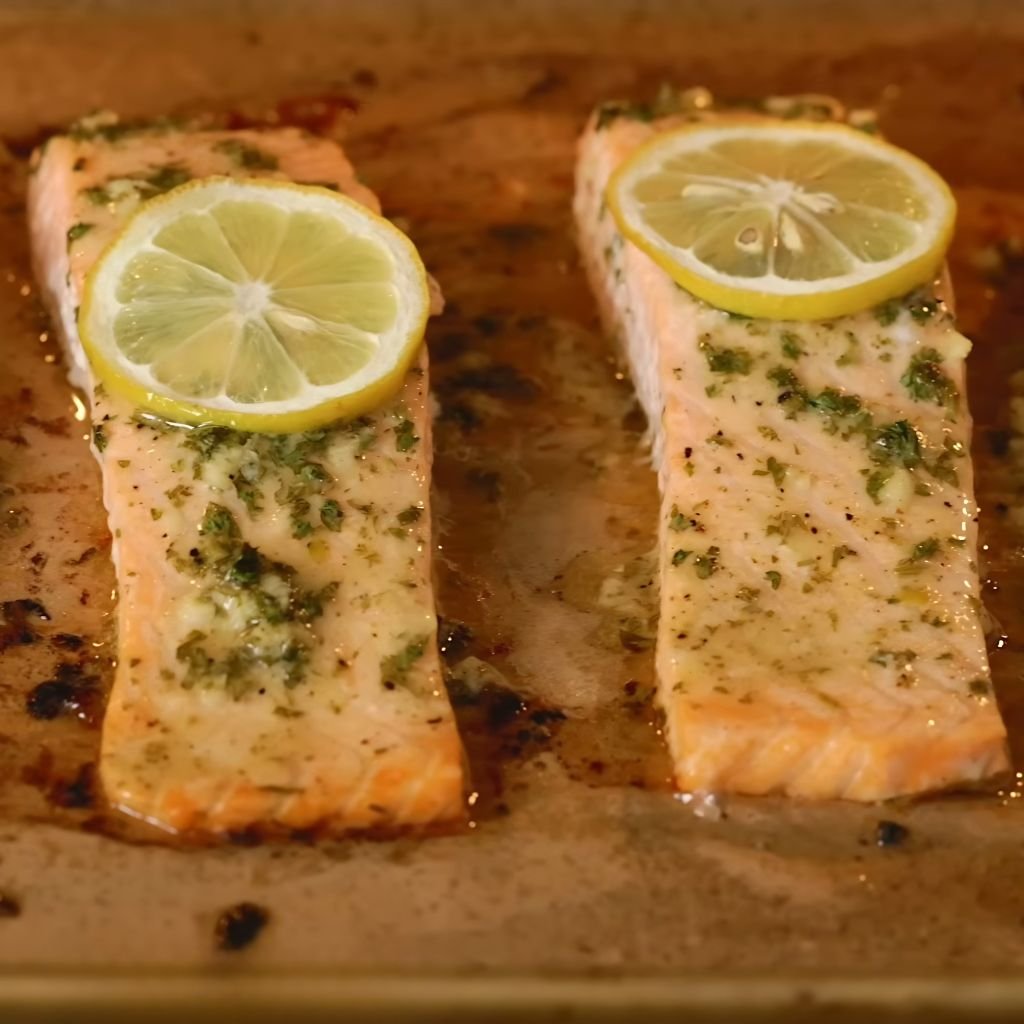
15. Baked Fish with Lemon and Herbs
Prep Time: 10 minutes | Cook Time: 25 minutes | Serves: 4
Whole fish or fillets baked with olive oil, lemon, garlic, and fresh herbs is the most traditional way to serve fish in Greece. Simple and clean, it lets the quality of the fish shine through. An essential, no-fuss entry in the roster of authentic greek dinner recipes.
Ingredients
- 4 fish fillets (sea bass, sea bream, or cod) — or 2 whole small fish
- 4 tablespoons olive oil
- Juice of 2 lemons
- Zest of 1 lemon
- 4 garlic cloves, thinly sliced
- 1 teaspoon dried oregano
- 2 tablespoons fresh parsley, chopped
- 1 teaspoon salt
- ½ teaspoon black pepper
- Lemon slices and fresh herbs for garnish
Instructions
Preheat the oven to 200°C (390°F). If using whole fish, score three diagonal cuts on each side of the fish, cutting about half an inch deep. This allows the marinade and heat to penetrate the thick flesh near the spine. Pat the fish fillets or whole fish completely dry with paper towels.
In a small bowl, mix together the olive oil, lemon juice, lemon zest, sliced garlic, oregano, parsley, salt, and pepper. Lightly oil a baking dish large enough to hold the fish in a single layer without crowding. Place the fish in the dish. If using whole fish, stuff a few garlic slices and parsley sprigs into the cavity of each fish. Pour the lemon-herb marinade evenly over all the fish. Lay a few lemon slices over the top for presentation and extra flavor.
Slide the baking dish into the preheated oven. Bake fish fillets for 18 to 22 minutes depending on thickness — a 1-inch thick fillet takes about 18 minutes. Whole fish may take 22 to 25 minutes. The fish is done when the flesh is opaque throughout and flakes easily when pressed gently with a fork near the thickest part. Do not overbake fish — it continues cooking slightly after leaving the oven.
Remove from the oven and spoon the pan juices over the fish. Serve immediately, garnished with fresh parsley and additional lemon slices. Accompany with boiled vegetables, a green salad, or warm crusty bread.
16. Gemista (Stuffed Tomatoes & Peppers)
Prep Time: 20 minutes | Cook Time: 1 hour | Serves: 4–6
Gemista means “stuffed things” in Greek, and the vegetables here do all the talking. Ripe tomatoes and bell peppers are filled with a herbed rice mixture and slow-baked in olive oil until the vegetables are silky and the rice is perfectly cooked inside them. A beautiful meat-free option among authentic greek dinner recipes.
Ingredients
- 4 large ripe tomatoes
- 4 large bell peppers (mixed colors)
- 200g (7 oz) long-grain rice, uncooked
- 1 large onion, finely chopped
- 4 garlic cloves, minced
- 3 tablespoons fresh parsley, chopped
- 2 tablespoons fresh mint, chopped
- ½ cup olive oil (divided)
- 1 teaspoon salt
- ½ teaspoon black pepper
- ½ teaspoon ground cumin
- 1 cup water or vegetable broth
- Optional: ¼ cup raisins and pine nuts for sweetness
Instructions
Preheat the oven to 180°C (350°F). Prepare the vegetables by cutting off the top of each tomato and pepper — these tops will be placed back on as lids during baking, so keep them. Use a spoon to carefully scoop out the inside flesh of each tomato and each pepper. Transfer all the tomato flesh and pulp into a large bowl — squeeze it with your hands to break it up. Set the hollowed-out shells aside in a large baking dish, cut side up.
In the bowl with the tomato pulp, add the uncooked rice, finely chopped onion, minced garlic, parsley, mint, half the olive oil, salt, pepper, and cumin. If using raisins and pine nuts, add them now. Mix everything well. The tomato pulp provides both flavor and liquid for the rice to absorb during baking. Taste the filling and adjust the seasoning — it should be well-seasoned since the rice will absorb the flavors.
Spoon the filling into each hollowed tomato and pepper, filling them about three-quarters full. The rice will expand as it cooks, so do not overfill or the shells may burst. Place the tops (lids) back on each stuffed vegetable. Drizzle the remaining olive oil generously over all the vegetables. Pour the water or broth into the bottom of the baking dish — this creates steam that helps the vegetables cook evenly and prevents burning.
Cover the dish tightly with aluminum foil and bake for 45 minutes. After 45 minutes, remove the foil and bake uncovered for another 15 to 20 minutes. The vegetables should be completely soft and slightly caramelized on top, and the filling inside should be fully cooked. Test the rice by inserting a fork — it should feel tender. Let the gemista rest in the dish for 10 minutes before serving. Excellent hot or at room temperature.
17. Briam (Greek Roasted Vegetables)
Prep Time: 20 minutes | Cook Time: 1 hour | Serves: 4–6
Briam is the Greek version of ratatouille — a generous pan of summer vegetables slowly roasted in olive oil until everything is sweet, tender, and deeply flavorful. Zero effort, maximum flavor. A perfect side dish or a satisfying vegetarian main among authentic greek dinner recipes.
Ingredients
- 2 medium zucchini, sliced into ½-inch rounds
- 2 medium potatoes, thinly sliced
- 1 eggplant, diced
- 2 large tomatoes, sliced
- 1 large red onion, sliced
- 3 garlic cloves, minced
- ½ cup olive oil
- 1 teaspoon dried oregano
- 1 teaspoon dried thyme
- 1 teaspoon salt
- ½ teaspoon black pepper
- ½ cup water
- Fresh parsley to serve
Instructions
Preheat the oven to 190°C (375°F). Prepare all your vegetables and spread them loosely across a very large roasting pan or two smaller ones. The vegetables can overlap slightly but try to spread them as evenly as possible so they roast rather than steam. Season the vegetables with salt, pepper, oregano, and thyme directly in the pan. Add the minced garlic and pour the olive oil generously over everything. Toss well with your hands or a large spoon to coat all the vegetables in oil and seasoning.
Pour the water into the bottom corners of the pan. Arrange the tomato slices on top of the vegetable mixture — they will release their juice and create a natural sauce as they roast. Drizzle one final thread of olive oil over the tomatoes.
Cover the pan tightly with foil and bake for 45 minutes. Remove the foil and continue roasting uncovered for another 15 to 20 minutes until the top is lightly caramelized and the potatoes are completely tender when pierced with a fork. The vegetables should be soft, jammy, and fragrant. Scatter fresh parsley over the top before serving. Serve warm or at room temperature with crusty bread and feta cheese on the side.
18. Spanakopita (Spinach Pie)
Prep Time: 30 minutes | Cook Time: 45 minutes | Serves: 8–10
Spanakopita is one of the most beloved Greek dishes — layers of flaky, buttery phyllo pastry wrapped around a savory filling of spinach, feta, eggs, and herbs. Golden, crispy, and completely satisfying as a vegetarian main or a side. A classic of authentic greek dinner recipes that everyone loves.
Ingredients
- 500g (1.1 lb) fresh spinach (or thawed frozen spinach, well-squeezed)
- 300g (10.5 oz) feta cheese, crumbled
- 3 large eggs, beaten
- 1 medium onion, finely chopped
- 3 spring onions, finely sliced
- 2 tablespoons fresh dill, chopped
- 2 tablespoons fresh parsley, chopped
- 3 tablespoons olive oil
- Salt and pepper to taste
- 400g (14 oz) phyllo dough (about 12 sheets), thawed if frozen
- 100g (3.5 oz) unsalted butter, melted — or ½ cup olive oil for brushing
Instructions
If using fresh spinach, wash it well and place it in a dry skillet over medium heat. Cook, stirring, for 2 to 3 minutes until wilted. Transfer to a colander and press firmly with a spoon or clean cloth to squeeze out as much liquid as possible. Excess moisture is the enemy of crispy spanakopita — the filling must be as dry as possible. Chop the squeezed spinach roughly.
Heat 2 tablespoons of olive oil in a small pan. Cook the chopped onion over medium heat for 4 to 5 minutes until soft. Let it cool slightly. In a large bowl, combine the chopped spinach, crumbled feta, beaten eggs, sautéed onion, spring onions, dill, and parsley. Season with pepper — go easy on the salt since feta is already quite salty. Mix well until everything is evenly combined.
Preheat the oven to 180°C (350°F). Lightly brush a 9×13 inch baking pan with butter or olive oil. Carefully unroll the phyllo sheets. Keep unused sheets covered with a slightly damp kitchen towel at all times to prevent them from drying out and cracking. Phyllo dries very quickly when exposed to air.
Lay one sheet of phyllo into the baking pan, letting it hang over the edges slightly. Brush it lightly but thoroughly with melted butter or olive oil. Lay a second sheet on top and brush again. Continue layering and brushing until you have used 6 sheets of phyllo on the bottom. Spread the spinach and feta filling evenly over the phyllo base, smoothing it flat with a spatula. The filling should be about 1 inch thick.
Layer the remaining phyllo sheets on top of the filling, brushing each sheet generously with butter or oil. Fold any overhanging edges of phyllo up and over the top layer, brushing them down neatly. Brush the entire top surface generously with butter or oil. Using a sharp knife, score the top few layers of phyllo into the shapes you will later cut — squares or diamonds — without cutting all the way through. This scoring makes it much easier to cut cleanly after baking.
Bake for 40 to 45 minutes until the top is deeply golden and crispy. The phyllo layers should sound hollow when tapped lightly. Remove from the oven and allow to cool for at least 15 minutes before cutting. The filling firms up as it cools, making it much easier to slice cleanly. Cut along the scored lines and serve warm or at room temperature.
19. Fasolada (White Bean Soup)
Prep Time: 10 minutes (plus overnight soaking) | Cook Time: 1.5 hours | Serves: 6
Fasolada is considered the national dish of Greece — a humble, deeply nourishing white bean soup cooked with vegetables, olive oil, and herbs. It has fed Greek families for generations and is the kind of recipe that tastes even better the next day. A soulful cornerstone of authentic greek dinner recipes.
Ingredients
- 400g (14 oz) dried white beans (navy or cannellini), soaked overnight in cold water
- 1 large onion, finely chopped
- 3 medium carrots, sliced
- 3 celery stalks, sliced
- 3 garlic cloves, minced
- 1 can (400g) diced tomatoes
- ½ cup olive oil
- 1 teaspoon dried oregano
- 1 teaspoon salt
- ½ teaspoon black pepper
- Fresh parsley to serve
- Crusty bread to accompany
- 1.5 liters (6 cups) water
Instructions
The night before, place the dried beans in a large bowl and cover with cold water — at least double the volume of water to beans, as they expand significantly. Soak for 8 to 12 hours. The next day, drain and rinse the beans thoroughly.
In a large pot, combine the drained beans with the 1.5 liters of fresh cold water. Bring to a boil over high heat. Once boiling, skim off any white foam that rises to the surface using a large spoon — this foam comes from the beans and removing it gives the soup a cleaner flavor. Let it boil and skim for about 5 minutes, then reduce the heat to medium.
Add the chopped onion, sliced carrots, sliced celery, and minced garlic to the pot. Add the diced tomatoes, olive oil, and oregano. Stir well to combine everything. The olive oil is not just for richness — it is a key flavor component of fasolada. Use good quality extra virgin olive oil for the best result.
Reduce the heat to low, cover the pot partially, and simmer for 1 to 1.5 hours, stirring occasionally. Check the beans every 30 minutes. They are done when they are completely tender inside but still hold their shape — not mushy, not chalky. Cooking time varies depending on the age of your dried beans; older beans take longer to soften.
Once the beans are tender, taste the soup and season generously with salt and pepper. If the soup is too thin, remove the lid and cook on medium heat for 10 to 15 more minutes to reduce and thicken it. If it is too thick, add a little hot water. The finished soup should be thick, hearty, and a beautiful reddish-orange color from the tomatoes and olive oil. Serve in deep bowls with fresh parsley and plenty of crusty bread for dipping.
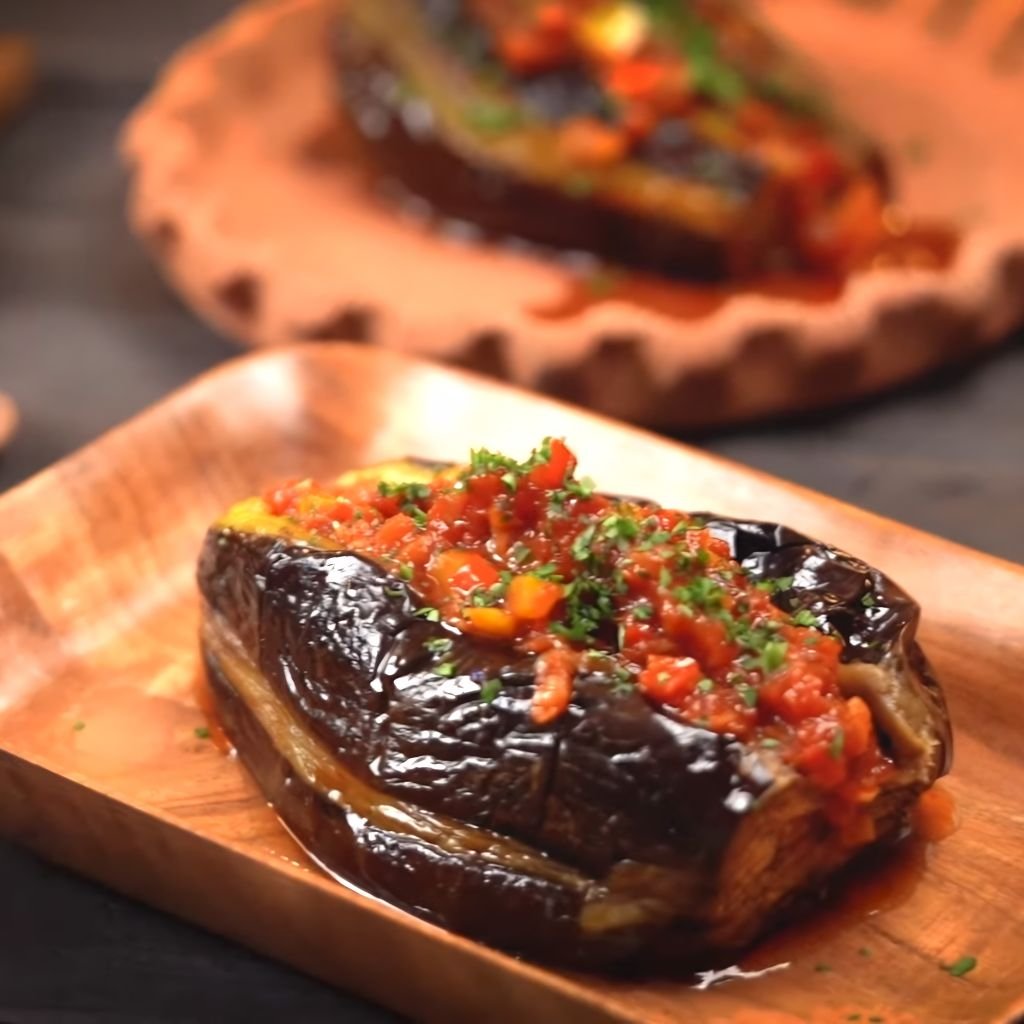
20. Imam Bayildi (Stuffed Eggplant)
Prep Time: 20 minutes | Cook Time: 1 hour | Serves: 4
Imam Bayildi — translated as “the imam fainted,” supposedly from the pleasure of tasting it — is a Turkish-Greek dish of eggplant stuffed with a fragrant onion, garlic, and tomato filling, then slowly braised in olive oil. Deeply aromatic and satisfying, it earns its place in any authentic greek dinner recipes spread.
Ingredients
- 4 medium eggplants
- 2 large onions, thinly sliced
- 4 garlic cloves, thinly sliced
- 3 large ripe tomatoes, diced (or 1 can diced tomatoes)
- ½ cup olive oil (divided)
- 1 teaspoon sugar
- 1 teaspoon dried oregano
- 3 tablespoons fresh parsley, chopped
- 1 teaspoon salt
- ½ teaspoon black pepper
- ½ cup water
Instructions
Cut each eggplant in half lengthwise. Using a spoon, scoop out some of the flesh from each half, leaving a border about ½ inch thick all around — like making an eggplant boat. Chop the scooped-out flesh roughly and set it aside. Rub the inside of each eggplant half lightly with olive oil and a pinch of salt. Place them cut-side up in a large baking dish.
Heat 3 tablespoons of olive oil in a large skillet over medium heat. Add the sliced onions and cook slowly, stirring occasionally, for 10 minutes until very soft and beginning to turn golden and sweet. Add the sliced garlic and the reserved chopped eggplant flesh. Cook for another 5 minutes, stirring, until the eggplant softens. Add the diced tomatoes, sugar, oregano, salt, and pepper. The sugar balances the acidity of the tomatoes. Stir well and cook the filling for 10 minutes until it thickens slightly. Stir in the fresh parsley and remove from heat.
Preheat the oven to 180°C (350°F). Spoon the filling generously into each eggplant half, mounding it slightly. Pour the remaining olive oil evenly over all the eggplants. Pour the water into the bottom of the baking dish — this keeps the eggplant moist during the long baking time. Cover the dish tightly with aluminum foil.
Bake covered for 40 minutes. Then remove the foil and bake uncovered for another 15 to 20 minutes until the eggplant is completely soft and the filling on top is lightly browned. The eggplant should collapse easily when pressed with a spoon. Let it rest for 10 minutes before serving. Serve warm or at room temperature with crusty bread.
21. Horiatiki (Greek Village Salad)
Prep Time: 10 minutes | Cook Time: None | Serves: 4
Horiatiki is the original Greek salad — no lettuce, no fuss, just ripe tomatoes, cucumbers, olives, red onion, and a slab of feta drizzled with olive oil and oregano. Simple, fresh, and completely perfect. A must-have alongside any authentic greek dinner recipes.
Ingredients
- 3 large ripe tomatoes, cut into wedges
- 1 large cucumber, halved and thickly sliced
- ½ red onion, thinly sliced
- 100g (3.5 oz) kalamata olives
- 200g (7 oz) block feta cheese
- 3 tablespoons extra virgin olive oil
- 1 teaspoon dried oregano
- Salt and pepper to taste
- Optional: 1 green bell pepper, sliced
Instructions
Place the tomato wedges, cucumber slices, red onion, and olives in a large wide bowl or serving plate. Arrange everything loosely — horiatiki is a rustic salad, not a tossed one.
Season lightly with salt and pepper. Place the whole block of feta cheese on top of the salad — do not crumble it. Drizzle the extra virgin olive oil generously over the salad and especially over the feta.
Sprinkle the dried oregano all over the top. Serve immediately. The tomatoes and cucumber will release their own juices, mixing with the olive oil to create a natural dressing. Serve with bread to soak it all up.
22. Tzatziki (Yogurt & Cucumber Dip)
Prep Time: 15 minutes + 30 minutes resting | Cook Time: None | Serves: 6–8 as a dip
Tzatziki is cool, creamy, garlicky, and refreshing. Made from thick strained yogurt, grated cucumber, garlic, and dill, it serves as both a dip and a sauce throughout Greek cuisine. One of the most essential parts of any authentic greek dinner recipes spread.
Ingredients
- 500g (2 cups) full-fat Greek yogurt (strained)
- 1 medium cucumber
- 2 garlic cloves, finely minced or grated
- 2 tablespoons extra virgin olive oil
- 1 tablespoon white wine vinegar or fresh lemon juice
- 2 tablespoons fresh dill, chopped
- ½ teaspoon salt
- White pepper to taste
Instructions
Grate the cucumber on the coarse side of a box grater directly into a clean kitchen towel or a few layers of cheesecloth. Gather the edges of the cloth and squeeze out as much liquid from the cucumber as possible. This step is absolutely essential — if you skip it, your tzatziki will turn watery within minutes of making it. Place the squeezed cucumber into a large mixing bowl.
Add the strained Greek yogurt, minced garlic, olive oil, vinegar or lemon juice, fresh dill, salt, and white pepper to the bowl. Stir everything together thoroughly until fully combined and smooth. Taste and adjust the seasoning — add more garlic for a stronger kick, more lemon for brightness, or more salt as needed.
Cover the bowl with plastic wrap and refrigerate for at least 30 minutes before serving. This resting time lets the garlic flavor mellow slightly and allows all the flavors to blend together properly. Before serving, give it one more stir, drizzle with a little extra olive oil on top, and garnish with a sprig of fresh dill. Serve cold as a dip with pita, alongside grilled meats, or as a sauce spooned over souvlaki and gyros.
23. Dolmades (Stuffed Grape Leaves)
Prep Time: 45 minutes | Cook Time: 50 minutes | Serves: 6–8 (makes 30–35 pieces)
Dolmades are tender grape leaves rolled tightly around a lemony herbed rice filling, then simmered in olive oil and lemon broth until perfectly cooked. Patient to make, but deeply rewarding. A festive and beautiful addition to any authentic greek dinner recipes table.
Ingredients
- 1 jar (about 50 leaves) preserved grape leaves in brine
- 250g (9 oz) long-grain white rice, uncooked
- 1 large onion, finely chopped
- 4 spring onions, finely sliced
- 3 tablespoons fresh dill, chopped
- 3 tablespoons fresh mint, chopped
- 3 tablespoons fresh parsley, chopped
- ½ cup extra virgin olive oil
- Juice of 2 lemons
- 1 teaspoon salt
- ½ teaspoon white pepper
- 1.5 cups warm water or light chicken broth (for cooking)
Instructions
Open the jar of preserved grape leaves and carefully remove them. Rinse the leaves thoroughly under cold running water to remove excess saltiness from the brine. Separate them gently — they tend to stick together. Blanch them in a pot of boiling water for 2 minutes to soften them and make them more pliable for rolling. Drain and spread them flat on a clean kitchen towel to cool. Trim any tough stems.
Prepare the rice filling: in a large bowl, combine the uncooked rice, chopped onion, spring onions, dill, mint, parsley, half the olive oil, half the lemon juice, salt, and white pepper. Mix well. The rice is uncooked at this stage — it will finish cooking inside the grape leaves during simmering.
To roll the dolmades: place one grape leaf flat on your work surface, vein-side up. Put about 1 heaped teaspoon of rice filling near the stem end of the leaf. Fold the bottom of the leaf up over the filling. Fold both sides inward, then roll tightly upward toward the tip of the leaf — like rolling a small burrito. Roll firmly but not too tight, as the rice needs a little room to expand as it cooks. Repeat with all remaining leaves and filling.
Line the bottom of a medium pot with a few flat grape leaves — this protects the bottom layer of dolmades from burning. Arrange the rolled dolmades tightly in the pot in neat rows, seam-side down. Pack them snugly so they do not unroll during cooking. Layer them if needed. Pour the remaining olive oil, the remaining lemon juice, and the warm water or broth over the dolmades. The liquid should just barely cover the top layer.
Place a small plate directly on top of the dolmades to keep them from floating and unrolling during cooking. Bring the pot to a gentle simmer over medium heat. Once simmering, reduce the heat to very low. Cover the pot and cook for 45 to 50 minutes. Check occasionally — the liquid should be gently bubbling, not boiling aggressively. The dolmades are done when the rice filling is fully tender inside. Test one by cutting it open. Serve warm or at room temperature with a bowl of tzatziki and extra lemon wedges on the side.
24. Skordalia (Garlic Potato Dip)
Prep Time: 10 minutes | Cook Time: 20 minutes | Serves: 6–8
Skordalia is a thick, pungent Greek dip made from mashed potatoes and plenty of raw garlic, emulsified with olive oil and lemon juice into a smooth, silky spread. It pairs beautifully with fried fish, vegetables, or grilled bread. A bold and memorable part of authentic greek dinner recipes culture.
Ingredients
- 500g (1.1 lb) starchy potatoes (Russet or similar)
- 5 garlic cloves, peeled
- ½ cup extra virgin olive oil
- 3 tablespoons fresh lemon juice
- 3 tablespoons white wine vinegar
- ½ teaspoon salt
- White pepper to taste
- 2 to 4 tablespoons cold water (as needed)
Instructions
Peel the potatoes and cut them into equal-sized chunks. Place them in a pot and cover with cold salted water. Bring to a boil, then cook for 15 to 20 minutes until completely soft when pierced with a fork. Drain the potatoes well and return them to the warm pot for 1 to 2 minutes to let any remaining steam and moisture evaporate. This produces a drier potato, which is important for the right texture.
While the potatoes are still very hot, use a potato ricer or potato masher to mash them. Do not use a food processor or electric mixer — these make potato-based dishes gluey and dense. Using a mortar and pestle, mash the garlic cloves with the salt into a smooth paste. Add the garlic paste to the mashed potatoes.
With the potatoes and garlic still warm, begin adding the olive oil very gradually — a tablespoon at a time — while stirring continuously and vigorously with a wooden spoon. This slow incorporation is essential for getting a smooth, emulsified dip rather than a broken, greasy one. After adding all the olive oil, add the lemon juice and vinegar, mixing well. The acid brightens the whole dish. If the skordalia seems too thick, add cold water a tablespoon at a time and mix until you reach a smooth, spreadable consistency.
Taste and adjust seasoning. Spoon into a serving bowl and drizzle with extra olive oil. Serve at room temperature. Skordalia can be made several hours ahead and stored covered in the refrigerator — bring back to room temperature before serving.
25. Pita Bread
Prep Time: 15 minutes + 1 hour rising | Cook Time: 10 minutes | Serves: 8 pitas
Homemade pita bread is soft, pillowy, and dramatically better than store-bought. The brief baking in a very hot oven causes the dough to puff up into a hollow pocket — perfect for filling with souvlaki or gyro. A foundational part of the authentic greek dinner recipes table.
Ingredients
- 400g (3¼ cups) all-purpose flour
- 7g (1 packet) instant yeast
- 1 teaspoon salt
- 1 teaspoon sugar
- 2 tablespoons olive oil
- 240ml (1 cup) warm water (not hot — about 38°C/100°F)
Instructions
In a large mixing bowl, combine the warm water, sugar, and yeast. Stir gently and let it sit for 5 to 7 minutes. You should see it begin to foam and become bubbly — this means the yeast is active and alive. If nothing happens after 10 minutes, your yeast may be old and you should start with a fresh packet.
Add the olive oil and salt to the yeast mixture. Add the flour gradually, about a cup at a time, stirring with a wooden spoon until a rough dough forms. Once the dough comes together, turn it onto a lightly floured surface and knead for 8 to 10 minutes. Knead by pushing the dough away from you with the heel of your hand, folding it back, rotating a quarter turn, and repeating. The dough is ready when it is smooth, elastic, and springs back slowly when you poke it with a finger. Form the dough into a ball.
Lightly oil the mixing bowl and place the dough ball inside, turning it once to coat in oil. Cover with a clean damp towel or plastic wrap. Set it in a warm spot and allow it to rise for 1 to 1.5 hours, until the dough has doubled in size. A good warm spot is inside an oven with just the oven light on, or near a warm stovetop.
Once risen, punch the dough down gently to deflate it. Turn it onto a lightly floured surface and divide it into 8 equal pieces. Roll each piece into a smooth ball. Cover the balls with a cloth and let them rest for 10 minutes — this makes them much easier to roll out. Using a rolling pin, roll each ball into a flat circle about ¼ inch thick and 6 to 7 inches in diameter. Place the rolled pitas on a lightly floured surface as you go, covered with a cloth.
Preheat the oven to its highest setting — ideally 250°C (480°F) or higher. Place a baking stone, heavy baking sheet, or cast iron pan in the oven to preheat as well. The super-hot surface is what causes the pitas to puff dramatically. Once the oven is fully preheated, carefully slide 2 to 3 pitas directly onto the hot baking surface. Bake for 4 to 5 minutes. The pitas should puff up fully into pillows and turn lightly golden. Remove and wrap immediately in a clean kitchen towel to keep them soft and pliable. Repeat with remaining pitas. Serve warm.
26. Lagana (Traditional Flatbread)
Prep Time: 15 minutes + 45 minutes rising | Cook Time: 25 minutes | Serves: 6–8
Lagana is a traditional Greek flatbread baked once a year on Clean Monday (the first day of Lent) — but it is too good to save for one occasion. Topped with sesame seeds and dimpled all over before baking, it has a crispy bottom and a chewy, airy interior. A special part of authentic greek dinner recipes traditions.
Ingredients
- 500g (4 cups) all-purpose flour
- 7g (1 packet) instant yeast
- 1.5 teaspoons salt
- 1 teaspoon sugar
- 3 tablespoons olive oil
- 280ml (1⅛ cups) warm water
- 3 tablespoons sesame seeds
- Olive oil for brushing
Instructions
Dissolve the yeast and sugar in the warm water in a large bowl. Let sit for 5 to 7 minutes until foamy and active. Add the olive oil and salt. Add the flour gradually, mixing to form a soft dough. Knead on a floured surface for 8 minutes until smooth and elastic. Place in an oiled bowl, cover, and let rise in a warm place for 45 minutes to 1 hour until noticeably puffed.
Preheat the oven to 200°C (390°F). Line a large baking sheet with parchment paper and brush with olive oil generously. Turn the risen dough onto the prepared baking sheet. Do not punch it down completely — keep as much air in it as you can. Gently stretch and press the dough with your fingers into a wide flat oval shape, about ½ inch thick. Do not use a rolling pin — the hand-shaping is part of what gives lagana its rustic, uneven, charming texture.
Using your fingers, press dimples all over the surface of the flatbread — press firmly, almost to the bottom but not through. Brush the entire surface generously with olive oil. Scatter sesame seeds thickly and evenly over the top, pressing them in very gently with your palm.
Bake in the preheated oven for 22 to 25 minutes until the top is golden and the sesame seeds are toasted. Tap the bottom of the bread — it should sound hollow. Remove from the oven and let it cool on a wire rack for at least 10 minutes before tearing into pieces. Serve alongside soups, dips, or any part of your Greek dinner spread.
27. Baklava
Prep Time: 30 minutes | Cook Time: 45 minutes + syrup soaking | Serves: 20–24 pieces
Baklava brings every Greek meal to a magnificent close. Layers of paper-thin phyllo, crushed walnuts, and warm spices are baked until golden and then drenched in fragrant honey syrup. The syrup soaks into every layer overnight, making it sticky, sweet, and absolutely irresistible. A fitting finale for any evening of authentic greek dinner recipes.
Ingredients
For the baklava:
- 400g (14 oz) phyllo dough (about 20 sheets), thawed
- 150g (5.3 oz) unsalted butter, melted
- 300g (10.5 oz) walnuts (or a mix of walnuts and pistachios), roughly chopped
- 1 teaspoon ground cinnamon
- ¼ teaspoon ground cloves
- 2 tablespoons sugar
For the honey syrup:
- 300ml (1¼ cups) water
- 250g (1¼ cups) sugar
- 200g (⅔ cup) honey
- 1 cinnamon stick
- 3 whole cloves
- 1 strip lemon peel
- 1 teaspoon vanilla extract
Instructions
Make the syrup first so it has time to cool completely before using. Combine the water, sugar, honey, cinnamon stick, whole cloves, and lemon peel in a saucepan. Bring to a boil over medium heat, stirring until the sugar dissolves. Once boiling, stop stirring and let it simmer for 10 minutes — the syrup will thicken slightly. Add the vanilla extract and remove from heat. Strain out the spices and lemon peel. Set the syrup aside to cool to room temperature. The syrup must be cold (or at room temperature) when you pour it over the hot baklava — or room temperature baklava with hot syrup. This temperature contrast is what allows the layers to absorb the syrup properly.
Preheat the oven to 170°C (340°F). Brush a 9×13 inch baking pan generously with melted butter. In a bowl, combine the chopped nuts, cinnamon, cloves, and sugar. Mix well.
Carefully unroll the phyllo sheets. Cover them immediately with a slightly damp kitchen towel — phyllo dries and becomes brittle very quickly. Place one phyllo sheet into the buttered pan, letting it hang over the edges if needed. Brush it all over with melted butter using a pastry brush. Add a second sheet and brush again. Continue layering and buttering until you have 8 to 10 sheets on the bottom.
Spread half the nut mixture evenly over the phyllo base. Lay 4 to 5 more phyllo sheets on top, buttering each one. Spread the remaining nut mixture. Top with the remaining phyllo sheets, buttering every single layer, including the very top. Trim or tuck any overhanging edges neatly.
Using a very sharp knife, cut the baklava into diamond or square shapes all the way through to the bottom. Cut the top few layers first, then go back and cut all the way through. Cut them the size you want to serve — diamonds of about 2 inches are traditional. This pre-cutting allows the syrup to penetrate every layer evenly.
Bake in the preheated oven for 40 to 45 minutes until the top is deeply golden and the layers look crispy and beautiful. Remove from the oven immediately. Pour the cold syrup evenly over the hot baklava, pouring slowly and covering every area, including the cut lines. You will hear a satisfying sizzling sound as the syrup hits the hot pan. Do not stir or press the baklava — let it absorb the syrup naturally.
Leave the baklava uncovered at room temperature for at least 4 hours before serving. Overnight resting gives the very best result — the syrup soaks all the way down to the bottom layers and the flavors fully develop. Store covered at room temperature (not in the refrigerator, which makes the phyllo soggy) for up to 5 days.
Serving & Presentation Ideas
The way Greek food is served is just as important as how it is cooked. Here are some ideas for bringing the full Greek table experience home:
1. Serve everything family-style. In Greece, food is always placed at the center of the table for everyone to share. Put each dish in a large bowl or platter, set them all out at once, and let everyone help themselves. This is how Greek meals create their warmth and connection.
2. Set the table with the right touches. Use simple white or terracotta serving dishes, a linen tablecloth, a few fresh herbs in a small vase, and candles. Keep it relaxed and earthy — Greek table settings are never fussy, but always feel welcoming.
3. Start with mezze before the main course. Arrange small plates of tzatziki, dolmades, olives, skordalia, and warm pita bread in the center of the table to begin the meal. This is the Greek way — grazing and sharing before the main dishes arrive.
4. Pair the meal with the right drinks. A cold, crisp white wine like Assyrtiko from Santorini pairs beautifully with seafood dishes. A bold Agiorgitiko red wine works well with moussaka and stifado. Ouzo — the anise-flavored Greek spirit — is traditionally sipped slowly with mezze. Sparkling water with lemon is always a fitting non-alcoholic option.
5. Finish with something sweet and a coffee. After baklava or dessert, serve a small cup of strong Greek coffee. The bitterness of the coffee and the sweetness of the dessert are a perfect combination that rounds out any Greek meal beautifully.
Conclusion
Greek cuisine is one of the richest and most nourishing food traditions in the world. It is built on simple, honest ingredients — olive oil, lemon, fresh herbs, quality meats, seafood, and vegetables — cooked with patience and care. The authentic greek dinner recipes in this guide cover the full spectrum of what makes Greek food so beloved: hearty braised meats, flaky pastries, vibrant salads, fresh seafood, comforting soups, and the best sweet ending in the form of baklava.
What makes cooking Greek food so rewarding is that the recipes are not complicated — they are just thoughtful. Each dish has a purpose and a history. Whether you start with a simple horiatiki salad and a bowl of fasolada, or commit to a full spread of moussaka, souvlaki, dolmades, and spanakopita, you will find that Greek food is as satisfying to cook as it is to eat.
Do not feel you need to make everything at once. Pick one or two recipes that appeal to you, gather fresh ingredients, and take your time. Invite people over. Set the table simply. Pour some wine. Let the conversation go long. That is the true spirit of a Greek dinner — and once you experience it, you will want to create that feeling again and again in your own home.