
Swedish food is simple, hearty, and deeply tied to the land. Traditional Swedish dinner recipes bring together fresh ingredients, bold flavors, and cooking methods passed down through generations.
Swedish cuisine uses what the seasons offer — root vegetables in winter, fresh dill and salmon in summer, mushrooms in fall. The cold northern climate shaped how people cooked: they learned to preserve, smoke, and pickle foods to last through long winters.
That history shows up on every plate. From slow-cooked meats to creamy potato dishes, these meals feel like a warm hug at the end of a long day. Swedish dinners are not complicated — they are honest, filling, and made with care.
Once you try a few of these recipes, you will see why so many people love this style of cooking. These dishes are easy to make at home and full of real, satisfying flavor.

Understanding Traditional Swedish Dinner Culture
Swedish home cooking is built on a few strong ideas. Understanding these helps you cook with the right spirit.
1. Home-cooked meals are the heart of Swedish life. Swedes value eating together at the table. Dinner is not rushed — it is a time to sit down, share food, and enjoy the moment. Most traditional Swedish dinner recipes come from family kitchens, not restaurants.
2. Balance on the plate matters. A proper Swedish dinner almost always includes a protein (meat, fish, or legumes), potatoes in some form, and a vegetable side. This trio keeps meals filling, nutritious, and satisfying.
3. Preservation is part of the cooking tradition. Pickling, curing, and smoking are not just old techniques — they are flavors Swedes love. Gravlax (cured salmon), pickled herring, and smoked fish are staples. These methods developed out of necessity and became beloved traditions.
4. Everyday meals differ from festive ones. A Tuesday dinner might be a simple soup or sausage dish. But for holidays and family gatherings, Swedes pull out more involved recipes like meatballs with lingonberry sauce or stuffed cabbage rolls. Both kinds of meals matter in Swedish food culture.
1. Swedish Meatballs (Köttbullar)
Prep Time: 20 minutes | Cook Time: 30 minutes | Serves: 4
Swedish meatballs are one of the most well-known traditional Swedish dinner recipes in the world, and for good reason. Small, tender, and served in a rich, creamy gravy, these meatballs have a soft texture thanks to soaked breadcrumbs and a blend of pork and beef. Pair them with boiled potatoes, lingonberry jam, and a cucumber salad for a complete Swedish meal.

Ingredients
- 300g (10.5 oz) ground beef
- 200g (7 oz) ground pork
- 1 small onion, grated
- 1 egg
- 3 tablespoons breadcrumbs, soaked in 3 tablespoons milk
- ½ teaspoon ground allspice
- ½ teaspoon ground white pepper
- 1 teaspoon salt
- 2 tablespoons butter (for frying)
For the gravy:
- 2 tablespoons butter
- 2 tablespoons all-purpose flour
- 300ml (1¼ cups) beef broth
- 150ml (⅔ cup) heavy cream
- 1 tablespoon soy sauce
- Salt and pepper to taste
Instructions
Start by preparing the meatball mixture. In a large bowl, combine the soaked breadcrumbs with the grated onion. Let the mixture sit for about 2 minutes so the breadcrumbs fully absorb the milk. Add the ground beef, ground pork, egg, allspice, white pepper, and salt to the bowl. Mix everything together with clean hands or a wooden spoon. You want the mixture to be smooth and well-blended, but do not overwork it — overmixing makes the meatballs tough instead of tender. The grated onion is important here because it keeps the meat moist and adds sweetness without any big onion chunks in the final result.
Once the mixture is ready, shape it into small, even balls about the size of a walnut — roughly 2 to 3 centimeters in diameter. This small size is traditional and helps them cook evenly all the way through. Place the shaped meatballs on a plate or cutting board as you go. You should end up with about 30 to 35 meatballs depending on how evenly you roll them.
Heat a large skillet over medium heat and add the butter. Once the butter is melted and lightly foaming, add the meatballs in a single layer. Do not crowd the pan — cook in two batches if needed. Let the meatballs sit undisturbed for about 2 minutes before rolling them so they develop a golden-brown crust on one side. Then gently roll them to brown all sides evenly. This takes about 8 to 10 minutes total per batch. The browned crust locks in the juices and gives them a rich, savory flavor. Once cooked through, transfer the meatballs to a warm plate and cover loosely with foil while you make the gravy.
To make the gravy, keep the same pan on medium heat — the browned bits left behind from the meatballs add incredible depth of flavor. Add the butter and let it melt. Sprinkle in the flour and stir constantly for about 1 minute to cook out the raw flour taste and form a smooth paste. Slowly pour in the beef broth, whisking as you go to prevent lumps. Once the broth is fully incorporated, pour in the heavy cream and add the soy sauce. Stir everything together and let the gravy simmer gently for 4 to 5 minutes until it thickens to a smooth, velvety consistency. Taste and adjust with salt and pepper. Return the meatballs to the pan and spoon the gravy over them. Let everything simmer together for another 3 to 4 minutes so the meatballs absorb the gravy flavors. Serve hot over boiled potatoes with lingonberry jam on the side.
2. Creamy Pork Stew (Fläskgryta)
Prep Time: 15 minutes | Cook Time: 50 minutes | Serves: 4
Fläskgryta is a slow-simmered pork stew that belongs on the list of great traditional Swedish dinner recipes for cold evenings. Chunks of pork cook low and slow in a cream-based sauce flavored with onion, bay leaf, and a hint of thyme. The result is fork-tender meat wrapped in a silky, comforting sauce. Best served with egg noodles or boiled potatoes.
Ingredients
- 700g (1.5 lbs) pork shoulder, cut into 3 cm cubes
- 1 large onion, diced
- 2 garlic cloves, minced
- 200ml (¾ cup) heavy cream
- 300ml (1¼ cups) chicken or vegetable broth
- 2 bay leaves
- 1 teaspoon dried thyme
- 1 teaspoon salt
- ½ teaspoon black pepper
- 2 tablespoons butter
- 1 tablespoon all-purpose flour
- Fresh parsley for garnish
Instructions
Take the pork pieces out of the fridge about 15 minutes before cooking. Pat them dry with paper towels — dry meat browns much better than wet meat, and browning is where most of the flavor in this stew comes from. Season the pork all over with salt and pepper.
Heat a heavy-bottomed pot or Dutch oven over medium-high heat. Add one tablespoon of butter and let it heat until it starts to foam. Add the pork pieces in a single layer, being careful not to crowd the pot. Work in batches if needed. Sear each piece for about 2 to 3 minutes per side until a deep golden-brown crust forms. Do not rush this step — the browning creates complex, savory flavors through the Maillard reaction that will carry through the whole stew. Once all the pork is browned, remove it from the pot and set aside.
Reduce the heat to medium and add the remaining tablespoon of butter to the pot. Add the diced onion and cook, stirring occasionally, for about 5 to 6 minutes until the onion is soft and translucent. Add the minced garlic and cook for another minute, stirring so it does not burn. Sprinkle the flour over the onion and garlic and stir for one full minute to cook the flour through.
Pour in the broth slowly while stirring, scraping up all the browned bits from the bottom of the pot — those bits are packed with flavor. Add the bay leaves and thyme. Return the browned pork to the pot and stir to combine everything. Bring the liquid to a gentle simmer, then reduce the heat to low. Cover the pot with a lid and let the stew cook for 35 to 40 minutes, stirring once or twice during cooking, until the pork is completely tender and can be pulled apart easily with a fork.
Once the pork is tender, pour in the heavy cream and stir gently. Let the stew simmer uncovered for another 5 to 8 minutes so the cream reduces slightly and the sauce coats the back of a spoon. Remove the bay leaves, taste for seasoning, and adjust with more salt or pepper if needed. Scatter fresh parsley over the top before serving. Ladle into bowls and serve with egg noodles, boiled potatoes, or crusty rye bread.
3. Swedish Beef Roulades (Rullader)
Prep Time: 25 minutes | Cook Time: 1 hour 15 minutes | Serves: 4
Rullader are thin slices of beef rolled around a savory filling of onion, mustard, and bacon, then braised slowly until tender and deeply flavorful. They look impressive but are quite straightforward to make. Among traditional Swedish dinner recipes, this one shines at family dinners and Sunday meals when you have a little more time to cook.
Ingredients
- 4 thin slices beef (top round or sirloin), about 150g each, pounded thin
- 2 teaspoons Dijon mustard
- 4 strips of bacon
- 1 medium onion, finely diced
- Salt and pepper to taste
- 2 tablespoons butter
- 1 tablespoon tomato paste
- 400ml (1¾ cups) beef broth
- 1 teaspoon Worcestershire sauce
- 2 tablespoons heavy cream
- Kitchen twine or toothpicks
Instructions
Begin by preparing the beef slices. If they are not already thin, place each slice between two sheets of plastic wrap and pound them with a meat mallet until they are about 4 to 5 millimeters thick and roughly rectangular in shape. This step is important — thin, even slices roll more easily and become more tender during braising. Lay the flattened slices out flat on a clean work surface.
Spread about half a teaspoon of Dijon mustard evenly over each slice, leaving a small border around the edges. Season lightly with salt and pepper — remember the bacon will add saltiness too. Place one strip of bacon along the short end of each beef slice, then scatter some of the diced onion on top. Save a portion of the diced onion to use in the braising liquid later.
Starting from the end with the filling, roll each beef slice tightly into a compact roll. Secure each roulade with kitchen twine tied around the middle, or use two toothpicks inserted at an angle to hold the seam closed. The filling should stay fully enclosed inside the roll.
Heat a wide, heavy skillet or braising pan over medium-high heat. Add the butter and let it melt until lightly foaming. Carefully place the roulades seam-side down in the pan. Sear them for about 2 minutes per side, turning gently with tongs, until they are golden brown on all sides — about 8 to 10 minutes total. Remove them from the pan and set aside.
Lower the heat to medium and add the remaining diced onion to the pan. Cook for 3 to 4 minutes until softened. Stir in the tomato paste and cook for another minute, letting it caramelize slightly against the pan. Pour in the beef broth and Worcestershire sauce, scraping up any browned bits from the bottom. Return the roulades to the pan. The liquid should come about halfway up the sides of the roulades. Bring to a gentle simmer, then cover the pan tightly with a lid and reduce heat to low. Braise for 50 to 60 minutes, turning the roulades once halfway through cooking, until the beef is completely tender.
Remove the roulades and set on a warm plate. Remove the twine or toothpicks. Stir the heavy cream into the remaining braising liquid and simmer uncovered for 5 minutes until the sauce thickens slightly. Pour the sauce over the roulades and serve with mashed potatoes and a green vegetable.
4. Meatball and Potato Bake
Prep Time: 20 minutes | Cook Time: 45 minutes | Serves: 4
A baked version of the classic meatball plate, this dish layers Swedish-style meatballs with sliced potatoes and a creamy sauce, all cooked together in one oven dish. The potatoes soak up the savory juices from the meatballs as everything bakes, making every bite rich and satisfying. It is the kind of meal that fills the kitchen with a wonderful smell.
Ingredients
- 400g (14 oz) ground beef and pork blend
- 1 egg
- 3 tablespoons milk-soaked breadcrumbs
- ½ teaspoon allspice
- Salt and pepper to taste
- 700g (1.5 lbs) potatoes, thinly sliced
- 1 medium onion, thinly sliced
- 250ml (1 cup) beef broth
- 150ml (⅔ cup) heavy cream
- 1 teaspoon soy sauce
- 2 tablespoons butter, cut into small pieces
- Fresh parsley to finish
Instructions
Preheat your oven to 200°C (390°F). Grease a medium-sized baking dish with a little butter and set aside.
Mix the ground meat with the egg, soaked breadcrumbs, allspice, salt, and pepper. Roll the mixture into small balls, about 2 to 3 centimeters across. Heat a tablespoon of butter in a skillet over medium heat and quickly brown the meatballs on all sides — about 6 to 7 minutes total. You do not need to cook them fully through since they will finish in the oven. Set aside.
Layer half of the sliced potatoes across the bottom of the greased baking dish. Scatter half of the sliced onion over the potatoes and season lightly with salt and pepper. Place the browned meatballs on top in an even layer. Add the remaining onion over the meatballs, then layer the remaining potato slices on top, overlapping them slightly like roof tiles.
In a small bowl or measuring jug, mix together the beef broth, heavy cream, and soy sauce. Pour this mixture evenly over the potatoes. It should come up to just below the top potato layer. Dot the small pieces of butter over the surface of the potatoes.
Cover the baking dish tightly with foil and place in the preheated oven. Bake covered for 25 minutes. Then remove the foil and continue baking for another 18 to 20 minutes until the top potatoes are golden and tender when pierced with a knife, and the cream sauce has reduced and thickened around the edges of the dish. The top layer should look slightly caramelized and deeply golden in spots.
Remove from the oven and let the dish rest for 5 minutes before serving — this helps the sauce settle and makes portioning easier. Scatter fresh parsley over the top and serve directly from the baking dish at the table.
5. Sausage Stroganoff (Korv Stroganoff)
Prep Time: 10 minutes | Cook Time: 25 minutes | Serves: 4
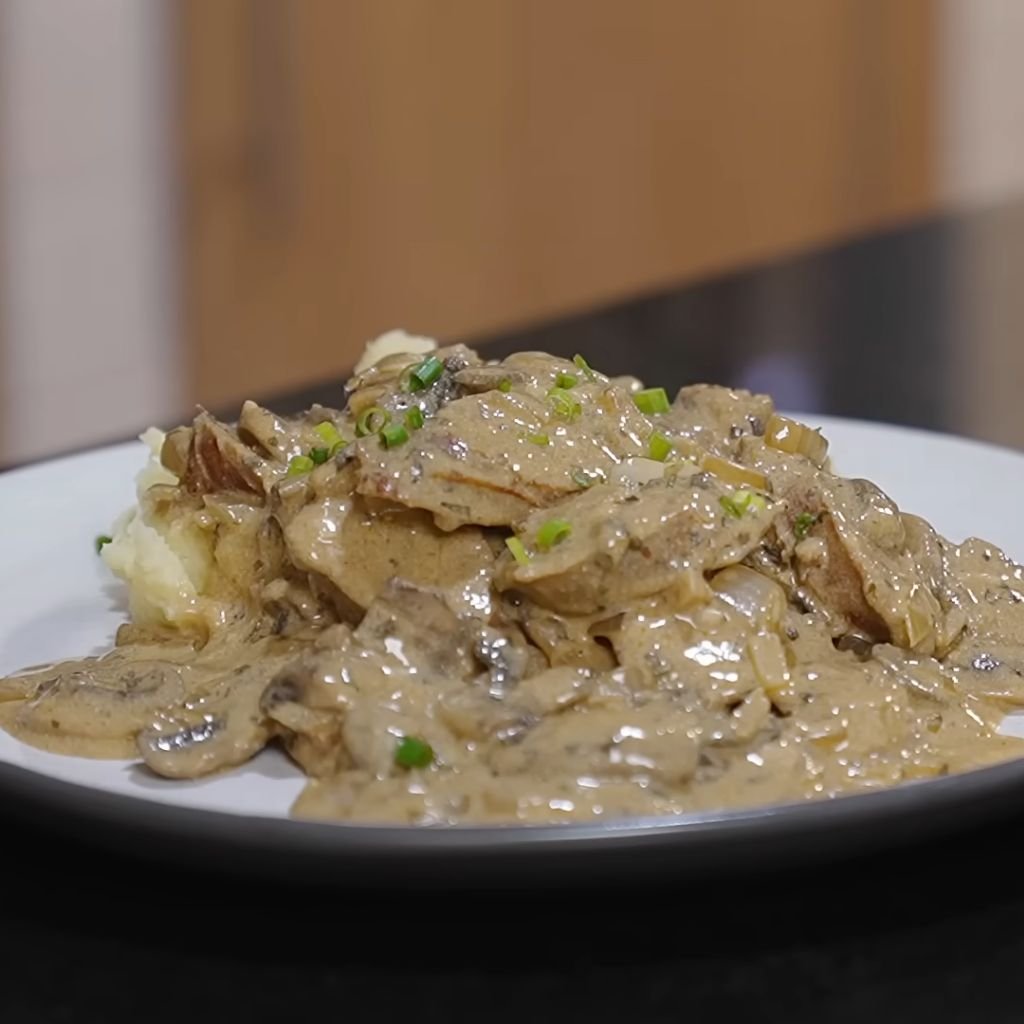
Korv Stroganoff is a weeknight favorite in Swedish homes and one of the most loved traditional Swedish dinner recipes among families with children. Sliced sausage replaces beef in this simplified stroganoff, making it quick to prepare and budget-friendly. The creamy tomato sauce brings everything together beautifully. Serve over rice or with pasta for a complete dinner.
Ingredients
- 500g (1.1 lbs) Swedish-style sausage (or frankfurters/wieners), sliced into rounds
- 1 large onion, diced
- 2 tablespoons tomato paste
- 1 teaspoon paprika
- 200ml (¾ cup) sour cream or crème fraîche
- 100ml (scant ½ cup) heavy cream
- 1 teaspoon Dijon mustard
- Salt and pepper to taste
- 1 tablespoon butter
- Fresh parsley for garnish
Instructions
Melt the butter in a wide skillet or sauté pan over medium heat. Add the diced onion and cook for about 5 minutes, stirring occasionally, until soft and just starting to turn golden at the edges. Push the onion to one side of the pan and add the sliced sausage. Let the sausage pieces cook undisturbed for about 2 minutes so the cut sides can develop a slight golden color, then stir them together with the onion.
Add the tomato paste and paprika and stir to coat the sausage and onion evenly. Cook the tomato paste for about 1 to 2 minutes — this step removes the raw taste and deepens the color of the sauce. You will notice the mixture starting to stick very slightly to the pan; that is fine and adds flavor.
Pour in the heavy cream first and stir to loosen everything from the bottom of the pan. Let it come to a gentle simmer. Reduce the heat to medium-low and spoon in the sour cream or crème fraîche. Stir gently and continuously as you add it — too much heat can cause sour cream to separate, so keep the heat low during this step. Add the Dijon mustard and stir again. Let the sauce simmer gently for about 5 to 7 minutes, stirring occasionally, until it thickens slightly and everything is coated in the creamy, tangy, deep orange sauce.
Taste and season with salt and pepper. The sausage and tomato paste both add saltiness, so taste before adding more. Once seasoned to your liking, remove from the heat and scatter fresh parsley over the top. Serve immediately over cooked white rice or buttered egg noodles.
6. Gravlax (Cured Salmon)
Prep Time: 20 minutes | Cure Time: 48 hours | Serves: 6–8
Gravlax is cured salmon prepared with salt, sugar, and fresh dill — no cooking involved. The salt and sugar draw moisture from the fish and replace it with bright, herby flavor over two days in the fridge. Among traditional Swedish dinner recipes, this one is special because it feels luxurious but costs very little effort. Slice it thin and serve with mustard sauce and crispbread.
Ingredients
- 800g (1.75 lbs) fresh salmon fillet, skin on, pin bones removed
- 3 tablespoons coarse sea salt
- 2 tablespoons sugar
- 1 teaspoon white pepper, coarsely ground
- Large bunch of fresh dill, roughly chopped (about 40g)
- Zest of ½ lemon (optional)
For serving:
- Crispbread or rye bread
- Swedish mustard or Dijon mustard
- Lemon wedges
- Fresh dill sprigs
Instructions
Start by checking the salmon fillet carefully for any remaining pin bones. Run your fingers along the flesh side of the salmon and use tweezers or small pliers to pull out any bones you find. They come out easily if you pull in the direction they are pointing. Removing all bones makes serving much smoother.
In a small bowl, mix together the coarse salt, sugar, and ground white pepper until combined. This is your cure mixture. Lay a large sheet of plastic wrap on your counter — large enough to fully wrap the salmon twice over.
Place the salmon skin-side down in the center of the plastic wrap. Scatter about one-third of the chopped dill directly over the flesh side of the fish. Then sprinkle the entire salt and sugar cure mixture evenly over the dill and flesh, making sure to cover every part of the surface, including the sides. Do not be afraid — the cure looks like a lot but the fish absorbs what it needs and the rest washes off before serving. Add the lemon zest if using and press it gently into the cure. Scatter the remaining dill over the top of the cure layer in a generous, even coat.
Fold the plastic wrap over the salmon tightly, pressing out as much air as possible. Wrap it a second time in another layer of plastic wrap so it is fully sealed. Place the wrapped salmon in a shallow dish to catch any liquid that may seep out during curing. Place a second plate or small cutting board on top and weight it down with a couple of heavy cans or jars. The weight presses the cure into the flesh and helps the curing process.
Refrigerate for 48 hours. Every 12 to 24 hours, carefully unwrap the salmon, turn it over, rewrap, and return to the fridge with the weights. This ensures both sides cure evenly. After 48 hours, unwrap the salmon, rinse off the cure, dill, and any excess liquid under cold running water. Pat the fillet completely dry with paper towels.
To serve, use a long, sharp knife to slice the salmon as thinly as possible at a shallow angle, working toward the tail. The slices should be nearly translucent. Arrange on a platter with crispbread, a spoonful of mustard, lemon wedges, and fresh dill. Gravlax keeps in the fridge for up to 4 days after curing.
7. Pickled Herring (Sill)
Prep Time: 20 minutes | Marinate Time: 24–48 hours | Serves: 6
Pickled herring is a cornerstone of Swedish food culture and appears on nearly every festive table. Matjes herring (pre-brined herring fillets) are marinated in a sweet, vinegary brine loaded with onion, carrot, and spices. The flavor is tangy, slightly sweet, and deeply savory. Among classic traditional Swedish dinner recipes, this one is always present at midsummer and Christmas.
Ingredients
- 400g (14 oz) matjes herring fillets (ready-to-use, available at Scandinavian delis or online)
- 150ml (⅔ cup) white wine vinegar
- 100ml (scant ½ cup) water
- 100g (½ cup) sugar
- 1 small red onion, thinly sliced
- 1 carrot, thinly sliced into rounds
- 1 teaspoon whole allspice berries
- 1 teaspoon mustard seeds
- 2 bay leaves
- 5 to 6 white peppercorns
Instructions
Begin by making the pickling brine. Combine the white wine vinegar, water, and sugar in a small saucepan over medium heat. Stir as the mixture heats until the sugar fully dissolves — this takes about 2 to 3 minutes. Remove from the heat and let the brine cool completely to room temperature. Do not add the herring to warm brine as it will soften the texture too much.
While the brine cools, rinse the matjes herring fillets under cold water and pat them dry. Slice them into bite-sized pieces, roughly 3 to 4 centimeters wide.
Once the brine is fully cooled, layer the herring pieces, sliced red onion, sliced carrot, allspice berries, mustard seeds, bay leaves, and peppercorns in a clean glass jar or shallow container with a tight-fitting lid. Pour the cooled brine over everything. The brine should fully submerge the herring and vegetables. If needed, press the ingredients down gently with a spoon and add a little more brine.
Seal the jar or container and place it in the refrigerator. Let the herring marinate for at least 24 hours before serving — 48 hours gives an even deeper, more rounded flavor. The longer it sits (up to one week), the more developed the taste becomes. Serve cold, straight from the jar, alongside boiled potatoes, sour cream, crispbread, and chives for a traditional Swedish presentation.
8. Creamy Salmon with Dill
Prep Time: 10 minutes | Cook Time: 25 minutes | Serves: 4
Fresh salmon fillets are pan-seared and finished in a bright, creamy dill sauce that feels elegant but comes together fast. The dill sauce is tangy from a splash of lemon and rich from cream, making it the perfect partner for the rich salmon. One of the most popular everyday traditional Swedish dinner recipes in modern Swedish homes.
Ingredients
- 4 salmon fillets, about 150g each, skin on
- Salt and pepper to taste
- 1 tablespoon butter
- 1 teaspoon olive oil
- 2 garlic cloves, minced
- 200ml (¾ cup) heavy cream
- 1 tablespoon Dijon mustard
- Juice of ½ lemon
- Large handful of fresh dill, roughly chopped
- 1 teaspoon capers (optional)
Instructions
Remove the salmon fillets from the fridge 10 minutes before cooking so they are not ice cold when they hit the pan — cold fish often cooks unevenly, with the outside overdone and the center still raw. Pat each fillet dry with paper towels and season both sides with salt and pepper.
Heat a non-stick or stainless-steel skillet over medium-high heat. Add the butter and olive oil together — the oil helps prevent the butter from burning while still giving you the flavor of butter. Once the pan is hot and the butter is just starting to foam, carefully lay the salmon fillets skin-side down in the pan. Press each fillet down gently with a spatula for the first 10 seconds to prevent the skin from curling. Cook for 4 to 5 minutes without moving them, until the skin is crispy and the flesh has turned opaque about two-thirds of the way up from the bottom. Flip the fillets and cook for 2 to 3 minutes on the flesh side — the salmon should still be just barely pink in the very center. Transfer to a plate and set aside while you make the sauce.
Reduce the heat to medium-low. In the same pan, add the minced garlic and cook for about 30 to 45 seconds, stirring constantly, until it is fragrant but not browned. Pour in the heavy cream and stir, scraping up the flavorful bits from the bottom of the pan. Add the Dijon mustard and lemon juice and stir to combine. Let the sauce simmer gently for 3 to 4 minutes until it thickens slightly and coats a spoon. Add the capers if using and stir in most of the fresh dill, saving some for garnish.
Return the salmon fillets to the pan, spooning the sauce over them. Let them warm through in the sauce for about 1 to 2 minutes. Scatter the remaining fresh dill over the top and serve immediately with boiled new potatoes or steamed rice.
9. Fish Stew (Fiskgryta)
Prep Time: 15 minutes | Cook Time: 30 minutes | Serves: 4
Fiskgryta is a warming, golden-colored fish stew made with a light tomato and cream base, filled with white fish and often some shrimp. It is one of the most nourishing traditional Swedish dinner recipes for cold weather. Saffron gives it a beautiful color and a subtle aromatic depth. Serve with crusty bread for dipping.
Ingredients
- 500g (1.1 lbs) firm white fish (cod, haddock, or pollock), cut into large chunks
- 150g (5 oz) cooked shrimp (optional, added at end)
- 1 medium onion, diced
- 2 garlic cloves, minced
- 1 can (400g) chopped tomatoes
- 300ml (1¼ cups) fish stock or vegetable broth
- 150ml (⅔ cup) heavy cream
- ½ teaspoon saffron threads, soaked in 2 tablespoons hot water
- 1 teaspoon sweet paprika
- Salt and pepper
- 2 tablespoons butter
- Fresh parsley and lemon wedges to serve
Instructions
Melt the butter in a large saucepan or pot over medium heat. Add the diced onion and cook for 5 to 6 minutes, stirring occasionally, until soft and translucent. Add the garlic and paprika and stir for another minute. Pour in the canned tomatoes and the fish stock and stir everything together. Add the saffron along with its soaking liquid and stir to combine. The saffron will gradually turn the broth a beautiful deep golden color.
Bring the broth to a gentle simmer and cook for 10 minutes, letting the flavors meld together and the tomatoes break down slightly. Taste and season with salt and pepper. Pour in the heavy cream and stir gently. Bring back to a low simmer.
Add the fish pieces to the pot in a single layer if possible. Do not stir vigorously — fish breaks apart easily. Gently push the pieces down so they are submerged. Cover the pot partially with a lid and let the fish poach in the simmering broth for about 8 to 10 minutes, depending on the thickness of the pieces. The fish is done when it flakes easily when pressed gently with a fork and has turned opaque all the way through. Add the cooked shrimp in the last 2 minutes of cooking just to warm them through — they are already cooked and only need a short time in the hot broth.
Taste the stew one more time and adjust seasoning. Ladle into deep bowls, scatter parsley over the top, and serve with lemon wedges and thick slices of crusty rye bread or sourdough on the side.
10. Pan-Fried Baltic Herring
Prep Time: 10 minutes | Cook Time: 15 minutes | Serves: 4
Baltic herring — called strömming in Swedish — are small, oily fish that are breaded and pan-fried until crispy. They are quick to cook and packed with flavor. Often served as an open sandwich or with mashed potatoes and lingonberry jam, this dish is one of the most humble yet deeply satisfying traditional Swedish dinner recipes you can make.

Ingredients
- 600g (1.3 lbs) Baltic herring fillets, fresh or frozen and thawed
- 100g (¾ cup) rye flour or plain flour
- 1 teaspoon salt
- ½ teaspoon black pepper
- ½ teaspoon dill (dried)
- 2 tablespoons butter
- 1 tablespoon neutral oil
- Lemon wedges and fresh dill to serve
Instructions
If using frozen herring, thaw the fillets overnight in the fridge and then pat them completely dry with paper towels before cooking. Excess moisture prevents a crispy crust from forming, so this step makes a real difference. Open-butterfly the herring if they are not already filleted — place two fillets flesh-to-flesh to create a neat, matched pair for frying.
In a shallow dish, mix together the flour, salt, pepper, and dried dill. Dredge each herring fillet (or matched pair) in the flour mixture, pressing it lightly so the flour coats every surface. Shake off any excess — a thin, even coating gives the crispiest result. Place the floured fish on a clean plate.
Heat a large skillet over medium-high heat. Add the butter and oil together. When the butter has melted and the foam begins to subside — a sign the pan is hot enough — add the herring fillets flesh-side down. Do not crowd the pan; cook in batches if needed. Fry for about 3 to 4 minutes per side without moving them so a deep golden crust forms. The fish is ready to flip when it releases easily from the pan without sticking. Flip carefully using a thin spatula and fry the other side for another 2 to 3 minutes until equally golden and the flesh is completely cooked through.
Remove from the pan and drain briefly on a piece of kitchen paper. Serve immediately with fresh dill scattered over the top, lemon wedges on the side, and mashed potatoes or buttered rye bread underneath.
11. Hasselback Potatoes
Prep Time: 15 minutes | Cook Time: 50 minutes | Serves: 4
Hasselback potatoes originated in Stockholm and have become one of Sweden’s most iconic side dishes. Each potato is sliced almost all the way through in thin, even cuts, then roasted with butter until the layers fan out into crispy, golden strips on top while the inside stays fluffy. Simple and striking, they fit into both everyday and festive traditional Swedish dinner recipes perfectly.
Ingredients
- 8 medium-sized potatoes, similar in size and shape
- 3 tablespoons butter, melted
- 1 tablespoon olive oil
- 1 teaspoon salt
- ½ teaspoon black pepper
- 2 garlic cloves, thinly sliced (optional)
- Fresh thyme or rosemary (optional)
Instructions
Preheat the oven to 220°C (425°F). Wash and scrub the potatoes thoroughly — you can leave the skin on, which adds texture and flavor.
Place one potato at a time on a wooden spoon or between two chopsticks laid on a cutting board. This acts as a guide to stop your knife from cutting all the way through. Make a series of parallel cuts along the length of the potato, spacing them about 3 to 4 millimeters apart, cutting as far down as the spoon or chopsticks will allow. Each cut should go about three-quarters of the way through the potato. The goal is to create many thin slices that stay connected at the base, so the potato fans out during roasting.
Once all potatoes are cut, place them on a parchment-lined baking tray, cut-side up. If using garlic slices, tuck a thin sliver into every second or third slot. Mix together the melted butter and olive oil and brush generously over each potato, working the butter into the cuts with the brush. Season with salt and pepper.
Roast in the oven for 45 to 50 minutes. After the first 25 minutes, brush the potatoes again with the remaining butter and oil mixture — by this point the cuts will have opened up more and the butter can reach deeper into the gaps. This second basting is the key to getting beautifully crispy, deeply golden edges. Return to the oven for the remaining cooking time. The potatoes are ready when they look like a fan of golden chips and a skewer inserted into the thickest part meets no resistance. The edges should be crunchy, the inside soft. Add a sprig of thyme or rosemary in the last 10 minutes for extra fragrance if you like. Serve directly from the tray.
12. Swedish Potato Dumplings (Kroppkakor)
Prep Time: 30 minutes | Cook Time: 30 minutes | Serves: 4
Kroppkakor are large, doughy potato dumplings stuffed with a savory filling of fried pork or bacon and onion. They are boiled until soft and served with butter, cream, and lingonberry jam. Among traditional Swedish dinner recipes, this one is old-fashioned in the best possible way — hearty, filling, and deeply comforting on a cold day.
Ingredients
- 1kg (2.2 lbs) floury potatoes, boiled, peeled, and mashed while hot
- 150g (1¼ cups) all-purpose flour, plus extra for dusting
- 1 egg yolk
- 1 teaspoon salt
For the filling:
- 150g (5 oz) smoked bacon or pork, finely diced
- 1 small onion, finely diced
- ½ teaspoon ground allspice
- Salt and pepper
To serve:
- Melted butter
- Heavy cream or sour cream
- Lingonberry jam
Instructions
Start by making the filling. Fry the diced bacon or pork in a dry skillet over medium heat until the fat renders and the pieces are lightly golden, about 5 to 6 minutes. Add the diced onion to the pan and cook together for another 4 to 5 minutes until the onion is soft and starting to caramelize slightly. Season with allspice, salt, and pepper. Remove from the heat and let the filling cool completely before using — hot filling will melt the potato dough and make it impossible to shape.
For the dough, mash the hot boiled potatoes as smoothly as possible, ensuring there are no lumps. Let the mash cool until it is warm but comfortable to handle. Add the flour, egg yolk, and salt to the warm mash and mix together with your hands until a soft dough forms. It will be slightly sticky. Add a tablespoon more flour if the dough is too soft to shape, but try not to add too much — a softer dough makes for lighter, more tender dumplings.
Flour a clean work surface. Take a golf-ball-sized piece of dough, roughly the size of your fist, and flatten it in your palm into a disc about 8 to 9 centimeters wide. Place a heaped teaspoon of the cooled filling in the center of the disc. Bring the edges of the dough up and around the filling, pressing them together to seal completely with no gaps. Roll the dumpling gently between your palms into a smooth ball. Repeat with the remaining dough and filling. You should get about 8 to 10 dumplings.
Bring a large pot of well-salted water to a boil. Gently lower the dumplings in with a slotted spoon, a few at a time. Do not overcrowd the pot. Boil for 12 to 15 minutes — they are ready when they float to the surface and feel firm when gently pressed. Lift them out with a slotted spoon and drain briefly. Serve hot with a drizzle of melted butter, a spoonful of cream or sour cream, and lingonberry jam on the side.
13. Creamed Potatoes with Dill
Prep Time: 10 minutes | Cook Time: 25 minutes | Serves: 4
Creamed potatoes with dill are one of Sweden’s most beloved side dishes and a frequent guest alongside fish and meat in traditional Swedish dinner recipes. Small new potatoes are boiled and then finished in a light cream sauce with masses of fresh dill. The result is buttery, fragrant, and completely irresistible.
Ingredients
- 800g (1.75 lbs) small new potatoes or baby potatoes
- Salt for boiling
- 2 tablespoons butter
- 150ml (⅔ cup) heavy cream
- Large handful of fresh dill, roughly chopped
- Salt and white pepper to taste
Instructions
Scrub the potatoes clean but leave the skins on — new potato skins are thin and tender and add flavor and texture. Place the potatoes in a large saucepan and cover with cold water by about 3 centimeters. Add a generous pinch of salt and bring to a boil over high heat. Once boiling, reduce the heat to medium and cook for 15 to 18 minutes, depending on size, until a knife pierces them easily all the way through with no resistance. Drain the potatoes into a colander.
Return the empty saucepan to medium-low heat and add the butter. Let it melt gently without browning. Pour in the cream and stir to combine with the butter. Let the cream mixture come to a very gentle simmer — bubbles should barely break the surface. Season the cream with a little salt and white pepper.
Add the drained potatoes back into the saucepan and toss them gently in the cream and butter mixture so they are evenly coated. Let them sit in the cream over low heat for 3 to 4 minutes, turning occasionally, until the sauce clings lightly to the potato skins and reduces very slightly. Add the fresh dill and toss again gently. Taste one more time and adjust the seasoning. The dish should taste of butter, cream, and dill all at once. Serve immediately while hot and fragrant.
14. Potato Pancakes (Raggmunk)
Prep Time: 15 minutes | Cook Time: 30 minutes | Serves: 4
Raggmunk are crispy Swedish potato pancakes made from grated raw potato mixed into a simple batter. They fry up golden and crispy on the outside with a soft, tender middle. These are traditionally served with fried bacon and lingonberry jam, making them one of the most comforting traditional Swedish dinner recipes for a simple weeknight meal.
Ingredients
- 600g (1.3 lbs) raw potatoes, peeled and coarsely grated
- 2 eggs
- 150ml (⅔ cup) milk
- 75g (⅔ cup) all-purpose flour
- 1 teaspoon salt
- ½ teaspoon white pepper
- 2 tablespoons butter for frying
To serve:
- Crispy fried bacon strips
- Lingonberry jam
Instructions
After grating the raw potatoes, place them in a clean kitchen towel and wring out as much liquid as possible. This step is very important — excess moisture in the batter makes the pancakes steam instead of fry, resulting in soggy rather than crispy raggmunk. Squeeze firmly and keep squeezing until the towel feels only slightly damp.
In a large bowl, beat the eggs and milk together. Add the flour, salt, and pepper and whisk into a smooth batter. Add the squeezed grated potato and stir everything together until the potato is fully incorporated and the batter is thick.
Heat a large skillet over medium heat and add one tablespoon of butter. Once the butter is melted and foaming, add two to three large spoonfuls of batter per pancake — they should be about 10 to 12 centimeters across. Flatten each one slightly with the back of the spoon. Cook undisturbed for about 4 to 5 minutes until the bottom is deep golden brown. Peek at the underside by lifting one edge — it should look truly golden, not pale yellow. Flip each pancake carefully and cook the second side for another 3 to 4 minutes. The edges should look crispy and the center should feel firm to the touch. Transfer to a warm plate lined with paper towels. Add more butter to the pan as needed and repeat with the remaining batter.
Fry the bacon strips separately in the same pan until crispy. Serve the raggmunk warm with bacon on top and lingonberry jam generously spooned on the side.
15. Janssons Temptation (Janssons Frestelse)
Prep Time: 20 minutes | Cook Time: 55 minutes | Serves: 4–6
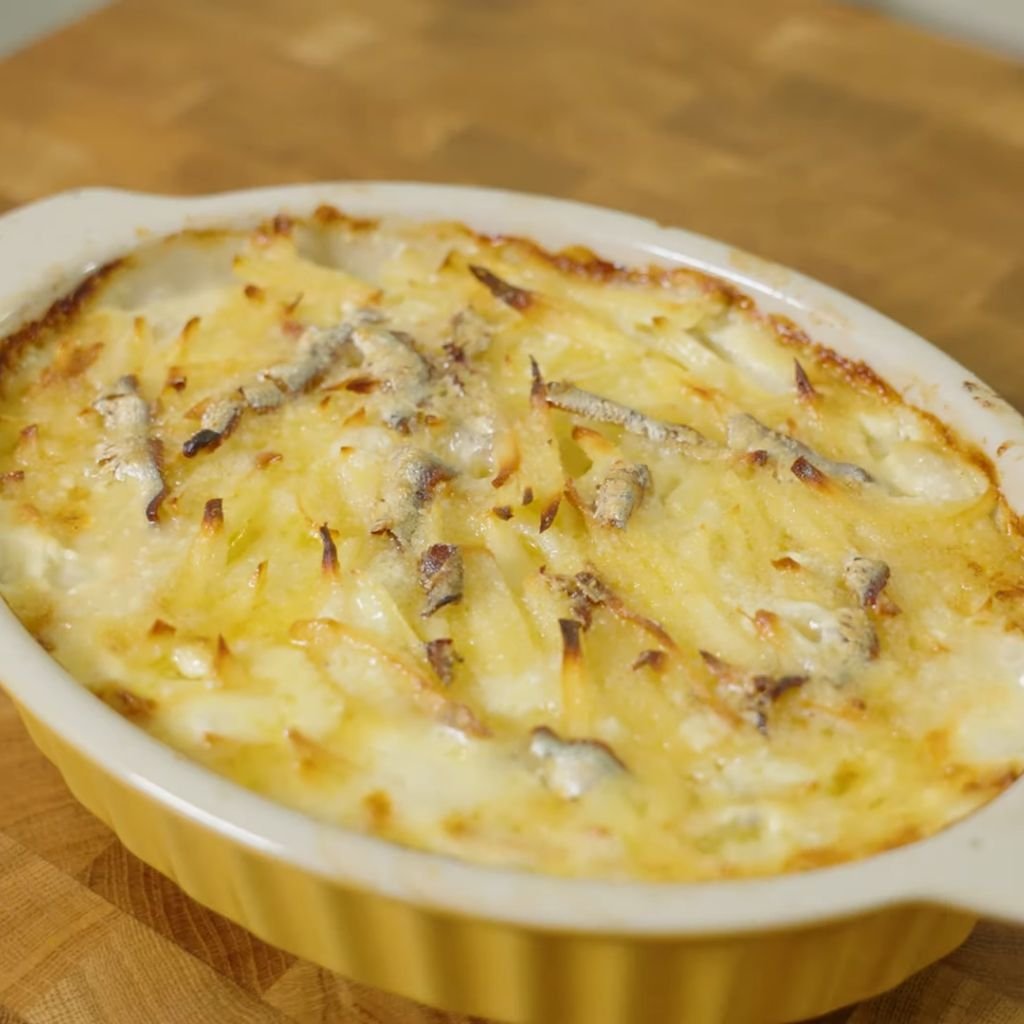
Janssons Frestelse is a classic Swedish gratin made from thin strips of potato, onion, and Swedish anchovy-style sprats (ansjovis), all baked together in cream until bubbling and golden. The anchovies melt into the cream as the dish bakes, creating a savory, subtly salty depth that is hard to stop eating. It is one of the most essential traditional Swedish dinner recipes, especially during the Christmas season.
Ingredients
- 800g (1.75 lbs) potatoes, peeled and cut into thin matchsticks
- 2 large onions, thinly sliced
- 1 can (125g) Swedish ansjovis (sprats in brine) — not Italian anchovies
- 350ml (1½ cups) heavy cream
- 2 tablespoons butter
- Salt and white pepper
Instructions
Preheat the oven to 200°C (390°F). Butter a medium baking dish generously.
Peel and slice the potatoes into thin matchsticks, about 3 to 4 millimeters thick. Keep them in cold water as you work to prevent browning, then drain and pat dry before using.
In a skillet over medium heat, melt one tablespoon of butter. Add the sliced onions and cook gently for about 8 to 10 minutes, stirring regularly, until completely soft and slightly golden. Do not rush this — softening the onions before baking prevents them from having a raw, sharp bite in the finished dish.
Layer half of the potato matchsticks in the buttered baking dish in an even layer. Season lightly with white pepper — hold back on salt at this stage since the ansjovis add plenty of saltiness. Scatter the softened onions evenly over the potato layer. Arrange the ansjovis sprats over the onion layer, spacing them evenly across the dish. Reserve a small spoonful of the brine from the can and drizzle it over the filling for extra flavor. Add the remaining potato matchsticks on top in an even layer and season again lightly with pepper. Dot the remaining tablespoon of butter across the top surface.
Pour the heavy cream slowly over the dish, allowing it to seep down through the layers. It should come about two-thirds of the way up the dish. Cover with foil and bake for 30 minutes. Remove the foil and continue baking for 20 to 25 minutes until the top is golden brown in spots, the cream is bubbling, and the potatoes are completely tender when pierced with a knife. Let the dish rest for 5 minutes before serving. Scoop generous portions directly from the dish.
16. Root Vegetable Stew
Prep Time: 20 minutes | Cook Time: 35 minutes | Serves: 4
Sweden’s cold-season vegetables shine in this hearty stew. Parsnips, carrots, swede (rutabaga), and potato simmer in a spiced broth until tender and deeply flavored. This vegetarian dish feels every bit as satisfying as a meat-based one and belongs proudly among traditional Swedish dinner recipes for plant-based cooks.
Ingredients
- 2 medium carrots, diced
- 1 small parsnip, diced
- ½ small swede (rutabaga), peeled and diced
- 2 medium potatoes, diced
- 1 medium onion, diced
- 2 garlic cloves, minced
- 800ml (3⅓ cups) vegetable broth
- 1 teaspoon caraway seeds
- 1 teaspoon dried thyme
- 1 bay leaf
- Salt and pepper
- 1 tablespoon butter or olive oil
- Fresh parsley to finish
Instructions
Heat the butter or oil in a large saucepan over medium heat. Add the diced onion and cook for 5 minutes until soft. Add the garlic and caraway seeds and stir for one minute until fragrant. Add all the diced vegetables — carrots, parsnip, swede, and potato — and stir to coat them in the butter and spices.
Pour in the vegetable broth. Add the thyme and bay leaf. Bring to a boil, then reduce to a steady simmer. Cook uncovered for 25 to 30 minutes, stirring occasionally, until all the vegetables are completely tender and the broth has reduced slightly and thickened from the starch in the potatoes. Taste and season with salt and pepper. Remove the bay leaf.
For a slightly thicker stew, mash a few of the potato and swede pieces against the side of the pot with the back of a spoon and stir them into the broth. This creates a natural, starchy thickness without adding any flour or cream. Scatter fresh parsley over the finished stew and serve in deep bowls with crusty bread or rye crispbread.
17. Cabbage Rolls (Vegetarian Version)
Prep Time: 30 minutes | Cook Time: 1 hour | Serves: 4
Swedish cabbage rolls — kåldolmar — are traditionally made with ground meat, but this vegetarian version uses a savory mix of rice, mushrooms, and lentils inside the soft cabbage leaves. Baked in a light tomato sauce, these are deeply satisfying and fit naturally into a collection of traditional Swedish dinner recipes.
Ingredients
- 1 large green cabbage
- 150g (¾ cup) cooked brown rice
- 150g (5 oz) mushrooms, finely chopped
- 100g (½ cup) cooked green lentils
- 1 small onion, finely diced
- 2 garlic cloves, minced
- 1 egg (or flax egg for fully vegan)
- ½ teaspoon ground allspice
- Salt and pepper
- 1 tablespoon butter or oil
For the sauce:
- 1 can (400g) chopped tomatoes
- 200ml (¾ cup) vegetable broth
- 1 tablespoon lingonberry jam or redcurrant jelly
- Salt and pepper
Instructions
Fill a large pot with water and bring to a boil. Core the cabbage carefully with a sharp knife, cutting out a cone-shaped section from the base. Lower the whole cabbage into the boiling water and cook for 3 to 4 minutes until the outer leaves start to soften and loosen. Use tongs to peel off the soft outer leaves one by one and set them flat on a clean towel. Return the cabbage to the boiling water each time you need more leaves softened. You need about 10 to 12 good-sized leaves. Pat them dry and trim away the thick central rib of each leaf with a sharp knife so they roll more easily.
Sauté the mushrooms and onion in butter or oil over medium-high heat for 6 to 8 minutes until the mushrooms are golden and all the liquid has evaporated. Add the garlic and cook for another minute. Remove from the heat and let cool slightly. Combine the mushroom mixture with the cooked rice, lentils, egg, allspice, salt, and pepper in a bowl and mix well.
Preheat the oven to 180°C (355°F). Place a cabbage leaf on your work surface. Add a generous spoonful of filling near the stem end of the leaf. Fold in the sides, then roll the leaf up tightly like a small parcel. Place seam-side down in a buttered baking dish. Repeat until all the filling is used.
Mix together the chopped tomatoes, vegetable broth, and lingonberry jam or redcurrant jelly. Season with salt and pepper. Pour the sauce over the cabbage rolls, covering them evenly. Cover the dish with foil and bake for 45 to 50 minutes until the rolls are heated through and the sauce is bubbling around the edges. Remove the foil for the last 10 minutes of baking to concentrate the sauce. Serve straight from the dish with a spoonful of sauce over each roll.
18. Mushroom and Potato Bake
Prep Time: 15 minutes | Cook Time: 45 minutes | Serves: 4
Layers of thinly sliced potato alternate with sautéed mushrooms and onion in this simple vegetarian gratin. Baked in cream with a hint of thyme, it is rich, golden, and completely satisfying. This is one of those traditional Swedish dinner recipes that proves you do not need meat to make a deeply comforting meal.
Ingredients
- 700g (1.5 lbs) potatoes, peeled and thinly sliced
- 300g (10.5 oz) mixed mushrooms, sliced
- 1 large onion, thinly sliced
- 2 garlic cloves, minced
- 250ml (1 cup) heavy cream
- 100ml (scant ½ cup) vegetable broth
- 1 teaspoon dried thyme
- Salt and pepper
- 2 tablespoons butter
- 50g (½ cup) grated cheese (optional, for topping)
Instructions
Preheat the oven to 190°C (375°F). Butter a medium baking dish.
Melt the butter in a large skillet over medium-high heat. Add the mushrooms in a single layer — do not stir immediately. Let them cook undisturbed for 2 to 3 minutes so they start to brown on the bottom. Stir and cook for another 4 to 5 minutes until golden and all the moisture has evaporated. Add the onion and cook for another 5 minutes until soft. Add the garlic and thyme and cook for one more minute. Season with salt and pepper and remove from the heat.
Arrange a third of the potato slices in the bottom of the buttered dish, overlapping slightly. Season lightly with salt. Spread half of the mushroom mixture over the potatoes. Add another layer of potato, season, and spread the remaining mushrooms on top. Finish with the final layer of potato, arranged neatly.
Mix together the cream and broth and pour over the dish. The liquid should come to just below the top potato layer. If adding cheese, scatter it over the top. Cover tightly with foil.
Bake for 30 minutes covered, then remove the foil and bake for another 15 minutes until the top is golden brown and the potatoes are completely tender when tested with a knife. Let rest for 5 minutes before serving.
19. Beetroot Salad
Prep Time: 15 minutes | Cook Time: 0 minutes (if using pre-cooked beets) | Serves: 4
Swedish beetroot salad is a classic side dish that pairs with almost everything on a Swedish table. Cooked beets are sliced and dressed in a tangy vinaigrette with apple, red onion, and caraway. The result is earthy, sweet, and slightly sharp — a perfect accompaniment to both meat and fish in traditional Swedish dinner recipes.
Ingredients
- 4 medium cooked beets (about 400g), peeled and diced
- 1 small apple, peeled and finely diced
- ½ small red onion, very finely diced
- 1 tablespoon red wine vinegar
- 1 tablespoon olive oil
- 1 teaspoon sugar
- ½ teaspoon caraway seeds (optional)
- Salt and pepper
- Fresh parsley or chives to garnish
Instructions
If starting with raw beets, wrap them individually in foil and roast at 200°C (390°F) for 50 to 60 minutes until completely tender when pierced with a skewer. Let them cool, then peel by rubbing the skin off with your hands under running water. The skin slips off easily once roasted. Dice the cooked beets into even 1 cm cubes.
In a small bowl, whisk together the red wine vinegar, olive oil, sugar, salt, and pepper until the sugar dissolves and the dressing is emulsified. Taste it — it should be tangy with a touch of sweetness.
Place the diced beets, apple, and red onion in a serving bowl. Add the caraway seeds if using. Pour the dressing over and toss gently to coat everything evenly without breaking up the beet pieces. Let the salad sit for 10 to 15 minutes at room temperature before serving so the flavors can meld. Scatter parsley or chives over the top. The salad can be made up to a day ahead and kept in the fridge, covered — the flavor actually improves overnight.
20. Creamy Spinach with Nutmeg
Prep Time: 5 minutes | Cook Time: 15 minutes | Serves: 4
Creamy spinach with nutmeg is a classic Swedish side dish, simple and fast to make. Fresh spinach wilts down into a rich, nutmeg-scented cream sauce that pairs beautifully with pan-fried fish, grilled meat, or eggs. It adds a lush green element to traditional Swedish dinner recipes and takes less than 20 minutes from start to plate.
Ingredients
- 500g (1.1 lbs) fresh spinach, washed
- 1 garlic clove, minced
- 150ml (⅔ cup) heavy cream
- ¼ teaspoon freshly grated nutmeg
- Salt and white pepper
- 1 tablespoon butter
Instructions
Melt the butter in a large skillet or wide saucepan over medium heat. Add the minced garlic and cook for about 30 seconds, stirring constantly, until just fragrant. Do not let it brown.
Add the washed spinach in large handfuls, pressing it down as it wilts. If the pan seems very full, add half first, let it wilt down, then add the rest. Toss the spinach with tongs or a spatula as it cooks. The whole batch will wilt down in about 3 to 4 minutes. Once all the spinach has wilted, use a clean kitchen towel or press the spinach against a sieve to squeeze out as much excess liquid as possible — this prevents the final dish from being watery.
Return the squeezed spinach to the pan over medium-low heat. Pour in the heavy cream and stir to combine. Let the cream simmer gently with the spinach for about 4 to 5 minutes, stirring occasionally, until the cream thickens slightly and coats the spinach in a rich, clinging sauce. Season generously with salt, white pepper, and the freshly grated nutmeg. Nutmeg is the defining flavor of this dish — be generous, but taste as you go. The spinach should taste creamy, savory, and warmly spiced. Serve immediately.
21. Yellow Pea Soup (Ärtsoppa)
Prep Time: 10 minutes | Cook Time: 1 hour 15 minutes | Serves: 4–6
Ärtsoppa has been eaten in Sweden for centuries and is traditionally served on Thursdays with mustard and crispbread. Made from yellow split peas and often flavored with smoked pork, this thick, filling soup is one of the most iconic traditional Swedish dinner recipes in the entire country. Simple, cheap, and deeply comforting.
Ingredients
- 400g (2 cups) dried yellow split peas, rinsed
- 300g (10.5 oz) smoked pork or ham hock
- 1 large onion, diced
- 2 garlic cloves, minced
- 1.5 liters (6 cups) water or light chicken broth
- 1 teaspoon dried thyme
- 1 teaspoon dried marjoram
- Salt and white pepper
To serve:
- Swedish yellow mustard
- Crispbread
Instructions
Rinse the yellow split peas under cold running water and check for any small stones or debris. No soaking is required for split peas, which makes this soup faster to prepare than many legume-based dishes. Set the peas aside.
Place the smoked pork or ham hock in a large pot. Cover with the water or light broth and bring to a boil over medium-high heat. Once boiling, reduce to a medium simmer and cook for 20 minutes. Skim off any foam or impurities that rise to the surface during this time — this keeps the soup clear and clean-tasting.
Add the rinsed split peas, diced onion, minced garlic, thyme, and marjoram to the pot. Stir everything together, bring back to a simmer, then reduce the heat to medium-low. Cover the pot partially with a lid and cook for 50 to 60 minutes, stirring every 15 minutes, until the peas have completely dissolved into the broth and the soup has become thick and creamy. The peas should lose their individual shape and blend seamlessly into the liquid.
Remove the smoked pork from the pot. When cool enough to handle, pull the meat off the bone and shred or chop it into bite-sized pieces. Return the meat to the soup and stir to combine. If the soup is thicker than you like, add a little more water or broth and stir over low heat until it reaches your preferred consistency. Season with salt and white pepper — the smoked pork will have already added saltiness, so taste carefully before adding more. Ladle into deep bowls and serve hot with a small spoonful of yellow Swedish mustard stirred into each bowl and crispbread on the side.
22. Swedish Cabbage Soup
Prep Time: 15 minutes | Cook Time: 35 minutes | Serves: 4
Swedish cabbage soup is a clean, nourishing broth-based soup packed with tender cabbage, potato, and carrot. It is mild, warming, and deeply satisfying in the most understated way. Often made with a small amount of smoked sausage or eaten fully vegetarian, this simple soup belongs firmly in the category of everyday traditional Swedish dinner recipes.
Ingredients
- ½ medium green cabbage, coarsely chopped
- 2 medium potatoes, diced
- 2 carrots, sliced into rounds
- 1 medium onion, diced
- 150g (5 oz) smoked sausage or kielbasa, sliced (optional)
- 1.2 liters (5 cups) vegetable or chicken broth
- 1 tablespoon butter
- 1 teaspoon caraway seeds
- Salt and pepper
- Fresh parsley to finish
Instructions
Melt the butter in a large pot over medium heat. Add the diced onion and cook for 4 to 5 minutes until soft and translucent. Add the caraway seeds and stir for one minute — the heat releases the caraway’s aromatic oils and infuses them into the butter.
Add the sliced carrots and diced potatoes and stir to coat in the butter and caraway mixture. Pour in the broth and bring to a boil. Once boiling, reduce the heat to a gentle simmer and cook for 10 minutes. Add the chopped cabbage to the pot — it will look like a large amount but will wilt down considerably as it cooks. Stir it into the broth, pressing it down below the surface. Add the sausage slices if using. Continue simmering for another 15 to 20 minutes until the cabbage is completely tender, the potatoes are soft, and the sausage is heated through.
Taste the soup and season with salt and pepper. The broth should be light and savory, with the caraway giving it a distinctive, slightly anise-like warmth. Ladle into wide bowls and scatter fresh parsley over each serving. Serve with thick slices of rye bread or crispbread spread with butter.
23. Creamy Mushroom Soup
Prep Time: 10 minutes | Cook Time: 25 minutes | Serves: 4
Swedish forests are full of wild mushrooms in autumn, and this creamy mushroom soup captures that season in a bowl. Made with a generous amount of mushrooms, a splash of cream, and a hint of thyme, this velvety soup is rich without being heavy. Among warming traditional Swedish dinner recipes, it stands out as an elegant starter or a satisfying light dinner.
Ingredients
- 500g (1.1 lbs) mushrooms (button, chestnut, or mixed), sliced
- 1 small onion, diced
- 2 garlic cloves, minced
- 700ml (3 cups) vegetable or chicken broth
- 200ml (¾ cup) heavy cream
- 1 teaspoon dried thyme
- 1 tablespoon butter
- Salt and pepper
- Fresh chives or parsley to garnish
Instructions
Melt the butter in a large saucepan over medium-high heat. Once the foam subsides, add the sliced mushrooms in a single layer as much as possible. Cook undisturbed for 3 minutes so they brown on the bottom, then stir and cook for another 3 to 4 minutes until deeply golden and all the moisture has cooked off. Browning the mushrooms rather than steaming them is the single most important step for maximum flavor depth in this soup.
Push the mushrooms to one side of the pan, reduce heat to medium, and add the diced onion to the empty side. Cook the onion for 4 to 5 minutes until soft, then stir everything together. Add the garlic and thyme and cook for one minute more.
Pour in the broth and bring to a gentle boil. Reduce to a simmer and cook for 10 minutes so all the flavors come together. Remove the pot from the heat and use a hand blender to blend the soup until completely smooth and silky. Alternatively, blend it in batches in a regular blender, taking care with the hot liquid. Return the blended soup to the pot over medium-low heat and pour in the heavy cream. Stir and simmer gently for 3 to 4 minutes until the cream is fully incorporated and the soup is velvety and smooth. Season generously with salt and pepper. Ladle into bowls and finish with a small swirl of cream and a scattering of fresh chives.
24. Lentil and Root Vegetable Soup
Prep Time: 15 minutes | Cook Time: 40 minutes | Serves: 4
Red lentils dissolve into this hearty, golden soup as they cook, thickening it naturally without any added starch. Paired with root vegetables, cumin, and a squeeze of lemon, this dish is deeply nourishing and completely plant-based. Among plant-forward traditional Swedish dinner recipes, this one is easy to make, budget-friendly, and filling enough for a full dinner.
Ingredients
- 200g (1 cup) red lentils, rinsed
- 2 carrots, diced
- 1 medium parsnip, diced
- 1 medium onion, diced
- 2 garlic cloves, minced
- 1 teaspoon ground cumin
- ½ teaspoon turmeric
- 1 liter (4¼ cups) vegetable broth
- Juice of ½ lemon
- Salt and pepper
- 1 tablespoon olive oil or butter
- Fresh parsley to finish
Instructions
Heat the oil or butter in a large pot over medium heat. Add the diced onion and cook for 5 minutes until soft. Add the garlic, cumin, and turmeric and stir for one minute until fragrant — the spices will toast very lightly in the oil, which deepens their flavor and gives the soup its warm golden color.
Add the diced carrots and parsnip and stir to coat them in the spiced oil. Pour in the vegetable broth and bring the soup to a boil. Add the rinsed red lentils and stir to combine. Reduce the heat to medium and simmer uncovered for 25 to 30 minutes, stirring occasionally. The red lentils will gradually dissolve and thicken the soup naturally — you do not need to blend this soup unless you prefer a completely smooth texture.
Once the lentils have fully broken down and the vegetables are completely tender, squeeze in the lemon juice and stir. The lemon brightens the whole bowl and balances the earthiness of the lentils and root vegetables. Taste and season well with salt and pepper. If the soup is thicker than you like, add a splash more broth and stir over the heat. Ladle into bowls and scatter fresh parsley over the top. Serve with rye bread or flatbread.
25. Chicken and Vegetable Stew
Prep Time: 15 minutes | Cook Time: 45 minutes | Serves: 4
A wholesome, gently spiced chicken stew with leek, carrot, potato, and fresh dill to finish. This is a gentle, light-flavored stew that nourishes without weighing you down. Among warming traditional Swedish dinner recipes, this one has a clean, simple taste that works for all ages and feels like home cooking at its very best.
Ingredients
- 600g (1.3 lbs) chicken thighs (boneless, skinless), cut into large chunks
- 2 medium potatoes, diced
- 2 carrots, sliced
- 1 leek, sliced into rounds
- 1 celery stalk, sliced
- 800ml (3⅓ cups) chicken broth
- 150ml (⅔ cup) heavy cream
- 1 bay leaf
- 1 teaspoon dried thyme
- Salt and pepper
- 1 tablespoon butter
- Fresh dill to finish
Instructions
Season the chicken pieces generously with salt and pepper. Heat the butter in a large pot or Dutch oven over medium-high heat. Add the chicken pieces in a single layer and sear for 2 to 3 minutes per side until lightly golden on the outside — they do not need to be cooked through at this stage. Remove the chicken from the pot and set aside.
Lower the heat to medium. In the same pot, add the sliced leek and celery. Cook for 3 to 4 minutes, stirring occasionally, until the leek softens and starts to turn translucent. Add the sliced carrot and diced potato and stir to combine with the leek.
Pour in the chicken broth, add the bay leaf and thyme, and bring to a gentle boil. Return the seared chicken pieces to the pot. Reduce the heat to low, cover the pot with a lid, and simmer for 25 to 30 minutes until the chicken is completely cooked through and tender, and the vegetables are soft. Stir once or twice during cooking. Remove the bay leaf.
Pour in the heavy cream and stir gently. Let the stew simmer uncovered for 5 more minutes to allow the cream to warm through and slightly reduce, giving the broth a silky, light body. Taste and adjust seasoning with salt and pepper. Ladle into bowls and scatter generous amounts of fresh dill over the top. Serve with crusty bread or a side of boiled rice.
Serving Suggestions & Pairings
Swedish dinners are built around balance, and the right accompaniments make every dish even better.
1. Classic side dishes complement almost every recipe on this list. Boiled or creamed potatoes are the most traditional pairing for meat and fish dishes. Lingonberry jam (lingonsylt) appears alongside meatballs, potato pancakes, and cabbage rolls, adding a tart sweetness that cuts through rich flavors. A simple cucumber salad pickled in vinegar, sugar, and dill is another staple side that refreshes the palate between bites.
2. Bread options are an important part of the Swedish table. Crispbread (knäckebröd) is the most traditional choice — thin, crunchy, and perfect for spreading with butter. Dark rye bread (rågbröd) is denser and more filling and pairs especially well with pickled herring, gravlax, and soups. A soft homemade sandwich loaf also works well for lighter meals.
3. Beverage pairings for Swedish dinners can be alcohol-free and still feel festive. Cold lingonberry juice (lingondricka) is one of the most traditional non-alcoholic choices and pairs well with meatballs and potato dishes. Sparkling water with a slice of lemon is clean and refreshing with fish dishes. A warm cup of black tea with a thin slice of rye bread is a comforting end to a Swedish dinner. For festive occasions, elderflower cordial diluted with sparkling water is a lovely, fragrant choice that feels special.
Conclusion
Traditional Swedish dinner recipes are a reminder that good cooking does not have to be complicated. Swedish food is built on fresh, seasonal ingredients, smart preservation techniques, and the kind of care that turns a simple meal into something worth sitting down for.
From the iconic köttbullar rolling in their creamy gravy to a bowl of golden ärtsoppa steaming on a cold evening, each dish tells a story about a country that learned to cook with what the land and sea could offer.
The beauty of this cuisine is in its honesty. There are no elaborate garnishes or hard-to-find ingredients in most of these recipes — just good food made with attention and warmth. Potatoes, dill, cream, herring, root vegetables, and hearty broths repeat across the menu because they work, and Swedes have known that for a very long time.
Pick two or three recipes from this list and cook them on the same evening for a proper Swedish dinner spread. Try the gravlax a day ahead so it is ready at the table, make a pot of ärtsoppa on a Thursday the way Swedes traditionally do, or bake a tray of Janssons Frestelse for your next gathering.
Each recipe you try brings you closer to understanding what makes Swedish food so enduringly comforting. The tradition is simple, the flavors are honest, and every meal is an invitation to slow down and enjoy the table.