
Indian food is one of the most loved cuisines in the world — and for good reason. Delicious Indian dinner recipes bring bold flavors, comforting aromas, and hearty meals to your table every night.
From creamy curries to smoky grilled dishes, Indian cuisine covers it all. Each meal is a mix of warming spices, fresh vegetables, and rich sauces that make dinner feel special.
Indian dinners are not just tasty — they are also filling and nutritious. You get a great balance of protein, fiber, and healthy fats in every bite.
Whether you love meat dishes or prefer vegetables, there is always something new to try.
These recipes work great for regular weeknight meals and big family gatherings alike. Once you start cooking Indian food at home, you will want to make it again and again.

Why Indian Dinner Recipes Are Loved Around the World
Delicious Indian dinner recipes have fans everywhere — from home cooks to top chefs. Here is why so many people love them:
1. Rich Flavors and Aromatic Spices — Indian cooking uses spices like cumin, turmeric, garam masala, and coriander to build deep, layered flavors. Every dish has its own unique smell and taste that keeps you coming back for more.
2. Variety of Vegetarian and Non-Vegetarian Options — Indian cuisine has something for everyone. Meat lovers enjoy dishes like Butter Chicken and Lamb Rogan Josh. Vegetarians get amazing choices like Paneer Butter Masala, Dal Makhani, and Chole Masala.
3. Healthy and Wholesome Meal Choices — Many Indian dishes use lentils, legumes, fresh vegetables, and whole spices. These ingredients are naturally good for your body. Dishes like Palak Paneer, Sambar, and Rajma Curry are packed with nutrients.
4. Suitable for Everyday Dinners and Special Occasions — Quick weeknight dinners like Jeera Rice and Aloo Gobi are easy to make in under 30 minutes. At the same time, dishes like Hyderabadi Chicken Biryani and Malai Kofta are perfect for parties and celebrations.
1. Butter Chicken
Prep Time: 20 minutes | Cook Time: 40 minutes | Serves: 4
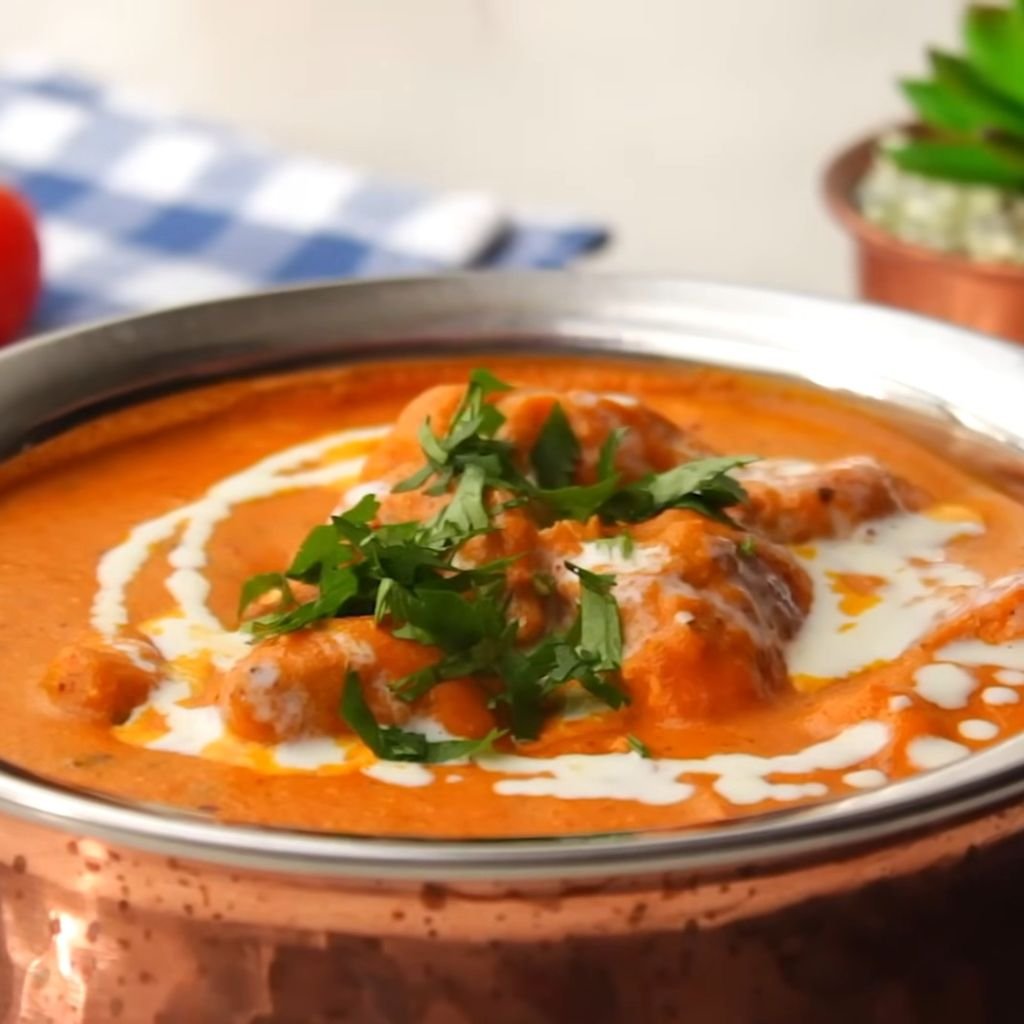
Butter Chicken is one of the most popular delicious Indian dinner recipes around the world. Tender chicken pieces sit in a velvety, mildly spiced tomato-cream sauce that is rich without being heavy. It pairs perfectly with naan or steamed rice and is a great starting point for anyone new to Indian cooking.
Ingredients
- 1.5 lbs (700g) boneless chicken, cut into pieces
- 1 cup plain yogurt
- 2 tsp ginger-garlic paste
- 1 tsp red chili powder
- 1 tsp cumin powder
- Salt to taste
- 2 tbsp oil
For the Sauce:
- 2 tbsp butter
- 1 large onion, finely chopped
- 2 tsp ginger-garlic paste
- 4 medium tomatoes, pureed
- 1 tsp red chili powder
- 1 tsp coriander powder
- 1 tsp garam masala
- 1/2 tsp turmeric
- 1/2 cup heavy cream
- 1 tbsp sugar (optional)
- Salt to taste
- Fresh cilantro for garnish
Instructions
Start by marinating the chicken. In a large bowl, add the chicken pieces along with yogurt, ginger-garlic paste, red chili powder, cumin powder, and salt. Mix everything well so every piece is fully coated. Cover the bowl with plastic wrap or a lid and place it in the refrigerator. Let the chicken marinate for at least 2 hours. For the best results, marinate overnight. The yogurt helps tenderize the meat and the spices go deep into the chicken.
When you are ready to cook, heat oil in a large pan or skillet over medium-high heat. Once the oil is hot, add the marinated chicken pieces in a single layer. Cook them for about 5 to 6 minutes on each side until they get a nice brown color on the outside. You do not need to cook them all the way through at this stage. Remove the chicken from the pan and set aside on a plate.
In the same pan, lower the heat to medium and add the butter. Once the butter melts, add the chopped onions. Stir and cook the onions for 8 to 10 minutes until they turn soft and golden brown. This step is important because well-cooked onions give the sauce a sweet, deep base. Add the ginger-garlic paste and stir for 2 minutes until the raw smell goes away.
Now add the tomato puree to the pan. Stir well and let it cook on medium heat for about 10 minutes. You will see the oil start to separate from the tomato mixture — that is your sign that the tomatoes are fully cooked. Add the red chili powder, coriander powder, turmeric, and salt. Stir all the spices into the sauce and cook for another 3 to 4 minutes.
Add the partially cooked chicken pieces back into the sauce. Stir gently to coat each piece. Pour in about 1/2 cup of water, cover the pan, and let everything simmer on low heat for 15 minutes. The chicken will finish cooking and soak up all the flavor from the sauce.
Pour in the heavy cream and stir gently. Add garam masala and check the salt. If the sauce tastes too tangy from the tomatoes, add a small spoon of sugar to balance the flavor. Let the curry simmer on low heat for 5 more minutes without the lid. The sauce will thicken and turn a beautiful deep orange color.
Turn off the heat and garnish with fresh cilantro. Your Butter Chicken is ready to serve.
Serving Suggestions
Serve hot with garlic naan, plain naan, or steamed basmati rice. A side of cucumber raita and a squeeze of lemon juice on top makes it even better.
Pro Tips
- Marinating overnight makes the chicken much more tender and flavorful.
- Use kasuri methi (dried fenugreek leaves) — crush a small amount and stir in at the end for a restaurant-style taste.
- For a smoky flavor, use a charcoal smoking method before adding cream.
2. Chicken Tikka Masala
Prep Time: 25 minutes | Cook Time: 35 minutes | Serves: 4
Chicken Tikka Masala is a classic that belongs on every list of delicious Indian dinner recipes. Juicy grilled chicken pieces are cooked in a smooth, tangy tomato-based masala sauce. The charred edges of the chicken add a smoky contrast to the creamy sauce. It looks and tastes like something from a restaurant, but you can easily make it at home.
Ingredients
For the Chicken Tikka:
- 1.5 lbs boneless chicken, cubed
- 1 cup yogurt
- 2 tsp ginger-garlic paste
- 1 tsp red chili powder
- 1 tsp cumin powder
- 1 tsp coriander powder
- 1/2 tsp turmeric
- 1 tbsp lemon juice
- Salt to taste
- Oil for grilling
For the Masala Sauce:
- 2 tbsp oil or butter
- 1 large onion, chopped
- 2 tsp ginger-garlic paste
- 4 large tomatoes, pureed
- 1 tsp red chili powder
- 1 tsp coriander powder
- 1 tsp garam masala
- 1/2 cup heavy cream
- Salt to taste
- Fresh cilantro for garnish
Instructions
Begin with the chicken tikka. Mix yogurt, ginger-garlic paste, red chili powder, cumin powder, coriander powder, turmeric, lemon juice, and salt in a bowl. Add the chicken cubes and coat them completely. Marinate for at least 1 hour in the refrigerator, or up to overnight for deeper flavor.
When ready, thread the marinated chicken onto skewers. Heat a grill pan or oven broiler to high heat. Brush with oil and cook the chicken skewers for 4 to 5 minutes per side until you see charred grill marks and the chicken is cooked through. If using a broiler, place the rack close to the top heating element and broil for about 10 to 12 minutes, turning once midway. Set the cooked tikka aside.
For the masala sauce, heat oil or butter in a deep pan over medium heat. Add the chopped onions and cook for 8 to 10 minutes, stirring often, until they are golden. Add ginger-garlic paste and fry for 2 minutes. Pour in the tomato puree and stir well. Cook on medium heat for about 10 minutes until the tomatoes thicken and the oil starts to float on top.
Lower the heat and add red chili powder, coriander powder, and salt. Stir for 2 minutes so the spices cook into the sauce. Add the grilled chicken tikka pieces into the sauce and stir gently. Pour in about 1/3 cup of water, cover, and simmer for 10 minutes.
Stir in the heavy cream and garam masala. Let the curry cook uncovered for 5 more minutes until the sauce reaches a creamy, medium-thick consistency. Taste and adjust salt as needed.
Turn off heat, garnish with cilantro, and serve immediately.
Serving Suggestions
Chicken Tikka Masala is best served with butter naan, jeera rice, or plain basmati rice. Add a side of sliced onions with lemon juice for a fresh contrast.
Tips
- Char the chicken well — those slightly burnt edges add a smoky depth to the final dish.
- Use full-fat yogurt for marinating to get juicier chicken.
- A pinch of kasuri methi crushed and stirred in at the end adds an authentic touch.
3. Paneer Butter Masala
Prep Time: 15 minutes | Cook Time: 30 minutes | Serves: 4
Paneer Butter Masala is the vegetarian answer to Butter Chicken — and it is just as satisfying. Soft cubes of paneer (Indian cottage cheese) are simmered in a buttery, mildly spiced tomato sauce. The texture is silky, the color is vibrant, and every bite is packed with warmth and flavor. Great for any night of the week.
Ingredients
- 400g paneer, cut into cubes
- 2 tbsp butter
- 1 tbsp oil
- 1 large onion, chopped
- 2 tsp ginger-garlic paste
- 4 medium tomatoes, pureed
- 1 tsp red chili powder
- 1 tsp coriander powder
- 1/2 tsp turmeric
- 1 tsp garam masala
- 1/2 cup cream or cashew paste
- 1 tsp sugar (optional)
- Salt to taste
- Kasuri methi (dried fenugreek leaves) — 1 tsp, crushed
- Fresh cilantro for garnish
Instructions
Heat oil and butter together in a pan over medium heat. Add the chopped onions and cook for 8 to 10 minutes, stirring regularly, until they are light golden. Add ginger-garlic paste and fry for 2 minutes until the raw smell disappears.
Add the tomato puree to the pan. Stir well and cook on medium heat for about 10 to 12 minutes. The sauce should thicken and you will notice the butter and oil separating from the tomatoes — this means the base is cooked properly. Add red chili powder, coriander powder, turmeric, and salt. Stir everything together and cook for another 3 minutes.
If you want a very smooth sauce, let the mixture cool slightly and blend it in a blender before returning it to the pan. This step is optional but gives it a silky, restaurant-style texture.
Add the paneer cubes to the sauce. Gently stir so each piece gets coated. Pour in 1/3 cup of water and let the curry simmer on low heat for 10 minutes. The paneer will absorb the sauce and become even more flavorful.
Stir in the cream or cashew paste and add garam masala. Crush the kasuri methi between your palms and sprinkle it in. Stir gently and let everything cook together on low heat for 5 more minutes. Add sugar if the sauce tastes too tangy.
Garnish with fresh cilantro and serve hot.
Serving Suggestions
Serve with garlic naan, roti, or steamed rice. A simple green salad or cucumber slices on the side adds a nice fresh balance.
Tips
- Lightly pan-fry the paneer in butter before adding to the sauce. It gives the paneer a golden crust and a slightly nutty taste.
- Do not overcook the paneer — it becomes rubbery if simmered too long.
- Cashew paste (soaked and blended cashews) can replace cream for a richer, slightly nutty flavor.
4. Dal Makhani
Prep Time: 10 minutes (plus overnight soaking) | Cook Time: 60 minutes | Serves: 4–5
Dal Makhani is slow-cooked black lentils in a creamy, buttery tomato sauce. This dish is a staple in North Indian restaurants and homes. The slow cooking process makes the lentils incredibly soft and rich. Among the many delicious Indian dinner recipes out there, Dal Makhani stands out for its deep, smoky flavor and velvety texture.
Ingredients
- 1 cup whole black lentils (urad dal), soaked overnight
- 1/4 cup kidney beans (rajma), soaked overnight
- 3 tbsp butter
- 1 tbsp oil
- 1 large onion, finely chopped
- 2 tsp ginger-garlic paste
- 3 medium tomatoes, pureed
- 1 tsp red chili powder
- 1 tsp coriander powder
- 1/2 tsp turmeric
- 1 tsp garam masala
- 1/3 cup heavy cream
- Salt to taste
- Fresh cilantro and a drizzle of cream to finish
Instructions
Drain the soaked lentils and kidney beans. Place them in a pressure cooker with enough water to cover by at least 2 inches. Add a pinch of salt. Cook on high pressure for 25 to 30 minutes, or until both the lentils and beans are completely soft and easy to mash between your fingers. If using a regular pot, simmer for 2 to 2.5 hours, adding water as needed to keep them submerged.
Once the lentils are cooked, set them aside. You want them to be very soft — almost mushy. Slightly mash a portion of them with the back of a spoon to help thicken the final dish.
In a separate large pot, heat butter and oil over medium heat. Add the onions and cook for 10 to 12 minutes until they are deep golden brown. This long cooking time is key — deeply caramelized onions give Dal Makhani its rich flavor base. Add ginger-garlic paste and cook for 2 to 3 minutes.
Add the tomato puree. Stir and cook for 12 to 15 minutes until the oil separates from the tomato mixture and the sauce has thickened significantly. Add red chili powder, coriander powder, and turmeric. Stir and cook for 2 more minutes.
Pour the cooked lentils and beans into the tomato-butter base. Stir well to combine everything. Add about 1/2 cup of water to loosen the consistency. Now lower the heat to the lowest setting and let the dal simmer uncovered for at least 30 minutes, stirring every 5 to 10 minutes. The longer it simmers, the more the flavors develop. Traditional Dal Makhani is cooked for 2 to 3 hours on very low heat — patience makes a big difference here.
Add garam masala, heavy cream, and more salt if needed. Stir gently and let everything combine on low heat for a final 10 minutes. The finished dal should be thick, creamy, and a deep reddish-brown color.
Garnish with fresh cilantro and a small drizzle of cream before serving.
Serving Suggestions
Dal Makhani is perfect with butter naan, tandoori roti, or steamed basmati rice. A side of sliced raw onions and a wedge of lemon is the classic accompaniment.
Tips
- The longer you simmer, the better it tastes. Low and slow is the key.
- A small piece of charcoal placed in a small bowl inside the pot and covered for 2 minutes gives the dal a beautiful smoky flavor.
- Use good quality butter — it makes a noticeable difference in the final taste.
5. Palak Paneer
Prep Time: 15 minutes | Cook Time: 25 minutes | Serves: 4
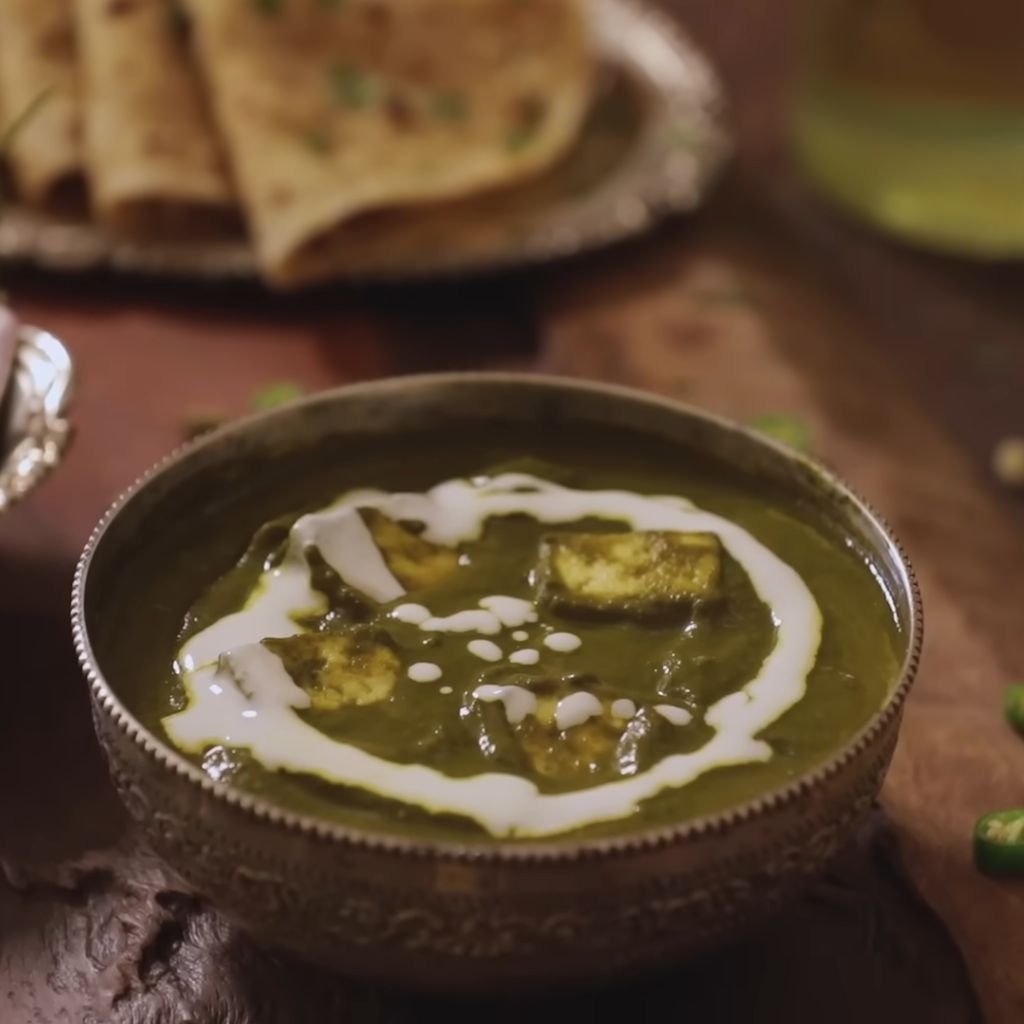
Palak Paneer is a beautiful, vibrant dish made with soft paneer cubes in a creamy spinach sauce. It is one of the most loved vegetarian dishes in India — and once you make it at home, you will understand why. The bright green color, the mild earthiness of spinach, and the richness of the sauce come together in the most satisfying way.
Ingredients
- 400g paneer, cubed
- 500g fresh spinach (palak), washed
- 2 tbsp oil or butter
- 1 medium onion, finely chopped
- 1 tsp ginger-garlic paste
- 2 medium tomatoes, chopped
- 1 green chili (optional)
- 1/2 tsp cumin seeds
- 1/2 tsp turmeric
- 1 tsp coriander powder
- 1/2 tsp garam masala
- 2 tbsp cream (optional)
- Salt to taste
Instructions
Bring a large pot of water to a boil. Add the washed spinach leaves and blanch them for just 2 to 3 minutes — you want them wilted and bright green, not overcooked. Immediately transfer the spinach into a bowl of ice-cold water. This step, called shocking, stops the cooking and keeps the spinach a beautiful vivid green. After 2 minutes in the cold water, drain the spinach and squeeze out excess water. Place the spinach and green chili (if using) in a blender and blend into a smooth puree. Set aside.
Heat oil or butter in a pan over medium heat. Add the cumin seeds and let them sizzle for 30 seconds. Add the chopped onions and cook for 6 to 8 minutes until soft and lightly golden. Add the ginger-garlic paste and fry for 2 minutes.
Add the chopped tomatoes. Cook for 6 to 8 minutes on medium heat until they soften completely and blend into the onion mixture. Add turmeric, coriander powder, and salt. Stir for 2 minutes.
Pour the spinach puree into the pan. Stir well to combine with the tomato-onion base. Add about 1/4 cup of water and let everything simmer together for 5 minutes on medium-low heat. The sauce will become thick and fragrant.
Add the paneer cubes. Stir gently and let the curry cook for another 5 to 7 minutes on low heat. The paneer will soak up the spinach flavors. Stir in the cream and garam masala. Taste and adjust salt. Simmer for 2 more minutes and remove from heat.
Serving Suggestions
Palak Paneer pairs wonderfully with hot roti, paratha, or plain rice. A dollop of butter on top right before serving makes it extra indulgent.
Tips
- Never overcook the spinach — it turns dark and loses its beautiful color.
- Blanching and shocking the spinach in ice water preserves the bright green color.
- Lightly frying the paneer in butter before adding gives it a golden crust and better texture.
6. Chole Masala
Prep Time: 10 minutes (plus overnight soaking) | Cook Time: 45 minutes | Serves: 4
Chole Masala (also called Chana Masala) is a bold, hearty chickpea curry full of earthy spices and robust flavor. Made with dried chickpeas and a fragrant tomato-onion sauce, this is one of those deeply satisfying delicious Indian dinner recipes that fills you up and keeps you going. It is naturally vegan and packed with plant-based protein.
Ingredients
- 2 cups dried chickpeas, soaked overnight (or 2 cans of chickpeas, drained)
- 3 tbsp oil
- 2 large onions, finely chopped
- 2 tsp ginger-garlic paste
- 4 medium tomatoes, pureed
- 2 tsp chole masala powder (or use a mix of cumin, coriander, garam masala)
- 1 tsp red chili powder
- 1 tsp cumin seeds
- 1/2 tsp turmeric
- 1 tsp amchur (dry mango powder) or 1 tbsp lemon juice
- Salt to taste
- Fresh cilantro and ginger julienne for garnish
Instructions
If using dried chickpeas, drain the soaked chickpeas and pressure cook them with water for 20 to 25 minutes until completely soft. Reserve the cooking liquid — you will add it to the curry later for extra flavor. If using canned chickpeas, drain and rinse them before use.
Heat oil in a large pan over medium heat. Add the cumin seeds. When they start to sizzle and pop, add the chopped onions. Cook on medium heat for 12 to 15 minutes, stirring often, until the onions are deep golden brown. This is an important step — deeply fried onions create a rich, almost caramelized base for the sauce.
Add ginger-garlic paste and fry for 2 minutes. Pour in the tomato puree. Cook on medium heat for 10 to 12 minutes until the tomatoes are fully cooked down and the oil starts to separate from the sauce.
Add the chole masala powder, red chili powder, turmeric, and salt. Stir well and cook for 3 to 4 minutes to toast the spices in the oil.
Add the cooked or canned chickpeas into the sauce. Pour in about 1 cup of the reserved cooking liquid or plain water. Stir everything together and let the curry simmer on medium-low heat for 15 to 20 minutes. As it cooks, gently press some chickpeas against the side of the pan with a spoon to crush them slightly — this naturally thickens the sauce without needing any extra thickener.
Add amchur powder or lemon juice. Stir and taste — the curry should have a nice balance of spice and slight tang. Simmer for 5 more minutes, then remove from heat.
Garnish with fresh cilantro and thin slices of ginger.
Serving Suggestions
Chole Masala is traditionally served with bhature (deep-fried bread), puri, or plain rice. It is also great with jeera rice or paratha.
Tips
- Adding a tea bag to the water when cooking the chickpeas gives them a darker color and adds a subtle earthy flavor.
- Mash some chickpeas while cooking to thicken the gravy naturally.
- Amchur powder gives a beautiful tanginess — do not skip it.
7. Rajma Curry
Prep Time: 10 minutes (plus overnight soaking) | Cook Time: 50 minutes | Serves: 4
Rajma Curry is a North Indian kidney bean curry cooked in a thick, spiced tomato-onion gravy. Rich, warming, and incredibly satisfying, this dish is a staple in Punjabi households. Served with rice, it becomes the beloved “Rajma Chawal” — a comfort food that millions of people in India grew up eating.
Ingredients
- 2 cups kidney beans, soaked overnight
- 3 tbsp oil
- 2 large onions, finely chopped
- 2 tsp ginger-garlic paste
- 4 medium tomatoes, pureed
- 1 tsp red chili powder
- 1 tsp coriander powder
- 1/2 tsp turmeric
- 1 tsp garam masala
- 1 tsp cumin seeds
- Salt to taste
- Fresh cilantro for garnish
Instructions
Drain the soaked kidney beans and place them in a pressure cooker with enough fresh water to cover well. Cook for 25 to 30 minutes at high pressure, or until the beans are completely soft and easy to press with your fingers. If a bean holds its shape and does not crush easily, cook for longer. Do not drain the cooking liquid — set the whole pot aside.
Heat oil in a large heavy-bottomed pot over medium heat. Add the cumin seeds and let them crackle for about 30 seconds. Add the onions and cook for 12 to 15 minutes on medium heat until they are very deeply golden. Stir frequently to prevent burning. The deep color of the onions is what gives this curry its characteristic rich flavor.
Add ginger-garlic paste and fry for 2 to 3 minutes. Add the tomato puree and stir well. Cook the tomato mixture on medium heat for 12 to 15 minutes. Keep stirring every few minutes. You want the tomatoes to cook down completely and the oil to visibly separate on top. This tells you the masala base is fully ready.
Add red chili powder, coriander powder, turmeric, and salt. Mix the spices in and fry for 3 more minutes so the spices bloom in the oil.
Add the cooked kidney beans along with their cooking liquid into the masala pot. Stir well to bring everything together. Add a little extra water if needed to reach your desired consistency — Rajma Curry is usually thick but pourable, not dry. Bring to a boil, then reduce heat to low and simmer covered for 20 minutes. This simmering time lets the beans soak up all the flavors from the sauce.
Stir in garam masala and check the salt. Simmer for another 5 minutes uncovered. The curry will thicken further as it sits.
Garnish with fresh chopped cilantro and serve hot.
Serving Suggestions
Rajma is classically served with plain steamed basmati rice — this combination is called Rajma Chawal and is a beloved Indian comfort meal. It is also great with roti or paratha.
Tips
- Never cook kidney beans without soaking overnight — it reduces cooking time and makes them easier to digest.
- Mash a few beans with the back of a spoon while cooking to naturally thicken the gravy.
- A small amount of butter stirred in at the end adds a lovely richness.
8. Vegetable Biryani
Prep Time: 20 minutes | Cook Time: 45 minutes | Serves: 4–5
Vegetable Biryani is a fragrant layered rice dish loaded with vegetables, whole spices, and fresh herbs. Every grain of rice is soaked in flavor and every forkful is packed with color and aroma. Perfect for weekend dinners and festive meals, this one pot wonder is one of the most impressive delicious Indian dinner recipes you can serve to guests.
Ingredients
- 2 cups basmati rice, soaked for 30 minutes
- 2 cups mixed vegetables (carrot, peas, beans, potato, cauliflower)
- 3 tbsp oil or ghee
- 2 large onions, thinly sliced
- 1.5 tsp ginger-garlic paste
- 1 cup yogurt
- 4 medium tomatoes, chopped
- 1 tsp cumin seeds
- 2 bay leaves
- 4 green cardamom pods
- 4 cloves
- 1 cinnamon stick
- 1 tsp red chili powder
- 1 tsp biryani masala
- 1/2 tsp turmeric
- A few saffron strands soaked in 2 tbsp warm milk
- Salt to taste
- Fresh cilantro and mint leaves
- Fried onions for garnish
Instructions
Drain the soaked basmati rice. Bring a large pot of water to a boil. Add salt, a few whole spices (cloves, cardamom), and the rice. Parboil the rice for just 7 to 8 minutes — the grains should be 70% cooked, meaning slightly firm in the center. Drain immediately and spread on a plate to cool slightly. Do not let the rice sit in hot water or it will overcook.
In a heavy-bottomed pot or Dutch oven, heat oil or ghee over medium heat. Fry the sliced onions until they are deep golden and crispy — this takes about 15 to 20 minutes on medium-low heat. Remove half of the fried onions and set aside for garnish.
With the remaining onions in the pot, add ginger-garlic paste and fry for 2 minutes. Add the chopped tomatoes and cook for 6 to 8 minutes until softened. Add red chili powder, biryani masala, turmeric, and salt. Stir and cook for 3 minutes.
Add the mixed vegetables. Stir everything together. Add the yogurt and mix well. Cook on medium heat for 10 minutes until the vegetables are partially tender and the masala has thickened. Taste and adjust salt.
Reduce heat to low. Layer the partially cooked rice over the vegetable masala in the pot. Spread it evenly. Drizzle the saffron milk over the rice. Scatter fresh cilantro, mint, and fried onions on top.
Cover the pot tightly with a lid. If needed, seal the edges with dough or place a heavy weight on top to trap the steam inside. Cook on the lowest heat setting for 20 to 25 minutes. This steam cooking (called “dum”) is what gives biryani its signature fluffy, fragrant finish.
Turn off heat. Let it rest for 5 minutes before opening the lid. Gently mix from the bottom to combine the layers before serving.
Serving Suggestions
Serve Vegetable Biryani with raita (yogurt sauce), a wedge of lemon, and thinly sliced onion. Mirchi ka salan (chili curry) is also a popular side.
Tips
- Parboiling the rice correctly is the most important step — overcooked rice will turn mushy during dum cooking.
- Use a tight lid or seal with dough for proper steam cooking.
- Saffron is worth using — it adds both color and a subtle floral aroma.
9. Hyderabadi Chicken Biryani
Prep Time: 30 minutes | Cook Time: 60 minutes | Serves: 5–6
Hyderabadi Chicken Biryani is the king of all biryanis. It uses the “kachchi” (raw meat) method where marinated chicken and parboiled rice are cooked together under steam. The result is incredibly juicy chicken layered with fragrant, spiced rice. A true showstopper among delicious Indian dinner recipes, especially for special occasions.
Ingredients
For Chicken Marinade:
- 1.5 kg chicken, bone-in pieces
- 1 cup yogurt
- 2 tbsp ginger-garlic paste
- 1 tsp red chili powder
- 1 tsp cumin powder
- 1 tsp biryani masala
- 1/2 tsp turmeric
- 2 tbsp lemon juice
- 1/4 cup fried onions (birista)
- Fresh cilantro and mint — handful each
- Salt to taste
For Rice:
- 3 cups basmati rice, soaked 30 minutes
- Whole spices: bay leaves, cloves, cardamom, cinnamon, star anise
- Salt to taste
For Assembly:
- Ghee — 4 tbsp
- Saffron in 3 tbsp warm milk
- Fried onions (birista) — generous handful
- Fresh mint and cilantro
Instructions
Combine all the marinade ingredients with the chicken pieces in a large bowl. Mix very well so every piece is coated. Cover and refrigerate for at least 4 hours, or preferably overnight. The long marination time is critical for juicy, flavorful chicken — the spices and acid from lemon juice tenderize the meat deeply.
Parboil the soaked rice: bring a large pot of heavily salted water to a rolling boil. Add whole spices and the rice. Cook for 7 to 8 minutes until the rice is about 60 to 70% done — the outside is cooked but the center is still slightly hard when pressed. Drain immediately and spread on a wide tray.
In a large heavy-bottomed pot with a tight lid (traditionally a thick-bottomed vessel called a “deg”), add the marinated chicken and spread it in an even layer at the bottom. Drizzle 2 tablespoons of ghee over the chicken.
Layer the drained parboiled rice over the chicken. Spread evenly. Drizzle the remaining ghee over the rice. Pour the saffron milk over different spots of the rice to create patches of yellow color. Scatter generous amounts of fried onions, fresh mint, and cilantro on top.
Seal the pot very tightly. You can use a flour-water dough to seal the edges of the lid for a complete steam trap — this is called “dum” cooking. Place the pot first on high heat for 5 minutes until you hear steam building inside. Then immediately reduce to the absolute lowest heat possible.
Cook on very low heat for 35 to 40 minutes. The raw chicken at the bottom cooks in its own steam and marinade juices. The rice steams above it, absorbing all the aromas. After 40 minutes, turn off the heat and let the pot rest sealed for another 10 minutes before opening.
When you open the lid, gently stir from the bottom using a wide spatula to mix the layers slightly. The chicken should be fully cooked and the rice perfectly fluffy and each grain separate.
Serving Suggestions
Serve Hyderabadi Chicken Biryani with mirchi ka salan, cooling raita, and sliced onions marinated in lemon juice. A chilled Lassi alongside is traditional.
Tips
- The chicken must be fully marinated — never skip this step.
- Sealing the pot completely for dum is very important — any steam leak will result in undercooked rice.
- Use good quality long-grain basmati rice for the best texture.
10. Jeera Rice
Prep Time: 5 minutes | Cook Time: 20 minutes | Serves: 4
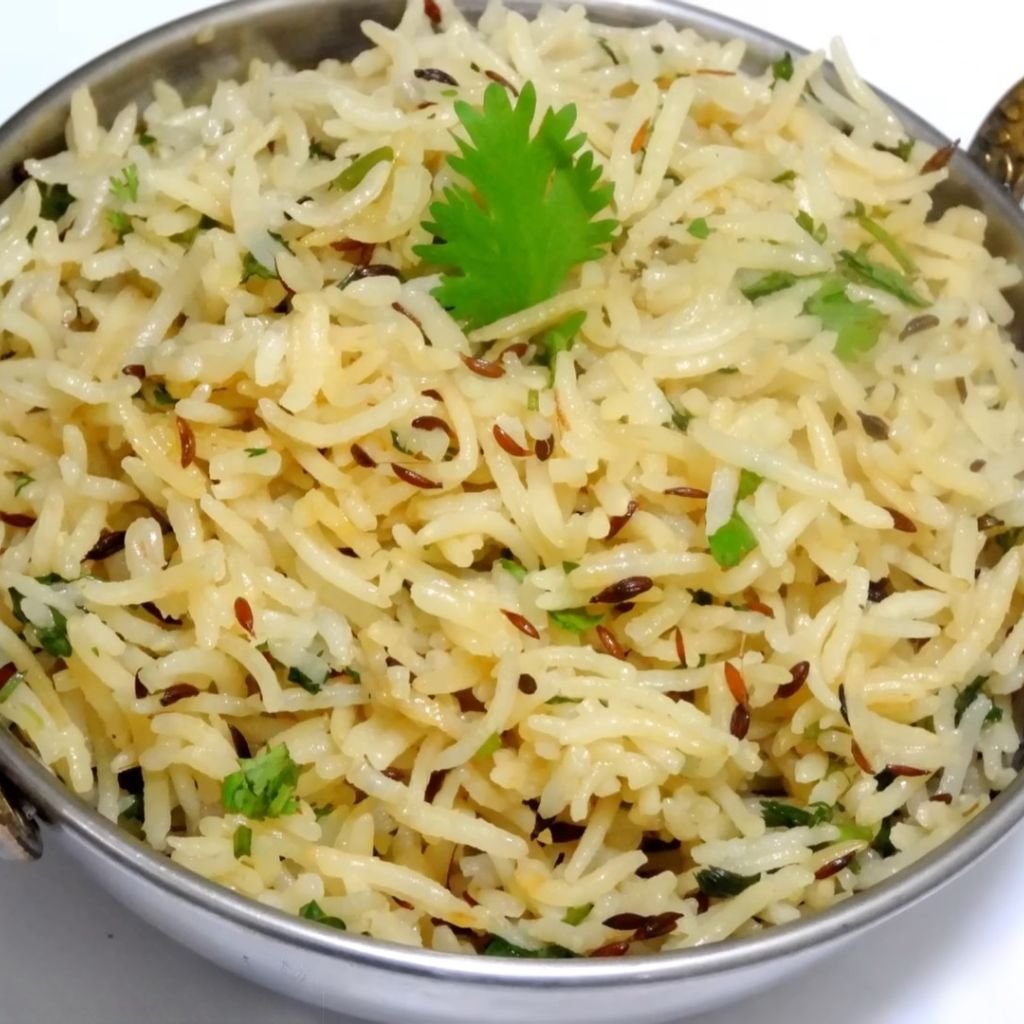
Jeera Rice is simple, fragrant cumin-flavored rice that goes with almost any Indian curry or lentil dish. Made with just a few ingredients, it takes plain steamed rice to a whole new level. Quick, easy, and reliably delicious — it is the perfect base dish for a weeknight Indian dinner.
Ingredients
- 2 cups basmati rice, soaked for 20 minutes
- 2 tbsp ghee or butter
- 1.5 tsp cumin seeds (jeera)
- 1 bay leaf
- Salt to taste
- Water — 3.5 cups
- Fresh cilantro for garnish
Instructions
Drain the soaked basmati rice and set it aside. Soaking is important — it removes extra surface starch and helps the grains cook up long, separate, and fluffy rather than sticky and clumped.
Heat a medium pot or saucepan over medium heat. Add ghee or butter and let it melt. Once hot, add the cumin seeds. Let them sizzle and crackle in the hot ghee for about 45 to 60 seconds. As they crackle, you will notice a beautiful, warm, nutty aroma rising from the pan — that is the cumin toasting and releasing its essential oils. Add the bay leaf and stir for another 20 seconds.
Add the drained rice to the pot. Gently stir for about 2 minutes so each grain of rice is coated in the ghee and cumin mixture. This toasting step helps keep the grains from sticking together during cooking.
Add 3.5 cups of water and salt to taste. Stir once gently to combine. Bring the water to a full boil over high heat. Once it boils, reduce the heat to the lowest setting, cover the pot tightly with a lid, and cook for 15 minutes.
After 15 minutes, turn off the heat completely. Do not open the lid yet — let the rice rest and steam inside the covered pot for another 10 minutes. This resting time is what finishes the cooking and ensures every grain is perfectly cooked through without being mushy.
After 10 minutes of resting, open the lid and gently fluff the rice using a fork. Use light, sweeping movements and work from the edges inward. Avoid pressing down or stirring too aggressively — this breaks the grains.
Remove the bay leaf. Taste and add more salt if needed. Transfer to a serving bowl and garnish with fresh cilantro.
Serving Suggestions
Jeera Rice is a versatile side dish. Serve with Dal Makhani, Butter Chicken, Rajma, or any vegetable curry. It is also wonderful with plain yogurt and pickle on the side.
Tips
- Do not lift the lid while the rice is cooking — the trapped steam is what cooks the rice evenly.
- Using ghee instead of oil gives a much more aromatic result.
- For extra flavor, add 1 to 2 green cardamom pods and a small piece of cinnamon along with the cumin.
11. Matar Paneer
Prep Time: 10 minutes | Cook Time: 30 minutes | Serves: 4
Matar Paneer is a simple, comforting dish of green peas and paneer cooked together in a spiced tomato-onion gravy. It is found in almost every Indian home and restaurant. Quick to make and deeply satisfying, it is perfect for busy weeknights when you want something homemade and hearty.
Ingredients
- 300g paneer, cubed
- 1.5 cups green peas (fresh or frozen)
- 2 tbsp oil or ghee
- 1 medium onion, finely chopped
- 1.5 tsp ginger-garlic paste
- 3 medium tomatoes, pureed
- 1/2 tsp cumin seeds
- 1/2 tsp turmeric
- 1 tsp coriander powder
- 1 tsp red chili powder
- 1/2 tsp garam masala
- Salt to taste
- Fresh cilantro for garnish
Instructions
Heat oil or ghee in a pan over medium heat. Add the cumin seeds and let them crackle for about 30 seconds. Add the chopped onion and cook on medium heat for 7 to 9 minutes, stirring occasionally, until the onion is soft and turns a light golden color.
Add ginger-garlic paste and fry, stirring continuously, for about 2 minutes until the raw smell is completely gone. Add the tomato puree to the pan. Stir everything together well.
Cook the tomato-onion mixture on medium heat for about 8 to 10 minutes. Keep stirring every couple of minutes so it does not stick. The mixture should thicken, turn darker in color, and the oil should start to separate along the edges of the pan.
Add turmeric, coriander powder, red chili powder, and salt. Stir the spices in and cook for 2 to 3 minutes so they fry in the oil and become fragrant.
Add the green peas to the pan. Stir to coat them in the masala. Pour in 3/4 cup of water and stir. Bring to a simmer, cover the pan, and cook for 8 to 10 minutes until the peas are tender. If using frozen peas, they will cook faster — about 5 minutes.
Add the paneer cubes to the pan. Stir gently so you do not break the pieces. Let everything cook together uncovered on low heat for 5 to 7 minutes. The paneer will warm through and soak up the flavors from the sauce.
Sprinkle in garam masala. Stir once and taste — adjust salt as needed. Cook for 2 more minutes and then remove from heat.
Garnish with freshly chopped cilantro and serve hot.
Serving Suggestions
Matar Paneer is best served with warm roti, paratha, or naan. It also goes great with jeera rice or plain steamed basmati rice.
Tips
- For a creamier version, stir in 2 to 3 tablespoons of fresh cream just before turning off the heat.
- Lightly fry the paneer cubes in a little oil or butter before adding to the curry — this gives them a golden crust and prevents them from breaking apart in the sauce.
- Add a pinch of sugar to balance the tomato tanginess.
12. Malai Kofta
Prep Time: 30 minutes | Cook Time: 40 minutes | Serves: 4
Malai Kofta is a rich, festive dish of soft fried dumplings made from paneer and potato, served in a creamy, mildly spiced sauce. It takes a little extra effort to make, but the result is absolutely worth it. This is one of those special delicious Indian dinner recipes that is perfect for celebrations, dinner parties, and holidays.
Ingredients
For the Kofta:
- 250g paneer, grated
- 2 medium potatoes, boiled and mashed
- 2 tbsp cornstarch
- Salt and black pepper to taste
- Oil for frying
For the Sauce:
- 2 tbsp butter or oil
- 1 large onion, chopped
- 1 tsp ginger-garlic paste
- 3 medium tomatoes, pureed
- 10 cashews, soaked in water for 20 minutes
- 1 tsp red chili powder
- 1 tsp coriander powder
- 1/2 tsp garam masala
- 1/3 cup fresh cream
- Salt to taste
- Sugar — a pinch
Instructions
Start by making the kofta dough. In a large bowl, combine grated paneer, mashed potatoes, cornstarch, salt, and pepper. Mix well until a smooth, non-sticky dough forms. The mixture should hold its shape when rolled into a ball. If it feels too soft, add a little more cornstarch.
Divide the dough into equal portions and roll each into a smooth ball — you should get about 12 to 14 pieces. Heat oil in a deep pan over medium heat for deep frying. Once the oil reaches about 350°F (175°C), carefully slide in the kofta balls in batches. Fry for 4 to 5 minutes each, turning gently, until they are evenly golden brown on all sides. Remove with a slotted spoon and drain on paper towels. Set aside.
Now make the sauce. Drain the soaked cashews and blend them with a small amount of water into a very smooth paste. Set aside. Heat butter or oil in a separate pan over medium heat. Add the onions and cook for 8 to 10 minutes until golden. Add ginger-garlic paste and fry for 2 minutes.
Add the tomato puree. Cook on medium heat for 10 minutes until the oil separates. Add red chili powder, coriander powder, and salt. Stir and cook for another 3 minutes.
Add the cashew paste and stir it well into the sauce. Cook for 3 minutes — the sauce will become thicker and creamier. Add about 1/2 cup of water to get a smooth, flowing consistency. Simmer for 5 minutes on low heat.
Stir in the fresh cream and garam masala. Add a pinch of sugar. Let the sauce simmer for 5 more minutes on the lowest heat.
Just before serving, gently place the fried koftas into the sauce. Do not let them cook in the sauce for too long — they can become soggy. Add them about 5 minutes before serving so they warm through without losing their texture.
Garnish with a drizzle of cream and a sprinkle of garam masala.
Serving Suggestions
Malai Kofta is best served with garlic naan or butter roti. Jeera rice is also a great pairing. Serve immediately after adding the koftas to the sauce.
Tips
- Ensure the kofta mixture is firm enough to hold shape during frying — add extra cornstarch if needed.
- Keep the koftas separate from the sauce until serving to prevent sogginess.
- The cashew paste is the secret to the luxurious, creamy sauce — do not substitute it.
13. Aloo Gobi
Prep Time: 10 minutes | Cook Time: 30 minutes | Serves: 4
Aloo Gobi is a classic dry-style Indian dish made with potatoes (aloo) and cauliflower (gobi) cooked with simple, earthy spices. No cream, no heavy sauce — just vegetables cooked until tender and fragrant in a blend of everyday spices. Easy, healthy, and incredibly comforting.
Ingredients
- 2 medium potatoes, peeled and cubed
- 1 small cauliflower, cut into florets
- 3 tbsp oil
- 1 medium onion, finely chopped
- 1 tsp ginger-garlic paste
- 1 tsp cumin seeds
- 1/2 tsp turmeric
- 1 tsp coriander powder
- 1 tsp red chili powder
- 1/2 tsp garam masala
- Salt to taste
- Fresh cilantro for garnish
Instructions
Heat oil in a large pan or wok over medium heat. Add the cumin seeds and let them pop and crackle for about 30 seconds. Add the chopped onions and cook on medium heat for about 7 minutes until they turn soft and slightly golden at the edges.
Add the ginger-garlic paste and stir for 2 minutes. Add turmeric, coriander powder, and red chili powder. Stir the spices into the oil and onion mixture for about 1 minute to toast them.
Add the potato cubes to the pan. Stir well to coat each piece in the spiced oil. Cook the potatoes on medium heat for about 5 to 6 minutes, stirring occasionally, so they start to develop color on their edges.
Add the cauliflower florets. Mix everything together gently so the florets do not break. Add salt and stir once more. Reduce the heat to medium-low. Cover the pan with a lid and cook for 15 to 20 minutes. Stir every 5 minutes to ensure even cooking and to prevent sticking.
The dish is ready when both the potatoes and cauliflower are fully tender and slightly browned. You should be able to pierce them easily with a fork. Remove the lid for the last 3 to 4 minutes of cooking so any excess moisture evaporates and the vegetables get a little more color.
Sprinkle in garam masala and stir. Taste and adjust salt. Cook for 2 more minutes uncovered.
Garnish with fresh chopped cilantro and serve hot.
Serving Suggestions
Aloo Gobi is traditionally served with roti or paratha. It is also great as a side dish alongside dal and rice.
Tips
- Do not add water during cooking — this is a dry dish. The vegetables cook in the oil and their own steam.
- For extra flavor, add a pinch of amchur (dry mango powder) or a squeeze of lemon at the end.
- Covering the pan while cooking ensures the vegetables steam properly from the inside.
14. Bhindi Masala
Prep Time: 10 minutes | Cook Time: 25 minutes | Serves: 4
Bhindi Masala is a delicious stir-fried okra dish cooked with onions, tomatoes, and warming spices. It is quick to prepare and works great as both a main course with roti or as a side dish. Okra lovers will be very happy with this one — it is crispy at the edges, flavorful throughout, and not slimy at all when made the right way.
Ingredients
- 500g okra (bhindi), washed and dried completely
- 2 tbsp oil
- 1 large onion, thinly sliced
- 2 medium tomatoes, chopped
- 1 tsp cumin seeds
- 1/2 tsp turmeric
- 1 tsp coriander powder
- 1 tsp red chili powder
- 1/2 tsp garam masala
- Salt to taste
- 1 tsp amchur powder or a squeeze of lemon
Instructions
The most important first step is making sure the okra is completely dry before cutting. Wash the okra, spread on a clean kitchen towel, and let it air dry for at least 30 minutes. Cutting or cooking wet okra is the main reason it becomes slimy. Once fully dry, cut off the tops and bottoms and slice each piece into about 1-inch lengths.
Heat 1 tablespoon of oil in a large wide pan over medium-high heat. Add the cut okra in a single layer. Do not stir right away — let the okra sit undisturbed for 2 to 3 minutes so it can sear and develop color on the bottom. Then stir and cook for another 5 to 7 minutes until the okra is lightly browned and cooked through. The pieces should look slightly crispy and not wet. Remove from pan and set aside.
In the same pan, add the remaining oil. Add the cumin seeds and let them crackle. Add the sliced onions and cook on medium heat for 7 to 8 minutes until they are golden and soft.
Add the chopped tomatoes. Stir and cook for 5 to 6 minutes until they break down and soften. Add turmeric, coriander powder, red chili powder, and salt. Stir the spices in and cook for 2 minutes.
Add the cooked okra back into the pan. Toss gently to combine with the masala. Cook everything together on medium heat for about 4 to 5 minutes so the flavors meld. Sprinkle in garam masala and amchur powder. Stir once more and taste for salt.
Remove from heat and serve hot.
Serving Suggestions
Serve Bhindi Masala with warm roti, phulka, or paratha. It pairs nicely with a side of yogurt or a simple dal.
Tips
- Completely dry okra before cooking to avoid sliminess.
- Do not cover the pan while cooking okra — steam makes it slimy.
- Cook on medium-high heat and avoid stirring too much for crispy, non-mushy results.
15. Baingan Bharta
Prep Time: 15 minutes | Cook Time: 35 minutes | Serves: 3–4
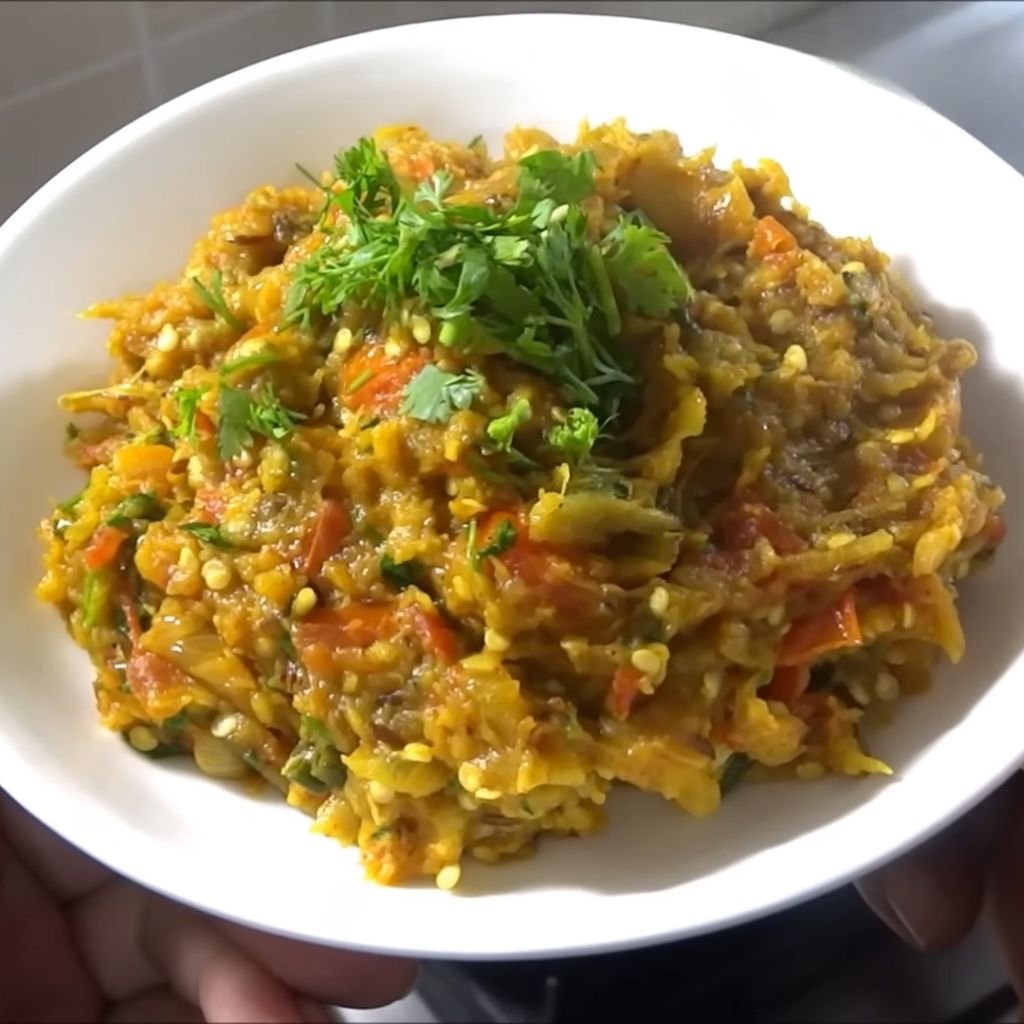
Baingan Bharta is a smoky, rustic dish made from fire-roasted eggplant. The roasted eggplant is mashed and cooked with onions, tomatoes, and spices to create a deeply flavorful, smoky curry. The char from roasting gives this dish a unique flavor that nothing else can replicate. Simple ingredients, big bold results.
Ingredients
- 2 large eggplants (baingan)
- 3 tbsp oil
- 2 medium onions, finely chopped
- 1 tsp ginger-garlic paste
- 3 medium tomatoes, finely chopped
- 1 green chili, finely chopped
- 1/2 tsp turmeric
- 1 tsp coriander powder
- 1 tsp red chili powder
- 1/2 tsp garam masala
- Salt to taste
- Fresh cilantro for garnish
Instructions
Start by roasting the eggplants. You can do this directly over a gas flame or under a broiler. For gas flame roasting, place the whole eggplant directly on the flame, turning it every 2 to 3 minutes with tongs, until the entire skin is charred black and the inside feels completely soft and deflated when pressed. This takes about 12 to 15 minutes for large eggplants. The charred skin is what gives the final dish its signature smokiness — this step cannot be skipped.
Once roasted, place the charred eggplants in a bowl and cover for 5 minutes. This makes peeling easier. Peel off the charred skin completely. Discard the skin and stem. Place the soft, smoky eggplant flesh on a cutting board and chop it roughly. Then mash it with a fork — it should look coarse and stringy, not smooth like a puree. Set aside.
Heat oil in a pan over medium heat. Add the chopped onions and green chili. Cook for 8 to 10 minutes until the onions are soft and golden. Add ginger-garlic paste and fry for 2 minutes.
Add the chopped tomatoes. Cook on medium heat for 8 to 10 minutes, stirring often, until they soften and break down completely. Add turmeric, coriander powder, red chili powder, and salt. Stir and cook for another 3 minutes.
Add the mashed roasted eggplant to the pan. Stir everything together well. Cook on medium heat for 8 to 10 minutes, stirring frequently, so the eggplant soaks up all the masala flavors. The mixture should reduce and dry up a little.
Sprinkle garam masala on top, stir, and cook for 2 more minutes. Taste and adjust salt.
Garnish with plenty of fresh cilantro and serve hot.
Serving Suggestions
Baingan Bharta is traditionally served with roti or naan. A side of sliced raw onions and green chutney complements it perfectly.
Tips
- Roasting directly over an open flame gives the most authentic smoky flavor. A broiler also works but gives slightly less char.
- Taste the roasted eggplant before cooking — it should have a pleasant smoky smell.
- Do not make the eggplant too smooth — some texture is traditional and desirable.
16. Kadai Chicken
Prep Time: 15 minutes | Cook Time: 35 minutes | Serves: 4
Kadai Chicken is a bold, spicy, semi-dry chicken dish cooked in a traditional Indian wok called a “kadai.” It features chunky pieces of chicken with onions, capsicum (bell peppers), and freshly ground spices. The freshly prepared spice blend is what makes this dish taste different from any other chicken curry.
Ingredients
- 1 kg chicken, bone-in pieces
- 3 tbsp oil
- 1 large onion, cubed
- 1 large capsicum (bell pepper), cubed
- 2 tsp ginger-garlic paste
- 3 medium tomatoes, roughly chopped
- 1 tsp red chili powder
- 1/2 tsp turmeric
- Salt to taste
- Fresh cilantro and ginger julienne for garnish
Kadai Masala (fresh grind):
- 2 tbsp coriander seeds
- 1 tbsp cumin seeds
- 3 to 4 dried red chilies
- 1 tsp black pepper corns
- 4 green cardamom pods
Instructions
Make the kadai masala first. Dry roast the coriander seeds, cumin seeds, dried red chilies, black peppercorns, and cardamom pods in a small dry pan over low heat for 2 to 3 minutes, stirring continuously, until they are aromatic and slightly darker. Let them cool completely, then grind into a coarse powder using a spice grinder or mortar and pestle. This freshly ground masala is the heart of this dish.
Heat oil in a kadai or large wok over high heat. Add the chicken pieces. Sear on high heat for 4 to 5 minutes per side without stirring — you want the chicken to develop brown, slightly charred edges. Remove and set aside.
Reduce heat to medium. In the same oil, add the cubed onions and cook for 4 to 5 minutes. Add ginger-garlic paste and fry for 2 minutes. Add the chopped tomatoes and cook for 6 to 8 minutes until they soften. Add red chili powder, turmeric, and salt. Stir and cook for 2 minutes.
Add about two-thirds of the freshly ground kadai masala. Stir it into the sauce. Return the seared chicken to the pan. Stir to coat everything. Add 1/2 cup of water, cover, and cook on medium heat for 15 minutes.
Add the cubed capsicum and remaining kadai masala. Stir and cook uncovered for another 8 to 10 minutes on medium-high heat. The dish should be thick and semi-dry, not saucy. The capsicum should be cooked but still slightly firm.
Taste and adjust salt. Finish with fresh cilantro and thin ginger strips.
Serving Suggestions
Kadai Chicken pairs best with butter naan, laccha paratha, or jeera rice. A side of sliced onions and green chutney adds freshness.
Tips
- Always grind the kadai masala fresh — store-bought masala blends will not give the same flavor.
- Cook on high heat for searing — this adds an important charred, smoky note.
- Bell pepper should be added near the end to keep it slightly crunchy.
17. Chicken Curry
Prep Time: 15 minutes | Cook Time: 40 minutes | Serves: 4
Chicken Curry is the most basic and beloved of all delicious Indian dinner recipes. A simple, warmly spiced curry made with everyday ingredients, this dish is endlessly versatile. Every household has their own version, and every version is delicious. Once you master this base recipe, you can adjust and adapt it endlessly.
Ingredients
- 1 kg chicken, bone-in or boneless, cut into pieces
- 3 tbsp oil
- 2 large onions, finely chopped
- 2 tsp ginger-garlic paste
- 3 medium tomatoes, pureed
- 1 tsp red chili powder
- 1.5 tsp coriander powder
- 1/2 tsp turmeric
- 1 tsp garam masala
- 1 tsp cumin seeds
- Salt to taste
- Fresh cilantro for garnish
Instructions
Heat oil in a large heavy-bottomed pot over medium heat. Add the cumin seeds and let them crackle for 30 seconds. Add the chopped onions. Cook on medium heat for 12 to 15 minutes, stirring often, until the onions are deeply golden brown. Take your time here — this is the most important step. Properly browned onions create the flavorful, rich base that defines a great chicken curry.
Add the ginger-garlic paste. Fry for 2 to 3 minutes until the raw smell disappears. Add the tomato puree and stir well. Cook on medium heat for 10 to 12 minutes, stirring every 2 to 3 minutes. The tomatoes should completely break down and the oil should visibly separate from the mixture.
Add red chili powder, coriander powder, and turmeric. Stir the spices into the oil and cook for 3 minutes so the spices bloom and become fragrant.
Add the chicken pieces. Stir well to coat each piece in the masala. Cook on medium-high heat for 7 to 8 minutes, stirring and turning the chicken pieces. You want the chicken to partially cook and get some color from the masala at this stage.
Add 1 cup of water and salt to taste. Stir well. Bring the curry to a boil, then reduce heat to low. Cover the pot and simmer for 20 to 25 minutes, stirring occasionally. The chicken should be completely cooked through — check by cutting into a thick piece to ensure no pink remains inside.
Remove the lid and cook for 5 more minutes to reduce the sauce slightly. Add garam masala and stir. Taste and adjust salt.
Garnish with fresh cilantro and serve hot.
Serving Suggestions
Chicken Curry is perfect with steamed rice, naan, or roti. A simple onion and tomato salad on the side adds a nice fresh contrast.
Tips
- Bone-in chicken gives more flavor to the curry than boneless.
- Do not rush the onion browning step — it is the foundation of the entire dish.
- Adjust the water quantity based on how thick you want the gravy.
18. Fish Curry
Prep Time: 15 minutes | Cook Time: 25 minutes | Serves: 4
Fish Curry is a light yet deeply flavorful dish that is a staple in coastal Indian homes. Cooked in a tangy, spiced coconut-tomato sauce, this curry has a beautiful balance of heat, sourness, and sweetness. Fresh fish pieces soak up the sauce perfectly and cook quickly, making this an ideal weeknight dinner.
Ingredients
- 700g firm fish fillets (cod, tilapia, or salmon), cut into large pieces
- 3 tbsp oil
- 1 large onion, finely chopped
- 1.5 tsp ginger-garlic paste
- 3 medium tomatoes, pureed
- 1 cup coconut milk
- 1 tsp red chili powder
- 1 tsp coriander powder
- 1/2 tsp turmeric
- 1/2 tsp black pepper
- 1 tsp mustard seeds
- 8 to 10 curry leaves
- 2 tbsp tamarind paste (or lemon juice)
- Salt to taste
- Fresh cilantro for garnish
Instructions
Season the fish pieces with turmeric, salt, and a pinch of red chili powder. Let them sit for 10 minutes while you prepare the sauce.
Heat oil in a large pan over medium heat. Add mustard seeds. Once they start popping, add the curry leaves — they will sizzle and crackle. Add the chopped onions and cook on medium heat for 8 to 10 minutes until golden.
Add ginger-garlic paste and fry for 2 minutes. Add the tomato puree and cook for 8 to 10 minutes until the oil separates and the sauce thickens. Add red chili powder, coriander powder, and black pepper. Stir and cook for 2 minutes.
Pour in the coconut milk and stir gently to combine. Add tamarind paste or lemon juice for tanginess. Stir and bring the sauce to a gentle simmer on medium-low heat. Add about 1/2 cup of water to thin the sauce slightly. Let it simmer for 5 minutes.
Gently slide the fish pieces into the simmering sauce. Do not stir aggressively — fish is delicate and will break apart. Spoon some sauce over the top of each piece. Cover the pan and cook on low heat for 8 to 10 minutes. The fish is ready when it turns opaque all the way through and flakes easily with a fork.
Taste and adjust salt and tanginess. Garnish with fresh cilantro.
Serving Suggestions
Fish Curry is best served with steamed rice. Appam (rice hoppers), idli, or plain parboiled rice are also great South Indian-style accompaniments.
Tips
- Do not overcook fish — it becomes dry and falls apart. Cook just until it turns opaque.
- Use thick, firm fish like cod, tilapia, or kingfish. Delicate fish like sole can break apart too easily.
- Tamarind paste gives an authentic sour note — use it if available.
19. Egg Curry
Prep Time: 10 minutes | Cook Time: 30 minutes | Serves: 4
Egg Curry is one of the quickest and most budget-friendly of all delicious Indian dinner recipes. Hard-boiled eggs are cooked in a rich, spiced tomato-onion gravy. The eggs absorb the curry flavors beautifully and the dish comes together in about 30 minutes. Perfect for days when you need a satisfying meal fast.
Ingredients
- 6 hard-boiled eggs, peeled
- 3 tbsp oil
- 2 large onions, finely chopped
- 1.5 tsp ginger-garlic paste
- 3 medium tomatoes, pureed
- 1 tsp red chili powder
- 1.5 tsp coriander powder
- 1/2 tsp turmeric
- 1 tsp garam masala
- 1/2 tsp cumin seeds
- Salt to taste
- Fresh cilantro for garnish
Instructions
Make shallow cuts or slits on the surface of each boiled egg. This helps the egg absorb the sauce flavors from the inside. Lightly fry the eggs whole in 1 tablespoon of oil over medium heat for 2 to 3 minutes, turning them gently, until they develop a light golden skin. This step adds texture to the eggs and is worth the extra minute it takes. Remove and set aside.
Heat the remaining oil in the same pan over medium heat. Add the cumin seeds and let them crackle. Add the chopped onions and cook on medium heat for 10 to 12 minutes until they are deeply golden. Add ginger-garlic paste and fry for 2 minutes.
Add the tomato puree. Cook for 10 minutes on medium heat until the mixture thickens and the oil separates at the edges. Add red chili powder, coriander powder, and turmeric. Stir and fry the spices for 3 minutes.
Add 3/4 cup of water and salt. Stir well and bring to a simmer. Let the gravy cook for 5 minutes on medium heat to develop flavor.
Gently place the fried eggs into the gravy. Spoon the sauce over them. Cover the pan and cook on low heat for 8 to 10 minutes. The eggs will slowly soak up the flavors from the sauce.
Add garam masala and stir gently. Taste and adjust salt. Simmer uncovered for 3 more minutes.
Garnish with fresh cilantro and serve hot.
Serving Suggestions
Egg Curry is great with plain steamed rice, roti, or paratha. A side of sliced raw onions with a squeeze of lemon is a classic pairing.
Tips
- Making slits in the boiled eggs allows the sauce to penetrate inside.
- Lightly frying the boiled eggs before adding to the sauce gives them a pleasantly firm outer layer.
- For a spicier version, add one chopped green chili along with the onions.
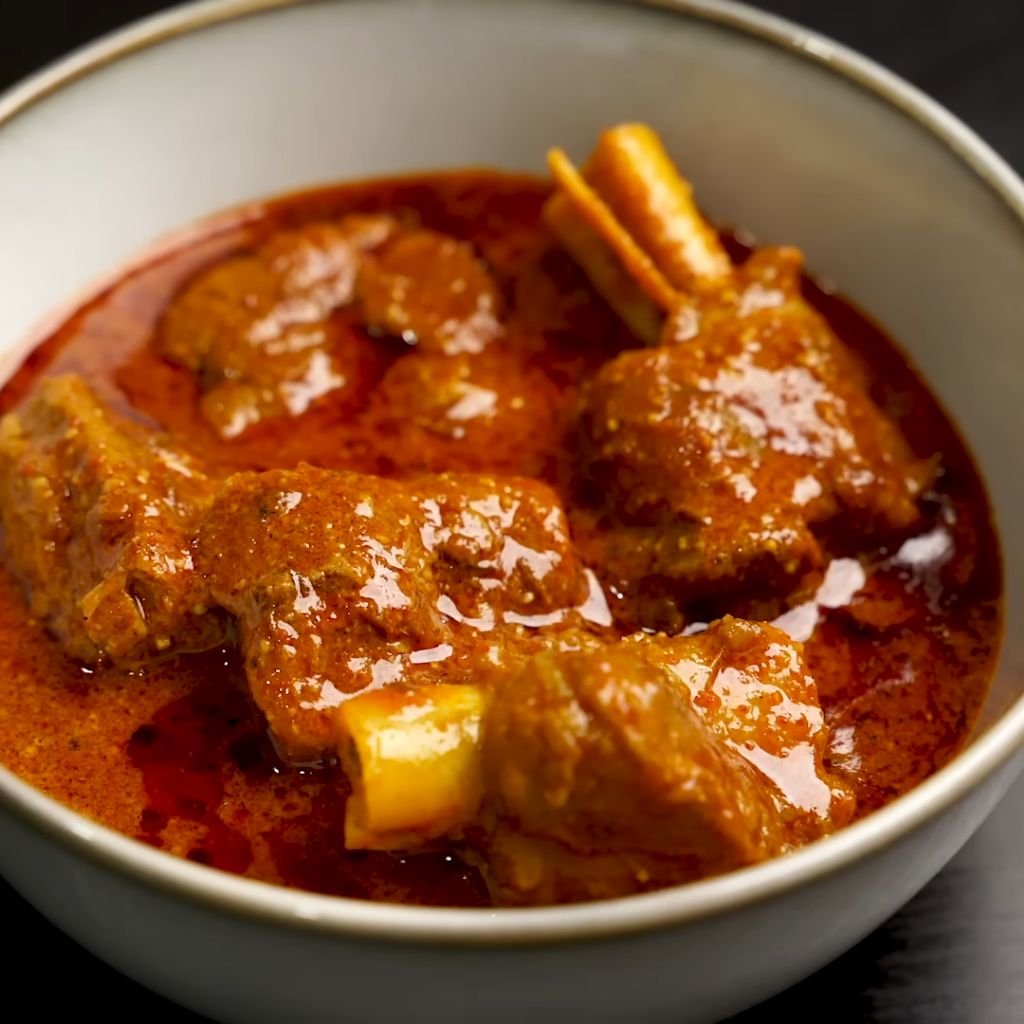
20. Lamb Rogan Josh
Prep Time: 20 minutes | Cook Time: 75 minutes | Serves: 4
Lamb Rogan Josh is a slow-cooked Kashmiri lamb curry with a deep red color and intensely aromatic flavor. Made with a blend of whole spices, dried chilies, and slow-braised lamb, this is a dish that rewards patience. The rich, thick sauce clings to every piece of tender lamb in the most incredible way.
Ingredients
- 1 kg bone-in lamb pieces
- 4 tbsp oil or ghee
- 2 large onions, thinly sliced
- 1 cup yogurt, beaten
- 2 tsp ginger paste
- 2 tsp garlic paste
- 2 tsp Kashmiri red chili powder
- 1 tsp coriander powder
- 1/2 tsp turmeric
- 1 tsp garam masala
- 1/2 tsp fennel powder
- 1/2 tsp dry ginger powder
Whole Spices:
- 4 green cardamoms
- 2 black cardamoms
- 4 cloves
- 1 cinnamon stick
- 2 bay leaves
- 1/2 tsp cumin seeds
Salt to taste and fresh cilantro for garnish.
Instructions
Heat ghee or oil in a large heavy pot over medium-high heat. Add all the whole spices — green and black cardamoms, cloves, cinnamon stick, bay leaves, and cumin seeds. Let them sizzle in the hot oil for 1 minute until you can smell the warm, aromatic release of the spices.
Add the sliced onions. Cook on medium heat for 15 to 18 minutes, stirring regularly, until they are very deeply golden and crispy at the edges. These deeply fried onions create the thick, rich base characteristic of Rogan Josh.
Add ginger paste and garlic paste. Fry for 3 minutes. Now add the lamb pieces directly into the hot pot. Increase the heat to medium-high. Brown the lamb on all sides for about 10 minutes. This browning step develops deep, meaty flavors — do not skip it.
Lower the heat to medium. Add Kashmiri red chili powder, coriander powder, turmeric, fennel powder, and dry ginger powder. Stir all the spices into the oil and lamb for 3 minutes.
Gradually add the beaten yogurt to the pot, one tablespoon at a time, stirring continuously after each addition. Adding yogurt too quickly can cause it to curdle. Once all the yogurt is added, stir well and cook for 5 to 7 minutes until the yogurt has dried up and blended into the masala.
Add 1.5 cups of water and salt. Stir well. Bring to a boil, then cover the pot tightly and reduce heat to the lowest setting. Simmer the lamb for 50 to 60 minutes, stirring every 15 minutes. Add more water if needed during cooking. The lamb is ready when it is very tender and pulls easily from the bone.
Remove the lid, add garam masala, and stir. Cook uncovered for 5 to 10 minutes to thicken the sauce. The final sauce should be thick and deep red with visible oil on the surface.
Garnish with fresh cilantro and serve hot.
Serving Suggestions
Lamb Rogan Josh is traditionally served with steamed basmati rice or tandoori roti. Serve with a side of cool raita to balance the rich spices.
Tips
- Kashmiri red chili powder gives the signature deep red color without excessive heat — regular chili powder will make the dish too spicy.
- Slow cooking on very low heat is what tenderizes the lamb perfectly.
- Adding yogurt gradually and stirring continuously prevents curdling.
21. Tandoori Chicken
Prep Time: 20 minutes (plus marinating) | Cook Time: 30 minutes | Serves: 4
Tandoori Chicken is iconic — juicy chicken pieces marinated in a spiced yogurt mixture and cooked at high heat until charred and smoky on the outside and tender inside. Traditionally made in a clay tandoor oven, you can get excellent results in a regular oven or on a grill. Bold spices, brilliant color, unforgettable flavor.
Ingredients
- 1 kg chicken, bone-in pieces (legs and thighs work best)
- Juice of 1 lemon
- 1 tsp salt (for first marinade)
Second Marinade:
- 1 cup thick yogurt (hung yogurt or Greek yogurt)
- 2 tsp ginger-garlic paste
- 1.5 tsp Kashmiri red chili powder
- 1 tsp cumin powder
- 1 tsp coriander powder
- 1/2 tsp garam masala
- 1/2 tsp turmeric
- 1 tbsp oil
- Salt to taste
- Red food coloring (optional)
Instructions
Make deep cuts into each chicken piece — 2 to 3 cuts per piece going all the way to the bone. These cuts allow the marinade to penetrate deep into the meat and ensure thorough cooking. Rub the chicken with lemon juice and 1 teaspoon of salt. Set aside for 20 minutes. This first marinade starts to break down the surface protein and seasons the meat.
Combine all the second marinade ingredients in a large bowl. Mix well into a smooth, vibrant paste. Add the chicken pieces into the marinade. Work the marinade deep into all the cuts you made earlier. Every surface and crevice should be well covered. Cover the bowl and refrigerate for a minimum of 6 hours. Overnight marination gives the best results — the longer the chicken sits, the juicier and more flavorful it becomes.
When ready to cook, preheat your oven to the highest setting — ideally 450°F (230°C) or higher. If you have a broiler, use it. Line a baking tray with aluminum foil and place a wire rack over it. Arrange the marinated chicken pieces on the wire rack so heat circulates all around them.
Brush the top of each piece with a little oil. Place the tray in the upper part of the oven. Cook for 15 minutes. Pull the tray out, turn each piece over, brush with oil again, and return to the oven. Cook for another 12 to 15 minutes. Switch to the broiler setting for the last 3 to 4 minutes to get char marks on the surface.
The chicken is fully cooked when the juices run clear when you pierce a thick piece with a knife, and the internal temperature reaches 165°F (74°C). The outside should be dark, slightly charred, and fragrant.
Remove from the oven and let rest for 5 minutes before serving.
Serving Suggestions
Serve Tandoori Chicken on a platter lined with sliced onions, lemon wedges, and green chutney. Mint chutney and warm naan are classic accompaniments.
Tips
- Hung yogurt (strained yogurt) sticks to the chicken better during cooking than regular thin yogurt.
- Deep cuts are essential — they allow the marinade to reach the inside of the chicken.
- The oven must be at the highest temperature to properly char the outside while keeping the inside juicy.
22. Mixed Vegetable Curry
Prep Time: 15 minutes | Cook Time: 30 minutes | Serves: 4
Mixed Vegetable Curry is a colorful, nutritious, and endlessly flexible dish that uses whatever vegetables you have on hand. Potatoes, carrots, beans, peas, cauliflower, and corn all work wonderfully together in a mildly spiced, creamy tomato sauce. Great for clearing out the refrigerator and making something genuinely delicious in the process.
Ingredients
- 3 cups mixed vegetables (potato, carrot, beans, peas, cauliflower — any combination)
- 2 tbsp oil
- 1 large onion, chopped
- 1.5 tsp ginger-garlic paste
- 3 medium tomatoes, pureed
- 1 tsp red chili powder
- 1 tsp coriander powder
- 1/2 tsp turmeric
- 1/2 tsp garam masala
- 1/4 cup cream or coconut milk (optional)
- Salt to taste
- Fresh cilantro for garnish
Instructions
Heat oil in a large pan over medium heat. Add the chopped onions and cook for 8 minutes until soft and lightly golden. Add ginger-garlic paste and fry for 2 minutes. Add the tomato puree and cook on medium heat for 8 to 10 minutes until oil separates from the sauce.
Add red chili powder, coriander powder, and turmeric. Stir the spices in and cook for 2 minutes. Add harder vegetables first — potatoes and carrots. Stir them into the masala. Add 3/4 cup of water, cover the pan, and cook on medium heat for 10 minutes.
Once the harder vegetables are partially cooked, add the remaining vegetables — cauliflower, beans, and peas. Stir everything together. Cover and cook for another 8 to 10 minutes until all the vegetables are tender but not mushy. Check by pressing a potato piece — it should give way easily.
Add salt and stir. Pour in the cream or coconut milk for a richer sauce. Add garam masala and stir. Cook uncovered for 5 more minutes to thicken the sauce slightly.
Taste and adjust salt. Garnish with cilantro and serve hot.
Serving Suggestions
Mixed Vegetable Curry works beautifully with roti, paratha, or rice. Add a side of plain yogurt or raita for a complete meal.
Tips
- Add vegetables in stages based on their cooking time — hard vegetables first, soft ones later.
- Coconut milk instead of cream gives a South Indian character to the dish.
- A squeeze of lemon juice added before serving brightens the whole dish.
23. Sambar with Rice
Prep Time: 15 minutes | Cook Time: 35 minutes | Serves: 4
Sambar is a South Indian lentil and vegetable soup-stew that is eaten daily across Tamil Nadu, Karnataka, Kerala, and Andhra Pradesh. Made with toor dal (split pigeon peas), tamarind, tomatoes, and a special sambar powder blend, it is tangy, hearty, and deeply nutritious. Paired with steamed rice, it makes one of the most complete and wholesome of all delicious Indian dinner recipes.
Ingredients
- 1 cup toor dal (split pigeon peas)
- 2 cups mixed vegetables (drumstick, eggplant, pearl onions, carrot, tomato)
- 2 tbsp oil
- 1 tsp mustard seeds
- 1/2 tsp cumin seeds
- 10 to 12 curry leaves
- 2 dry red chilies
- 1 medium tomato, chopped
- 2 tbsp sambar powder
- 2 tbsp tamarind paste (or a small ball of tamarind soaked in water)
- 1/2 tsp turmeric
- Salt to taste
- Fresh cilantro for garnish
Instructions
Rinse the toor dal thoroughly. Place it in a pot with 2.5 cups of water and a pinch of turmeric. Boil until the dal is completely soft and mashable — about 25 to 30 minutes in a regular pot, or 10 to 12 minutes in a pressure cooker. Use a whisk or the back of a spoon to mash the cooked dal into a smooth, creamy consistency. Set aside.
In a large pot, heat 1 tablespoon of oil over medium heat. Add the vegetables (except tomato) and stir fry for 3 to 4 minutes. Add 2 cups of water and the tamarind paste. Bring to a boil, then reduce heat and cook the vegetables for 10 to 12 minutes until almost tender. Add the chopped tomato and sambar powder. Stir and cook for 5 more minutes.
Pour the mashed dal into the vegetable and tamarind broth. Stir everything together. Add more water if needed to reach a medium, pourable consistency. Add salt and bring everything to a boil. Reduce heat and simmer for 8 to 10 minutes so all the flavors combine.
For the tempering (tadka), heat the remaining oil in a small pan. Add mustard seeds. Once they pop, add cumin seeds, dry red chilies, and curry leaves. Let them crackle for 30 seconds in the hot oil. Immediately pour this hot tempering over the sambar. Stir gently.
Garnish with cilantro and serve hot immediately.
Serving Suggestions
Serve Sambar over steamed rice with a side of papad, pickle, and a drizzle of ghee over the rice. Idli, dosa, and vada are also classic accompaniments.
Tips
- Drumstick (moringa) is the most traditional sambar vegetable and adds a distinctive flavor.
- The tempering (tadka) poured at the end is what gives sambar its characteristic aroma — do not skip it.
- Adjust the amount of tamarind based on how tangy you like it.
24. Lemon Rice
Prep Time: 5 minutes | Cook Time: 15 minutes | Serves: 4
Lemon Rice is a bright, tangy South Indian rice dish made by seasoning cooked rice with lemon juice, mustard seeds, curry leaves, and turmeric. It is quick to make, uses leftover rice brilliantly, and is packed with fresh flavor. Light, vibrant, and completely refreshing.
Ingredients
- 3 cups cooked basmati or long-grain rice (preferably a day old or cooled completely)
- 3 tbsp oil
- 1 tsp mustard seeds
- 1/2 tsp cumin seeds
- 1 tsp chana dal (split chickpeas)
- 1 tsp urad dal
- 8 to 10 curry leaves
- 2 dry red chilies
- 1 to 2 green chilies, slit
- 1/2 tsp turmeric
- 3 tbsp fresh lemon juice
- Salt to taste
- Fresh cilantro for garnish
- 2 tbsp roasted peanuts (optional)
Instructions
Make sure the cooked rice is completely cooled and the grains are separated. Using warm or fresh-cooked rice will make the dish clump together. Spread the rice on a plate and use your fingers or a fork to gently break up any clumps before you start cooking.
Heat oil in a large, wide pan or wok over medium heat. Add the chana dal and urad dal. Fry, stirring continuously, for about 1 minute until they turn light golden — watch carefully, they burn quickly. Add the mustard seeds and let them pop. Add cumin seeds and let them crackle.
Add the dry red chilies and green chilies. Fry for 30 seconds. Add the curry leaves — they will sizzle loudly in the hot oil. Stir for another 30 seconds. Add the roasted peanuts if using and stir for 1 minute.
Reduce heat to low. Add turmeric to the oil and stir for 15 seconds — it will bloom and color the oil a bright yellow.
Add all the cooled rice to the pan. Gently toss and fold the rice into the tempered oil mixture using a spatula. Work carefully — fold rather than stir to avoid breaking the grains. Make sure every grain of rice gets an even coating of the yellow turmeric oil and the tempered spices are distributed throughout.
Turn off the heat. Add the fresh lemon juice and salt. Toss gently once more. The lemon juice should go in after the heat is off to preserve its bright, fresh flavor — cooking lemon juice makes it bitter.
Taste and adjust lemon juice and salt as needed. Garnish with fresh cilantro.
Serving Suggestions
Lemon Rice is great on its own with papad and pickle. It also pairs well with raita or a simple vegetable curry. It is also a popular packed lunch or picnic food.
Tips
- Use day-old cooked rice — freshly cooked warm rice becomes mushy when tossed.
- Add lemon juice after turning off the heat to keep the flavor fresh and bright.
- Roasted peanuts add a wonderful crunch and are a classic addition.
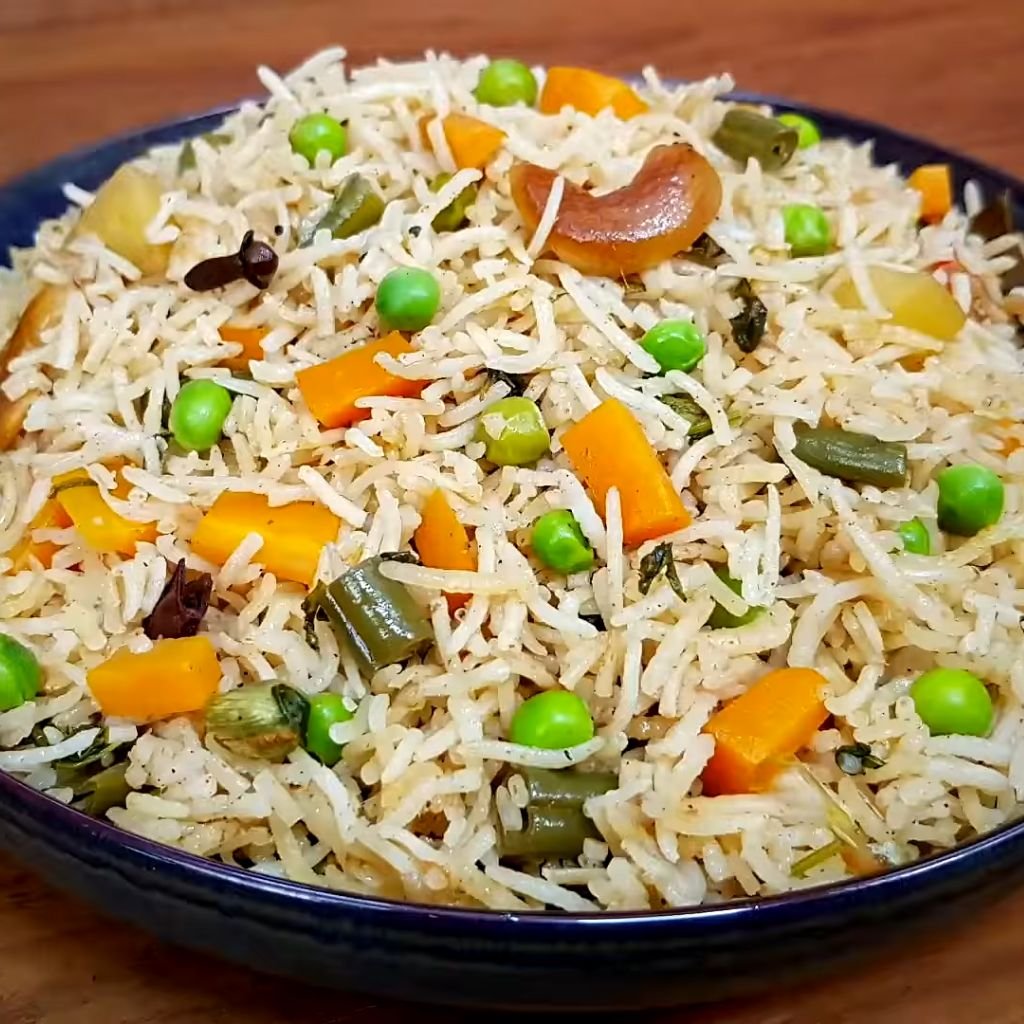
25. Vegetable Pulao
Prep Time: 15 minutes | Cook Time: 30 minutes | Serves: 4
Vegetable Pulao is a fragrant, mildly spiced rice dish cooked with mixed vegetables and whole spices. Unlike biryani, it is simpler and quicker but just as aromatic and satisfying. It is a one-pot meal that works perfectly for weeknight dinners and is a great way to eat more vegetables without any fuss.
Ingredients
- 2 cups basmati rice, soaked for 20 minutes
- 2 cups mixed vegetables (peas, carrot, beans, corn)
- 3 tbsp ghee or oil
- 1 large onion, thinly sliced
- 1.5 tsp ginger-garlic paste
- 1 tsp cumin seeds
- 2 bay leaves
- 4 green cardamom pods
- 4 cloves
- 1 small cinnamon stick
- 1/2 tsp turmeric
- 1/2 tsp garam masala
- Salt to taste
- 3.5 cups water or vegetable broth
- Fresh cilantro and mint for garnish
- Fried onions for topping (optional)
Instructions
Drain the soaked basmati rice and set it aside. Soaking reduces starch and helps each grain cook up long and fluffy rather than sticky.
Heat ghee or oil in a medium to large heavy-bottomed pot over medium heat. Add the cumin seeds and let them crackle for 30 seconds. Add the bay leaves, cardamom pods, cloves, and cinnamon stick. Fry the whole spices for 1 minute, stirring, until they are aromatic.
Add the sliced onions. Cook on medium heat for 10 to 12 minutes, stirring often, until they are golden and soft. Add ginger-garlic paste and fry for 2 minutes.
Add all the mixed vegetables to the pot. Stir them into the onion and spice mixture. Add turmeric and salt. Toss well and cook for 3 to 4 minutes so the vegetables absorb the flavors from the ghee and spices.
Add the drained rice. Gently stir the rice into the vegetables — try not to break the grains. Fry the rice along with the vegetables and spices for 2 to 3 minutes. This toasting step helps keep the grains from sticking together during cooking.
Add 3.5 cups of water or vegetable broth. Stir once gently. Bring to a full boil over high heat. Once it boils, reduce heat to the absolute lowest setting. Cover the pot tightly and cook for 15 minutes without lifting the lid.
After 15 minutes, turn off the heat and leave the pot covered for 10 more minutes. This resting time is just as important as the cooking time — the residual steam finishes cooking the rice and creates fluffy, separate grains.
Open the lid and fluff the pulao gently with a fork. Add garam masala and toss lightly. Taste and adjust salt.
Garnish with fresh cilantro, mint leaves, and optional fried onions. Serve hot.
Serving Suggestions
Vegetable Pulao is excellent with raita, papad, and a simple pickle. It is also great alongside a bowl of dal or a light yogurt curry.
Tips
- Do not lift the lid during the 15-minute cooking phase — releasing the steam leads to unevenly cooked rice.
- Using vegetable broth instead of water adds a deeper flavor to the pulao.
- Ghee gives a significantly more aromatic and flavorful result than regular oil.
Best Side Dishes to Serve with Indian Dinner Recipes
A great Indian dinner is made even better with the right side dishes. Here are the classic accompaniments that every Indian dinner table should have:
1. Naan — Soft, fluffy leavened flatbread baked in a tandoor. Naan is perfect for scooping up rich curries like Butter Chicken and Dal Makhani. It is slightly chewy with a beautiful soft interior and lightly charred surface.
2. Roti — A simple everyday whole wheat flatbread cooked on a flat griddle (tawa). Roti is lighter than naan and healthier too. It pairs with any curry or dry vegetable dish and is a daily staple in millions of Indian homes.
3. Paratha — A layered, pan-fried flatbread made with whole wheat flour. It can be plain or stuffed with spiced potatoes, paneer, or cauliflower. Paratha is more filling than roti and is wonderful for a hearty dinner.
4. Raita — A cooling yogurt-based condiment mixed with grated cucumber, onions, tomatoes, or roasted cumin. Raita balances the heat of spicy dishes and adds a refreshing contrast. It is a must-have with biryanis.
5. Papad — Thin, crispy wafer-like crackers made from lentil flour. They can be roasted or fried and add a satisfying crunch to any Indian meal. Eat them on the side or crush and sprinkle over dal and rice.
6. Pickles (Achaar) — Spiced, tangy Indian pickles made from mango, lemon, or mixed vegetables. Just a small spoonful of pickle adds a punch of flavor and brightness to any plate. An essential part of the Indian table.
7. Salad Options — A fresh Indian salad of sliced cucumber, tomatoes, and onions tossed with lemon juice, salt, and chili adds crunch and freshness. Kachumber salad is a classic version that complements heavy and spiced dishes beautifully.
Conclusion
This collection of 25 delicious Indian dinner recipes covers a wide range of flavors, cooking styles, and ingredients. From the creamy, beloved Butter Chicken and Dal Makhani to the bold and earthy Chole Masala and Baingan Bharta, there is a dish here for every mood and every occasion. The recipes range from quick weeknight meals like Aloo Gobi, Jeera Rice, and Egg Curry to more elaborate celebrations dishes like Hyderabadi Chicken Biryani, Lamb Rogan Josh, and Malai Kofta.
Indian cooking may seem like a lot to take in at first, but it is actually quite the opposite. With a basic pantry of spices and a few key techniques, you can create incredible restaurant-quality meals right in your own kitchen. Each recipe in this collection has been written with clear, step-by-step instructions so you can follow along with confidence — even on your very first attempt.
Try starting with the simpler dishes like Paneer Butter Masala, Chicken Curry, or Matar Paneer before moving on to the more layered dishes. As you cook more Indian food, you will start to recognize the flavor patterns and common techniques, making every new recipe feel more familiar and approachable.
The real joy of cooking Indian food at home is the freedom to adjust spice levels to your liking, use seasonal vegetables, and share these warm, comforting meals with the people you love. Every dish tells a story — of regions, traditions, and flavors passed down through generations. These delicious Indian dinner recipes are your invitation to bring those stories into your own home, one meal at a time.